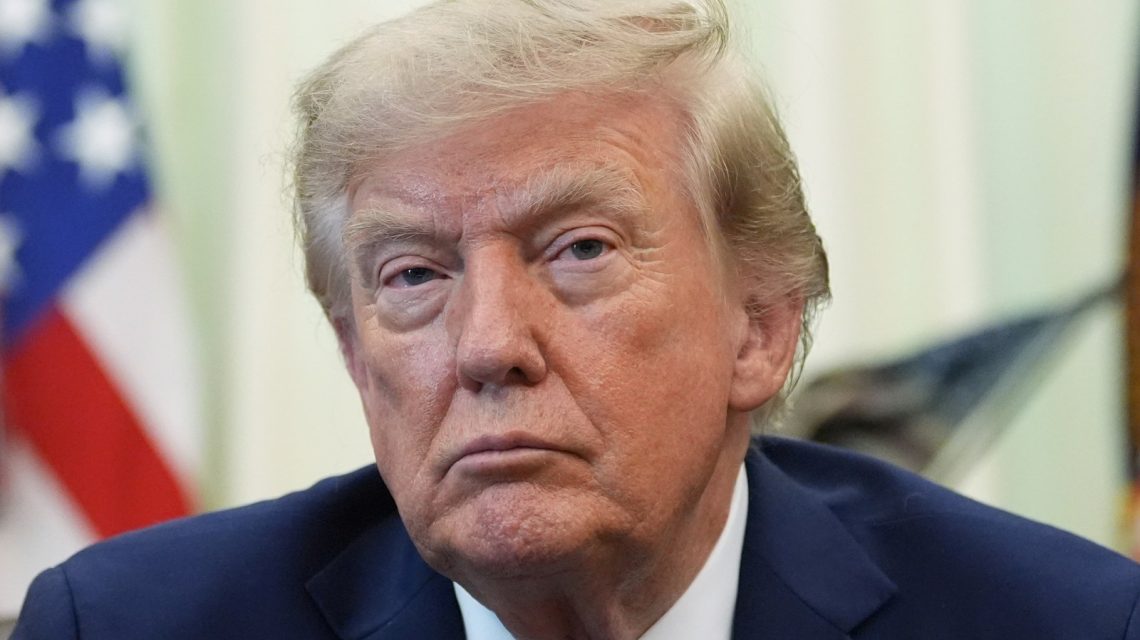
Background of the Lawsuit
President Donald Trump filed a $10 billion lawsuit against the BBC. The suit accuses the BBC’s documentary of defamation and violating Florida’s law against unfair trade practices. The issue centers on the BBC’s editing of Trump’s January 6, 2021 speech in a 2024 documentary.
Possible Involvement of Trump’s Family
Legal experts suggest Trump’s family members could be involved in the lawsuit. Florida media and First Amendment lawyer Deanna Shullman notes relatives with knowledge of Trump’s alleged damages or the truth of the BBC’s portrayal might be required to provide information. They could be asked to present documents, such as correspondence with Trump and communications related to the case.
Judge’s Decision and the Amendment Request
U.S. District Judge Roy Altman has temporarily paused Trump’s obligation to disclose business records. The judge considers Trump’s request to modify his complaint, narrowing the focus to reputational harm alone. This proposed amendment is under seal.
Trump alleges damages caused by the documentary, claiming harm to his business and personal brand value, future financial prospects, and reputation. Due to these allegations, the BBC requested Trump’s financial records to verify damage claims.
Impact on Financial Records
The trial’s focus has shifted, with arguments stating the case now concentrates on reputational damage. Trump’s attorneys argue against broad demands by the BBC for financial evidence, aiming to prove no harm occurred. Magistrate Judge Enjoliqué Lett ruled in favor of the BBC in July, ordering Trump to produce financial records relevant to the case.
Trump’s team seeks to withdraw business damage claims, making financial records irrelevant. Trump’s attorney Alejandro Brito contends the case no longer pursues brand harm as part of damages.
Potential Legal Outcomes
Trump’s strategy success hinges on the judge’s acceptance of the amendment and its separation of reputational injury from business interests. Shullman suggests Trump could avoid financial discovery by focusing on mental or emotional distress damages.
If Trump’s amended complaint ties personal reputation to business value, financial evidence could still be deemed relevant. Wasserman emphasizes the court’s decision to allow the amendment will influence potential damages claims.
Family Members as Witnesses
Regardless of financial records’ status, Trump’s relatives might provide essential information related to damages or the documentary’s portrayal accuracy. Shullman highlights family members’ potential role as witnesses with insights into Trump’s claimed damages or truth of the documentary content.
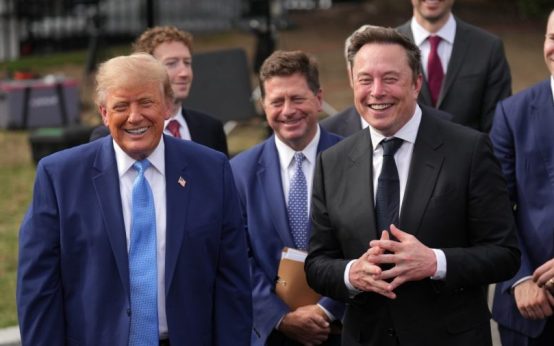 Trump’s 2024 Reelection and Evolving Voter Dynamics
  Defense Secretary Emerges as Key Player in the Trump Administration
  Hegseth’s Vision for the Military: Balancing Tradition and Innovation
 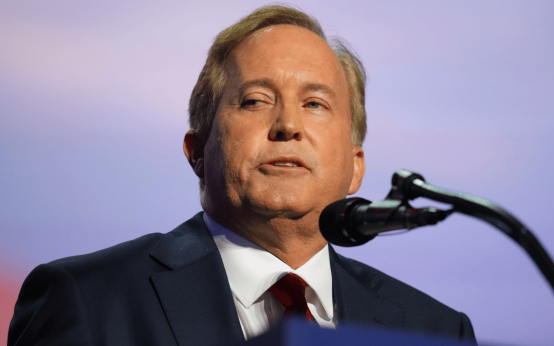 Significant Funding Boosts Ken Paxton’s Texas Senate Campaign Amid Tight Race
  U.S. States Extend Gas Tax Waivers Amid Rising Fuel Costs Due to Iran Conflict
  USCIS Raises Immigration Fees