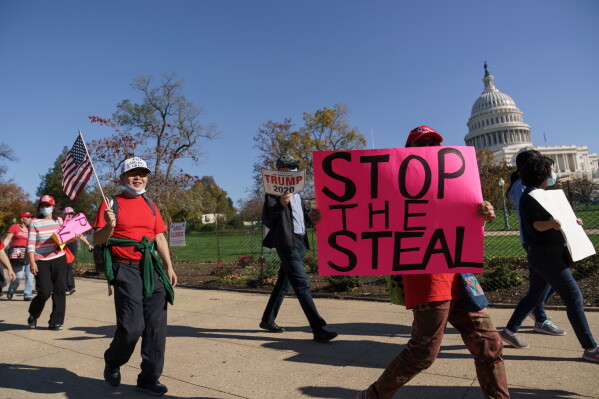
Trump’s Election Fraud Claims Resurface
Following the 2020 presidential election, top officials appointed by Donald Trump from the Department of Justice and intelligence agencies confirmed the election’s fairness and legitimacy. The absence of major fraud or foreign interference was a consistent finding. As Trump attempts to rewrite history during his second term, he plans to address the nation, potentially repeating these claims.
Trump has appointed allies who support his assertion that the election was stolen. These loyalists tend to avoid directly acknowledging Joe Biden’s victory, instead focusing on his achieving the most electoral votes. During confirmation hearings, nominees like Jay Clayton, proposed national intelligence director, often respond with terse acknowledgments, avoiding direct answers.
Trump’s conspiracy theories involving foreign interference in voting machines have resulted in libel suits against those repeating them. Ahead of Trump’s speech, he hinted at “really big news,” stressing the importance of free and fair elections.
Expert Concerns and Evidence
Election experts express concerns over the potential spread of falsehoods. Intelligence assessments and investigations have consistently found no foreign interference in 2020. Victoria Bassetti from States United emphasizes the lack of evidence supporting such claims.
A review process involves Trump and his allies challenging the results in court. Multiple audits, recounts, and investigations, including those led by Republicans, confirmed the election’s integrity. Authorities like Trump’s former Attorney General Barr and Chris Krebs, who oversaw cyberattack monitoring, corroborated these findings. Despite this, Trump continues to push for reviews and investigations.
Taxpayer Resources and Legal Implications
Since returning to office, Trump initiated a review of the 2020 election, seizing records in key counties like Maricopa, Arizona, and Fulton County, Georgia. Lawyer Kurt Olsen, involved in election conspiracy theories, leads this probe. Despite substantial investment, no fraudulent activity has been uncovered.
Legal cases arising from conspiracy theories have led to settlements by media outlets accused of airing false claims. Voting machine companies have sued for libel, resulting in significant payouts. Prominent conspiracy theorists face legal challenges, often losing in court due to lack of evidence.
David Becker of the Center for Election Integrity & Research advocates for holding such claims to rigorous scrutiny. Allegations should meet the burden of proof, demanding credible evidence before response.
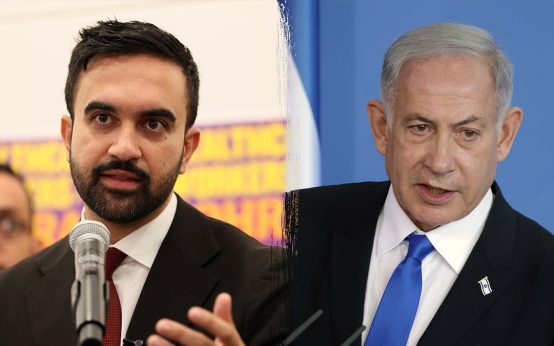 Mayor Mamdani Responds to Netanyahu’s United Nations Speech
 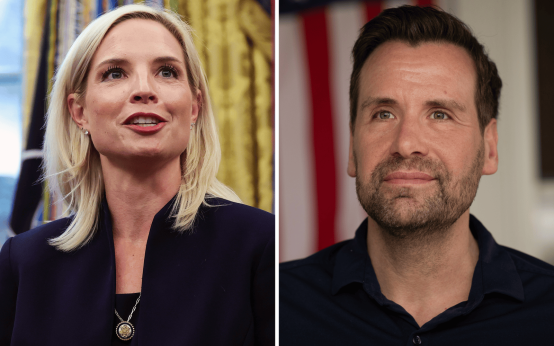 Iowa Senate Race: Attendance Records in Focus as Hinson and Turek Square Off
 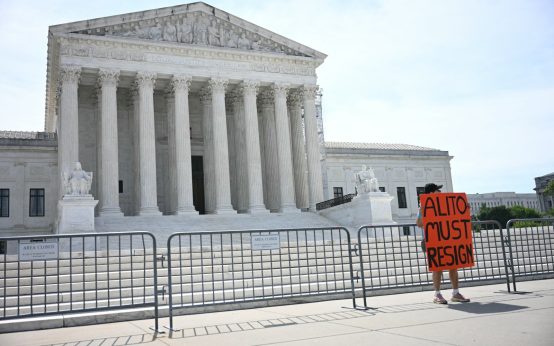 Justice Alito Discusses Supreme Court Decisions and Criticism
  Investigation Reopened in Allegations Against Education Board Candidate Hilario Dominguez
  Court Dismisses Case Against Noncitizen in Voting Charge
  Spending Trends in the Most Expensive Election Cycle