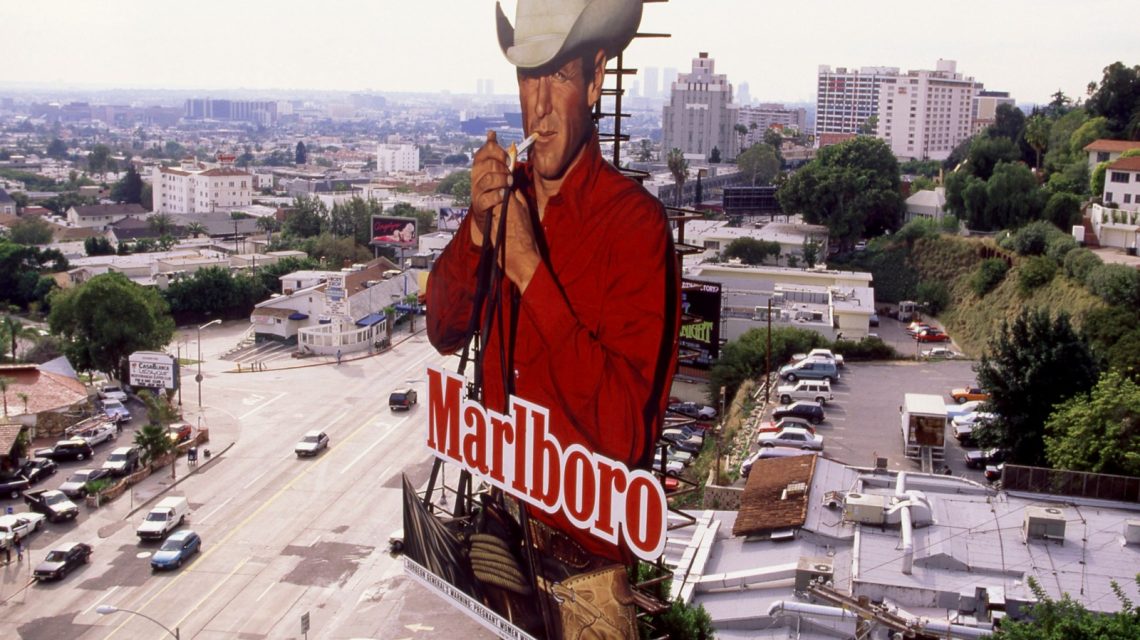
President Donald Trump is arriving at the Republican Party’s midterm convention in Dallas with a cowboy image. This portrayal represents a significant political risk—whether he can persuade his supporters to focus on his heroic persona rather than his actual presidency. The Republican Party is marketing $16 drink cozies with Trump depicted on horseback, wearing a white Stetson beneath ‘Dallas’ and graphics resembling Marlboro cigarette branding.
Trump urged supporters to treat the upcoming congressional elections as if his name were on the ballot, saying, ‘Pretend, please, that I’m on the ballot.’ The cowboy figure and this instruction illustrate Trump’s use of fantastical political imagery. Though memes may seem like digital kitsch, they serve a practical purpose by addressing the persistent challenge of turning a political promise into a tangible record.
From President to Character
Trump has consistently avoided traditional political imagery, even before entering the White House. His public persona was partly crafted through television, and his political career has expanded this approach. During Labor Day weekend, Trump shared memes depicting him as a superhero, a hockey player, and a military commander. Previously, he has been shown alongside historical figures or in religious and military roles.
What has changed is the purpose these images serve. A candidate can inspire voters with future possibilities. An incumbent must contend with what voters perceive as actual accomplishments. Trump now has a record of economic issues, tariffs, and foreign conflicts. This highlights the gap between his online persona and his administration’s challenges as the midterms approach.
These fantastical roles return Trump to a symbol hard to measure against economic metrics. The character of Trump offers a narrative of strength and dominance. As his record grows more complex, inviting supporters to engage with the ‘character’ provides a way to shift perspective from incumbent critique to aspirational vision.
The Incumbency Escape Hatch
Presidents often seek ways to avoid conventional midterm referendums. Historically, the president’s party loses House seats most of the time. Trump directly experienced such losses in 2018 when Democrats gained 41 House seats.
In 2026, Trump’s strategy has flipped the script. Instead of distancing congressional Republicans from himself, he is centralizing his role. He conceived the Dallas convention, participated in its orchestration, and plans to attend both nights. The cowboy imagery aligns perfectly with this tactic. Cowboys are judged by their swagger, while presidents face judgment on outcomes. Trump’s approach merges these identities, turning the midterm vote into an expression of loyalty to the political character rather than a straightforward evaluation of his presidency.
The Myth Has Limits
Spectacle has always been Trump’s tool to engage supporters emotionally. The Dallas convention follows the same pattern, aiming to make it resemble a Trump campaign. However, this strategy risks energizing both supporters and opponents. While symbolism may strengthen loyalty, it does not erase a governing record.
If voters perceive the election mainly as a judgment on the current president, Trump’s centralization might boost Republican enthusiasm. Yet, if undecided voters prioritize economic performance, the cowboy image may need to compete with Trump’s real presidency. The Marlboro Man sold an idea of the West; Trump’s challenge is whether the concept of a president can still resonate with voters who have lived with the real one.
 U.S. States Extend Gas Tax Waivers Amid Rising Fuel Costs Due to Iran Conflict
  USCIS Raises Immigration Fees
  The Surveillance Threat to U.S. Federal Agents
  Trump Administration Distributes ACA Refund Checks
 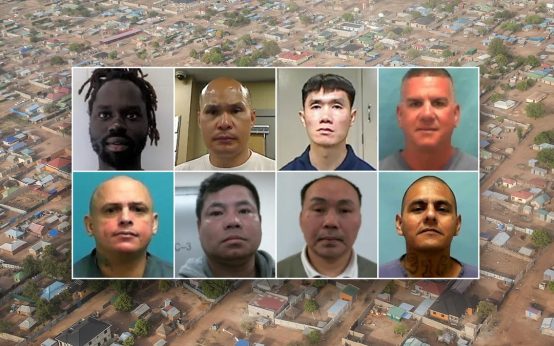 Trump Administration’s Approach to Illegal Alien Deportations
 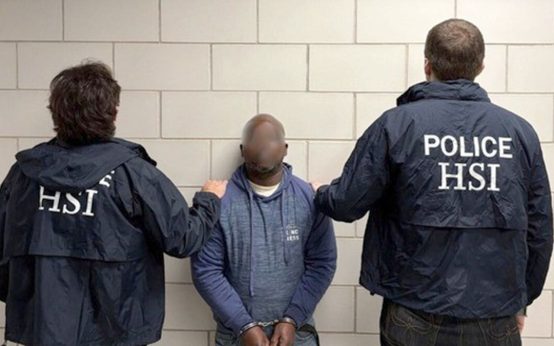 New Jersey Voter Fraud Prompts Renewed Push for SAVE Act