Trump’s Housing Strategy
President Donald Trump pledged to address America’s housing affordability crisis upon returning to the White House in January 2025. His plan included deregulation, new home construction, and mass deportations of undocumented immigrants to increase housing supply and reduce costs.
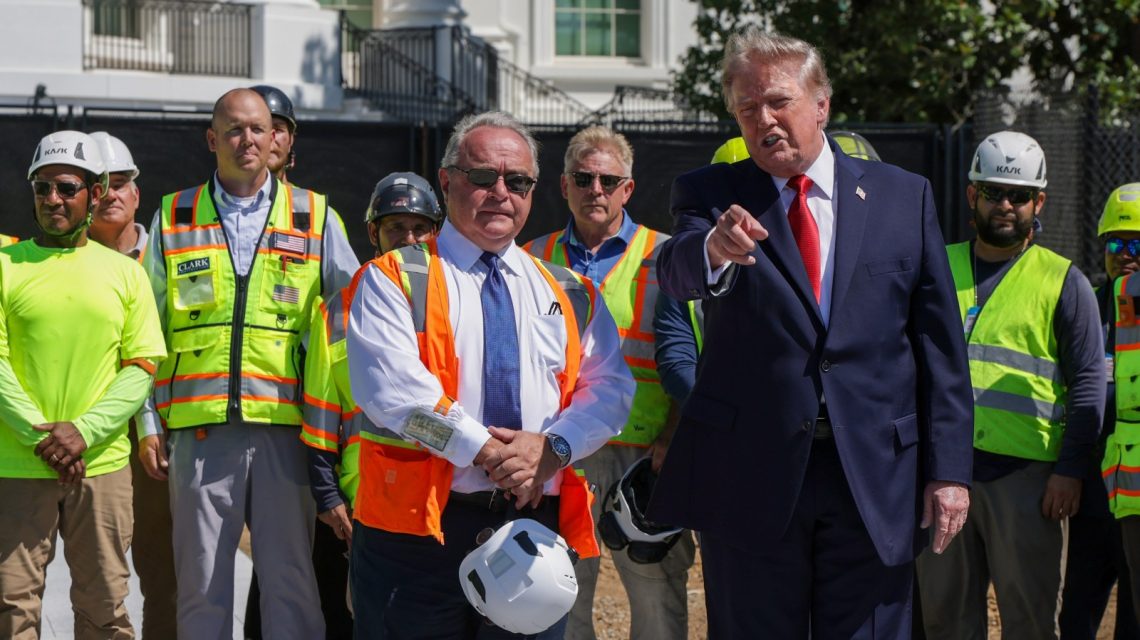
One year ago, Trump assured the public that his second administration would expand homeownership, despite challenges such as high home prices, mortgage rates, insurance premiums, and property taxes. “I’ve been a builder all my life,” he said during remarks at a HUD event on the National Mall on September 8, 2025. “Together, we can put millions more American families in a home of their very own.”
Results So Far
Twelve months into his term, the outcomes are mixed. The administration has taken steps in deregulation, immigration enforcement, and restrictions on institutional investors. However, these efforts have not yet led to a significant increase in home construction. The modest inventory growth appears to be driven more by weaker demand than new building.
Single-family housing starts are at their lowest in over three years. Newsweek reached out to the White House for comments.
State of the Housing Market at Trump’s Return
When Trump assumed office again, the housing market struggled with years of underbuilding, resulting in a shortage estimated between 2.8 million and 10 million units. Inventory was recovering from pandemic lows—especially in Florida and Texas—but remained below pre-pandemic levels in many areas.
Redfin data showed 1,400,188 active home listings in January 2025, which modestly increased to 1,473,056 by December. New listings decreased slightly, from 383,208 in January to 376,281 in December.
Census Bureau data noted little construction momentum: rates included 1.5 million permits, 1.4 million housing starts, and 1.6 million completions in January. Single-family starts fell 8.4% to 993,000. By year’s end, these figures had not changed considerably, with a slight increase in single-family starts to 981,000.
Inventory Changes Since Trump’s Return
The number of homes for sale increased modestly during Trump’s first year back but still lags in new housing supply. Inventory growth stems from homes taking longer to sell and more listings accumulating, partly due to elevated mortgage rates and buyers remaining cautious.
While prices have cooled in the South due to increased inventory, the Northeast and Midwest face ongoing shortages. As of July, Redfin reported 1,462,921 homes for sale nationwide—a 0.65% decrease from the previous year.
Census data reported 1.5 million permits and 1.2 million starts and completions in July. Single-family starts fell 9.9% to 808,000—the lowest in over three years.
Challenges Facing Builders
The construction declines reflect the paradox builders face—housing shortages alongside unsold homes forcing them to lower prices. Builders face elevated costs and affordability pressures compounded by high mortgage rates, rising material, gas, and diesel costs.
Bill Owens, NAHB Chairman, highlighted these challenges. The latest NAHB/Wells Fargo Housing Market Index showed builder confidence remains “muted” due to economic and geopolitical uncertainty.
Administration efforts have yet to deliver a meaningful housing supply expansion. Increased availability of existing homes does not equate to new construction growth.
Expectations Moving Forward
While mortgage rates dominate the housing debate, supply plays a crucial role in affordability. Homebuilders welcomed deregulatory measures but face financing, labor, and cost pressures limiting production. Weak buyer affordability may deter starting new projects.
Inventory increases may continue in parts of the South and West due to prolonged sales periods but may not resolve the national housing shortage. Nearly two years into Trump’s second term, modest inventory expansion is contrasted by subdued new construction, while the affordability crisis persists.
For inquiries, contact Newsweek editors Ben Kelly and Dave Siminoff.
 The Trump Team’s Challenge to the Military Leadership
  Maryland First State to Restrict Electronic Pricing in Grocery Stores
  Activists Push for Nationwide Ban on Child Marriage in the U.S.
  Democratic Hopes and Historical Warnings in 2026 Senate Race
  Republicans Face Challenges Amidst Cost of Living Concerns
  A Different Kind of Fall for Congress This Year