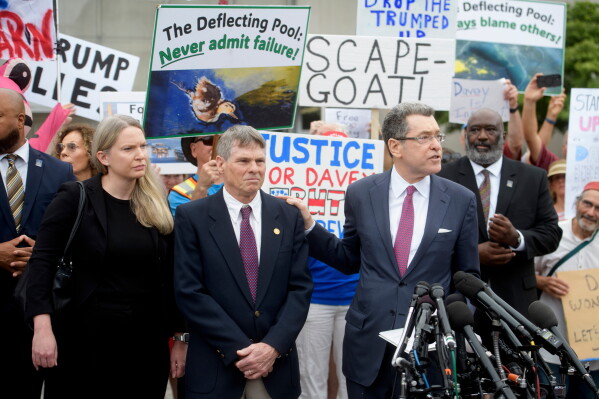
Jeanine Pirro encountered the challenge of balancing loyalty to President Donald Trump with loyalty to the truth. The U.S. Attorney for the District of Columbia, known as a staunch Trump supporter, acknowledged that damage to the Lincoln Memorial Reflecting Pool was due to poor construction, contrary to Trump’s claims of vandalism.
As Trump struggles to gain trust on issues like the economy and foreign policy ahead of crucial midterm elections, this situation highlights the difficulties his team faces in delivering uncomfortable truths. Trump has often been prone to exaggeration, but in this case, he wanted Olympic canoeist David Hearn indicted for vandalism that didn’t actually occur. The White House claimed Trump was uninformed about Pirro’s decision to drop the charges, leading to his displeasure.
Trump expressed his dissatisfaction with Pirro’s decision publicly, reinforcing that he expects his administration officials to align with his statements. Historian Douglas Brinkley noted, “He just blows it up like a keg of dynamite — it’s a form of intimidating employees to be in group-think.”
Some Republicans have attributed Trump’s decision-making to poor advice from his staff. His choices, such as initiating a war with Iran without sufficient public rationale and allowing a housing bill to pass unsigned, have drawn criticism. Senators like Ted Cruz and Thom Tillis have publicly suggested Trump receives “bad advice.” Julian Zelizer, a political history professor, remarked that the president is struggling with low approval ratings while under pressure from numerous controversies.
Despite promoting an economic boom, recent data show modest growth. Trump often reverts to boasting about the 2020 election and shares controversial social media posts. The White House has not detailed how Trump is briefed or if staff feel comfortable countering his public assertions.
Pirro, a former judge, previously aligned closely with Trump’s directives. Her office had even threatened Jerome Powell, then-Fed Chair, under the pretense of potential indictment to influence interest rate cuts. However, evidence did not support a criminal case, and the investigation ended without charges.
In the Reflecting Pool case, initial signs indicated preexisting damage unrelated to Hearn’s actions. Yet, political motives seemed to drive the indictment. Defense lawyers argued that the case lacked factual substance from the outset, urging the court to dismiss it permanently.
Acting Attorney General Todd Blanche praised Pirro’s crime reduction efforts but acknowledged cases do not always align with Trump’s wishes or those of the Justice Department. Pirro placed some blame on advisors for giving Trump poor advice.
The administration’s acknowledgment of inaccurate property damage claims marks a significant departure from previous denials. This stance was supported by a government move to dismiss the charges, citing contractor errors and time pressures ahead of the America 250 celebration as the true cause of damage.
Interior Secretary Doug Burgum, however, backed Trump’s vandalism claim, indicating ongoing internal disagreement. Kathleen Hall Jamieson, a communications professor, noted that when the administration admits error in court, it’s harder to dismiss as anti-Trump bias.
Associated Press writers Eric Tucker in Washington and Darlene Superville in Rancho Palos Verdes contributed to this report.
 Defense Secretary Emerges as Key Player in the Trump Administration
  Hegseth’s Vision for the Military: Balancing Tradition and Innovation
 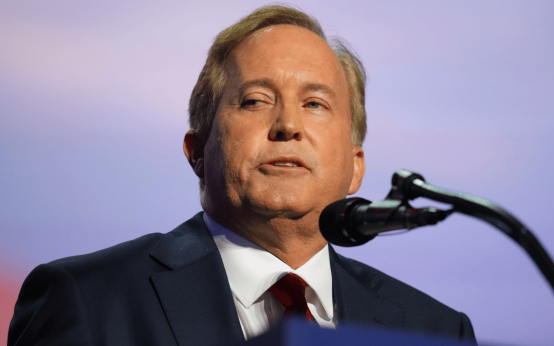 Significant Funding Boosts Ken Paxton’s Texas Senate Campaign Amid Tight Race
 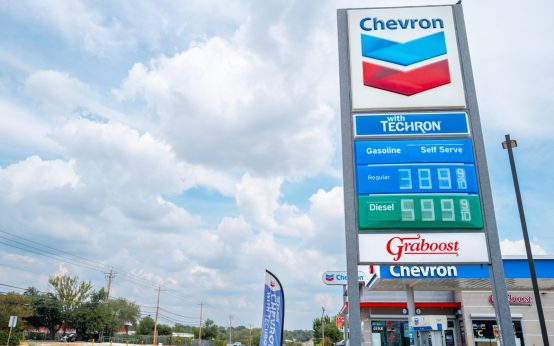 U.S. States Extend Gas Tax Waivers Amid Rising Fuel Costs Due to Iran Conflict
  USCIS Raises Immigration Fees
  The Surveillance Threat to U.S. Federal Agents