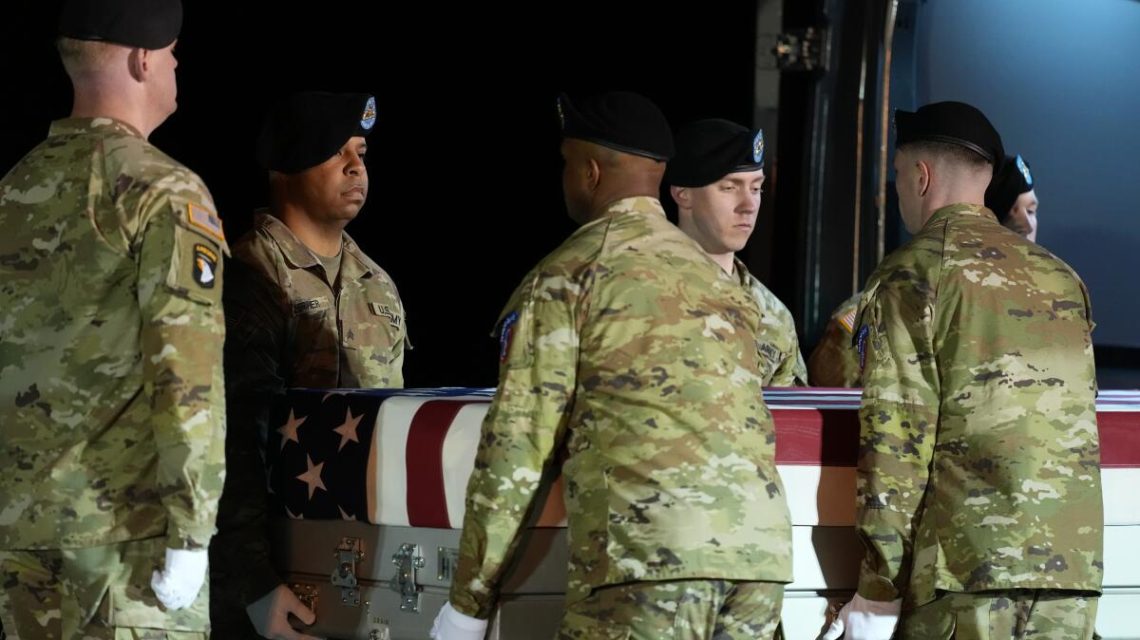
BEIRUT — President Trump has frequently criticized ongoing wars. Throughout his time as a president and a candidate, he targeted opponents and previous leaders, describing their involvement as wasteful and misguided. However, Trump now faces the prospect of a protracted war himself.
Initially, the U.S.-Israeli campaign against Iran was described by Trump and his administration as a short-lived effort. They claimed the conflict would be resolved within weeks. Yet, after 4½ months, the fighting continues without a foreseeable end.
Recently, the ceasefire between the U.S. and Iran crumbled. Both sides engaged in repeated strikes, resulting in casualties. Two U.S. servicemen died due to Iranian missile strikes in Jordan. Additionally, a service member was killed in Iraq while dismantling an Iranian drone. The latest fatalities bring the total number of American deaths in the Iran war to 17, with over 430 wounded.
“Trump thought wars in the Middle East would be like Venezuela: a big in-and-out without a prolonged war.” — Vali Nasr, Middle East expert
In Iran, U.S. attacks have led to the deaths of at least 57 individuals, with over 517 injured recently. The overall toll has surpassed 3,500 killed and over 27,000 injured since the conflict’s inception.
Despite military efforts, Iran has not relinquished its nuclear assets or missile capabilities. Tehran maintains support for regional militias and has used the blockade of the Strait of Hormuz as a strategic leverage.
Trump has suggested expanding bombardments to civilian infrastructure, hoping to pressure Iran into negotiations. The U.S. has increased military presence in the region with additional troops and aircraft. However, experts like Andreas Boehm criticize the strategy, noting that tactical strikes have not led to strategic progress.
Vali Nasr warns of reciprocal actions from Iran, which could close Bab al Mandab or increase attacks on Gulf infrastructure, impacting global markets.
Historically, American presidents have underestimated foreign engagements. The U.S. fought protracted wars in Vietnam, Afghanistan, and Iraq. If Trump involves ground troops, Iran poses a similar challenge, given its large land area and well-equipped adversaries.
The escalation raises political concerns for Trump. Former supporters, including conservative figures, have expressed disapproval over the war. Political allies fear repercussions in upcoming elections.
Negotiation prospects remain uncertain. The Obama-era agreement took considerable diplomatic effort, whereas Trump’s approach involves unconventional negotiators and diminished diplomatic resources.
Iran’s reluctance to engage in dialogue with Trump stems from past actions, including withdrawal from the nuclear deal and the assassination of a key general. Even with recent memoranda, repeated violations suggest continued conflict.
“Once you’ve proven that diplomacy doesn’t work, then there’s only war.” — Ali Vaez, International Crisis Group
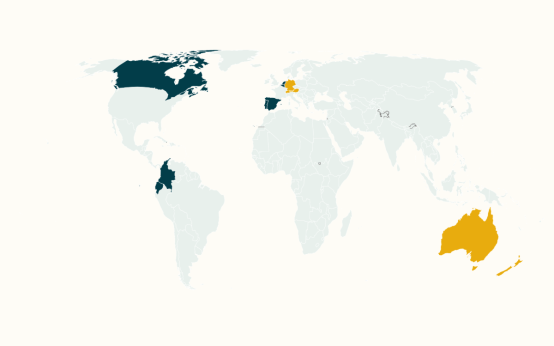 Dutch Review Board’s Euthanasia Ruling and International Debate
 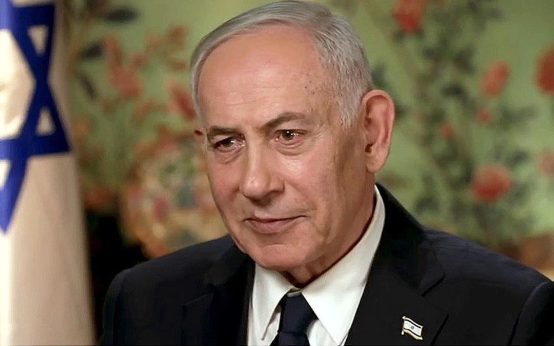 Israeli PM Commends Heroic Actions in Flight Emergency
 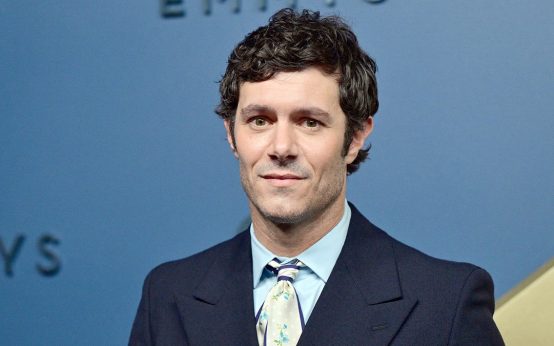 Rabbi and Jewish Leaders Criticize Adam Brody for ‘Genocide’ Comment
  Flydubai’s Emergency Landing Highlights Cockpit Security
 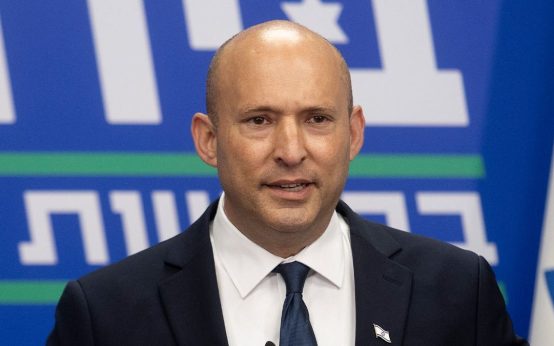 Former Israeli PM Naftali Bennett Commends Passengers and Crew for In-Flight Heroism
 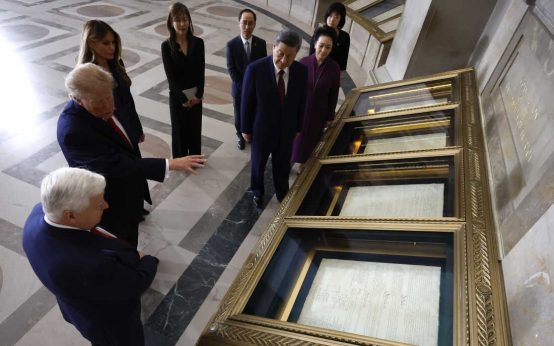 Diplomatic Complexities Unfold at U.S. National Archives Visit