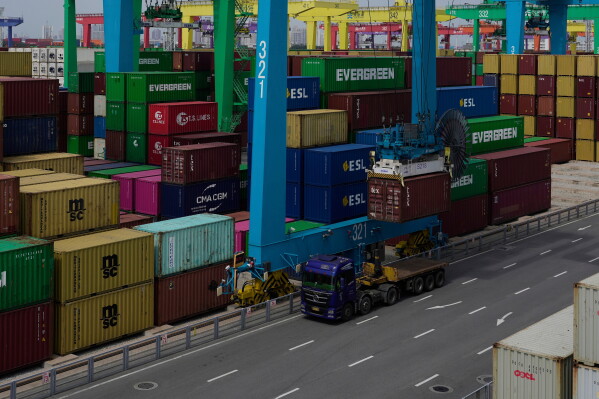
President Donald Trump has initiated a significant expansion of tariffs. New levies ranging from 10% to 12.5% will apply to imports from 60 countries, accused of insufficiently banning products made through forced labor. These tariffs apply to 99% of goods imported into the U.S.
Jamieson Greer, U.S. Trade Representative, emphasized the long-standing U.S. stance against forced labor imports. He expects international trading partners to align with this policy. The tariffs come into effect as previous temporary 10% global tariffs expire.
The tariffs arise from the use of Section 301 of the Trade Act of 1974, allowing the President to address unfair trade practices.
Previously, the Supreme Court invalidated broader tariff policies using the International Emergency Economic Powers Act (IEEPA), which had justified high tariffs by labeling the trade deficit a national emergency. After this ruling, temporary tariffs under Section 122 were imposed, but these had a 150-day limit ending on Friday.
An investigation is underway to examine 16 more countries for potentially excessive production that undercuts U.S. businesses. If proven, further tariffs could follow. This policy shift marks a departure from decades of promoting lower tariffs and freer trade.
Certain exemptions apply, such as oil, gas, and fertilizers, and goods qualifying under the United States-Mexico-Canada Agreement (USMCA).
International Reactions and Criticisms
Richard Neal, a high-ranking Democrat, criticized the justification for these tariffs. He called it a convenient pretext lacking serious commitment to combat forced labor in supply chains. Both Brazil and Chile have criticized the tariffs, labeling the measures as unjustified.
Brazil threatens retaliatory tariffs and considers a complaint at the World Trade Organization.
Human rights analysts question the rationale behind the tariffs. Martina Vandenberg from The Human Trafficking Legal Center sees import bans as potentially effective tools against forced labor.
The International Labour Organization (ILO) estimates 27.6 million people engaged in forced labor globally in 2021.
Gradual Implementation and Further Actions
Vandenberg advocates for a gradual tariff implementation, allowing countries time to establish meaningful bans. The danger lies in creating unenforced legislation, she argues.
Dominic LeBlanc, Canada’s Trade Minister, acknowledges the decision’s predictability. Canada aims to collaborate with the U.S. to secure labor standards in supply chains.
Kenya Davis, attorney at Boies Schiller Flexner, highlights the Uyghur Forced Labor Prevention Act as previous significant U.S. legislation against forced labor.
Isabelle Glimcher of NYU Stern Center for Human Rights notes that tariffs have motivated some countries, like India, to improve trade policies. The European Union’s incoming regulations on forced labor are also seen as a contributing factor.
There are reservations about the tariffs’ focus on imports rather than domestic production. Overall, the imminent tariffs have sparked policy changes across countries.
 Defense Secretary Emerges as Key Player in the Trump Administration
 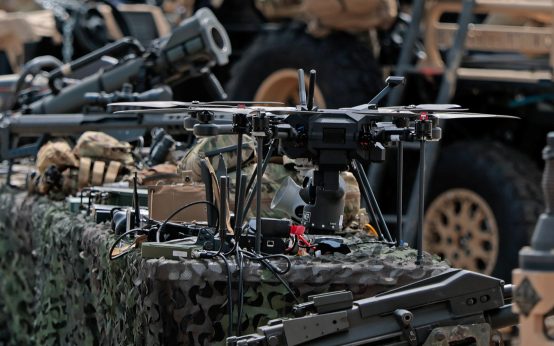 Hegseth’s Vision for the Military: Balancing Tradition and Innovation
 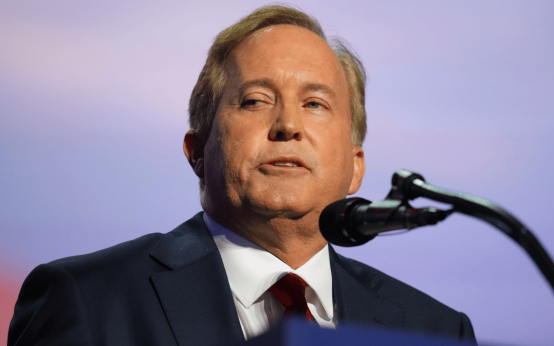 Significant Funding Boosts Ken Paxton’s Texas Senate Campaign Amid Tight Race
 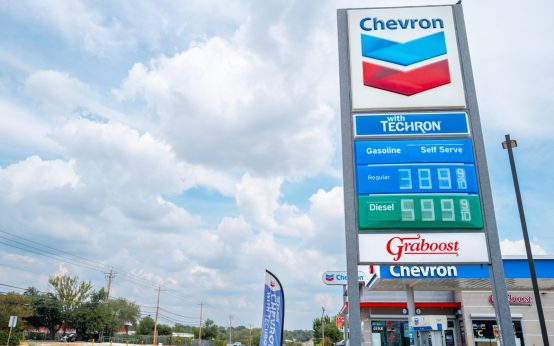 U.S. States Extend Gas Tax Waivers Amid Rising Fuel Costs Due to Iran Conflict
  USCIS Raises Immigration Fees
  The Surveillance Threat to U.S. Federal Agents