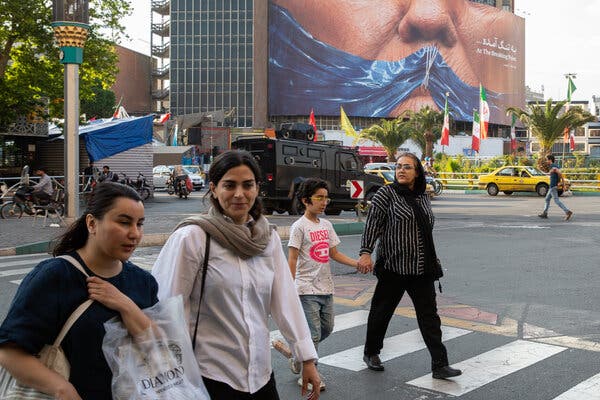
The United States and Iran are engaged in negotiations to potentially end the ongoing conflict. These discussions could take several days as both parties have differed in their accounts of any emerging agreement.
The talks are aimed at resolving the war in the Middle East, particularly by reopening the Strait of Hormuz. This strategic waterway is crucial for oil and gas transport, which Iran has currently blocked. However, many details about the potential agreement remain unclear.
A significant issue in these negotiations is Iran’s nuclear program. Conflicting statements from American and Iranian officials have cast doubt on whether a conclusive agreement is near.
“We have reached conclusions on a large portion of the issues, but no one can claim that the signing of an agreement is imminent,” said Esmail Baghaei, Iran’s foreign ministry spokesman.
Statements from the U.S.
President Trump expressed that any agreement with Iran should be “great and meaningful.” He emphasized there would be “no deal” if the terms were unfavorable. Facing criticism from some Republicans, he assured that the U.S. would not rush the process.
On social media, Trump reiterated on Sunday that any deal reached with Iran would be “a good and proper one.” He acknowledged that much remains to be resolved and did not provide specific details.
 British Police Arrest Man Suspected of Terror Plot
  Activists Push for Nationwide Ban on Child Marriage in the U.S.
  Investigation into Alleged Incident at Cornell University
  Rising Drone Threats Highlight Vulnerabilities in Moldova’s Airspace Defense
 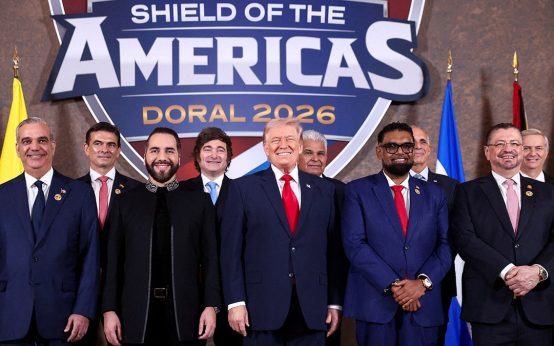 Bolivia Faces Security Test Amid Unrest
 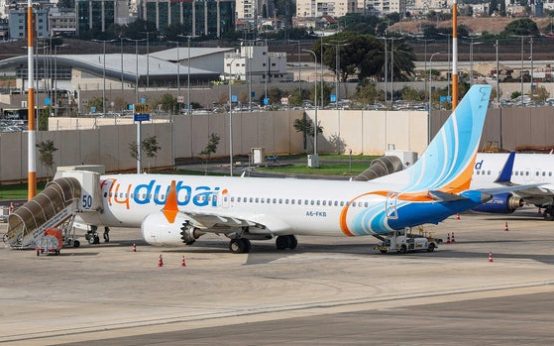 Incident on FlyDubai Flight Raises Security Concerns