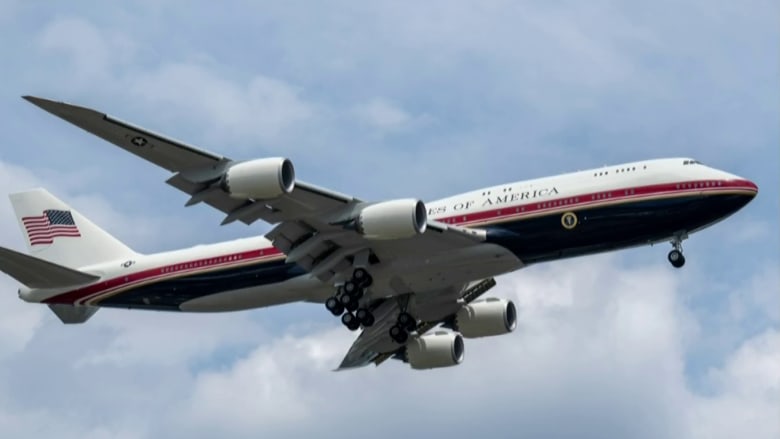
U.S. Commences Additional Strikes on Iran
The U.S. Central Command has reported new strikes on Iran. Directed by the Commander in Chief, these actions aim to diminish Iran’s threat to navigation freedom in the Strait of Hormuz. The U.S. holds Iran accountable for recent aggression against commercial shipping and civilian crews.
Vice President Vance’s Warning
Vice President JD Vance emphasized that the U.S. would retaliate if Iran continued attacks on ships in the Strait of Hormuz. Vance highlighted a previous agreement: the U.S. lifted its blockade with an understanding that Iran would cease its attacks. With Iran’s resumption of aggression, Vance affirmed that the U.S. will respond with greater force.
Iran’s Diplomatic Stance
Iranian Foreign Minister Abbas Araghchi declared that Iran would not respond to derogatory language with similar actions. This statement comes after President Trump referred to Iranian leaders disparagingly. Araghchi emphasized Iran’s cultural and moral civility, committing to respond with valor rather than vulgarity.
Ongoing Tensions and Military Movements
The Pentagon continues to detail its targets within Iran. These include facilities storing drones and missiles, as well as sites used to harass maritime vessels. Secretary of Defense Pete Hegseth stated readiness to continue strikes if necessary.
U.S. May Reinforce Blockade
President Trump mentioned the possibility of reinstating a blockade on Iranian ports, limiting access to Strait of Hormuz ports. He expressed dissatisfaction with Iran’s continued aggression despite diplomatic engagements.
Market Reactions
The cessation of an interim agreement has led to a significant increase in oil prices. This economic shift highlights the impact of geopolitical tensions on global markets.
Trump’s Comments at NATO Summit
President Trump, attending the NATO summit, indicated his intent to impose a firmer stance against Iran. He articulated plans for further military engagement while advocating against nuclear armament by Iran. The President also expressed dissatisfaction with NATO’s stance on Iran and construed it as uncooperative.
Global Reactions to Strikes
Countries such as Egypt, Qatar, Jordan, and Kuwait have condemned Iran’s attacks on the region. They emphasized Iran’s breach of sovereignty and called for maintaining maritime security.
Iran’s Conditions
Iran has labeled any military support to the U.S. as legitimate targets for retaliation. This declaration underscores the increased military tensions following U.S. actions.
Conclusion
As President Trump and international leaders engage in diplomatic discussions, the situation remains complex. With global economic implications and regional security at stake, the developments in U.S.-Iran relations are closely watched.
 Upcoming Congressional Elections: Key Districts to Watch
 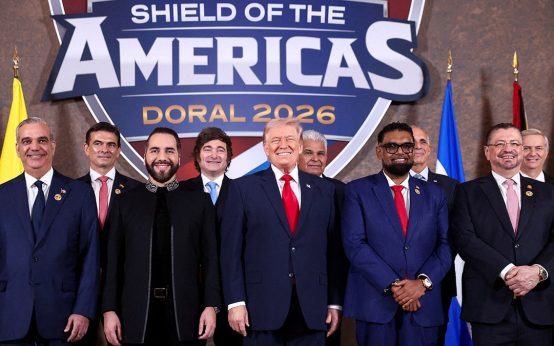 Bolivia Faces Security Test Amid Unrest
  President Trump’s Pre-Midterm Interview on Key Issues
  Incident on FlyDubai Flight Raises Security Concerns
  Journalist Gershkovich Discusses Wrongful Detention and Release in Russian Prisoner Swap
 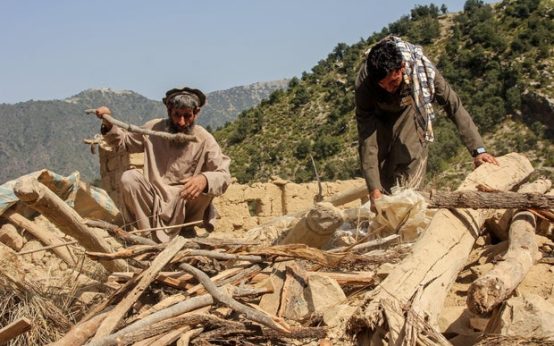 Pakistan Airstrikes in Afghanistan: Civilian Casualties Reported