The Trump administration outlined its “Economic D-Day” strategy against Iran, conveying strong warnings for nations dealing with the country. Treasury Secretary Scott Bessent emphasized the need for countries to halt their business and financial relations with Iran under threat of severe sanctions.
Named “Operation Economic Outcast,” the plan is said to be parallel to historical military efforts, but specific actions remain undisclosed. Bessent refrained from mentioning targeted countries, though he assured that diplomatic talks are underway.
The U.S. has “already seen some results,” Bessent remarked, indicating persuasive efforts by President Trump.
Trump took to Truth Social pronouncing the strategy as “the MOST CRUSHING ECONOMIC OPERATION EVER TAKEN AGAINST ANY COUNTRY!” Amplifying the pressure, he warned countries against making business with Iran or risk “TREMENDOUS” economic repercussions.
China, as Iran’s major trading ally, poses a significant hurdle. No nation is beyond U.S. sanctions, Bessent stated, as the administration’s focus stays on Iran’s key allies—China, India, and Russia
Actions involve sanctions targeting 60 entities, individuals, and vessels linked to Iran’s nuclear and missile programs alongside other economic sectors.
Iran’s economy shows signs of distress, with the currency, the rial, reaching unprecedented lows. As the International Monetary Fund forecasts a 5.4% contraction this year, local fuel price hikes appear imminent. Politically, internal discussions reflect divergent strategies as some Iranian leaders propose more aggressive stances.
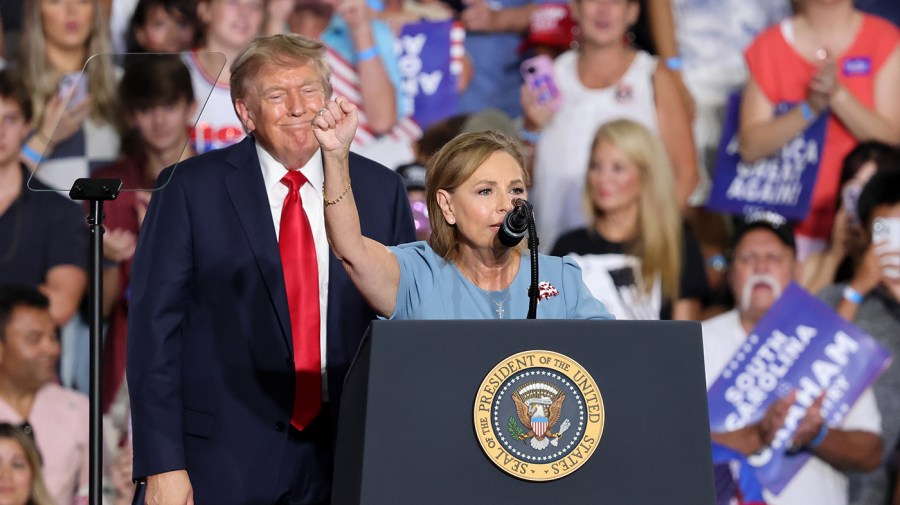
Amidst these international maneuvers, domestic developments in the U.S. continue. Trump’s endorsement holds sway over key GOP primary races in South Carolina and Oklahoma. The results could reflect his influence in election outcomes.
The Supreme Court recently lifted a block on Trump’s mail-in voting order, allowing the administration to push forward with new electoral measures. Legal challenges loom, potentially affecting future elections.
In trade news, a heightened U.S.-Canada tariff conflict unfolds. Trump’s response to Canada’s retaliatory tariffs hints at strategic economic positioning. Upcoming trade talks and tariff implementations could impact various sectors.
Additionally, changes to the H-1B visa fee structure are proposed by the Trump administration, aiming to offset costs associated with immigration processing.
Meanwhile, Nevada filed a lawsuit against federal directives on Colorado River water usage, illustrating ongoing resource management struggles and inter-state negotiations.
As the economic pressure mounts on Iran and trade relationships face turbulence, the administrative and judicial decisions in the U.S. continue to shape future diplomatic and domestic landscapes.
 Activists Push for Nationwide Ban on Child Marriage in the U.S.
  Democratic Hopes and Historical Warnings in 2026 Senate Race
  Republicans Face Challenges Amidst Cost of Living Concerns
 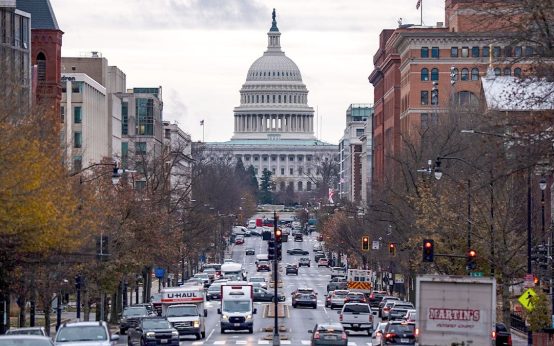 A Different Kind of Fall for Congress This Year
 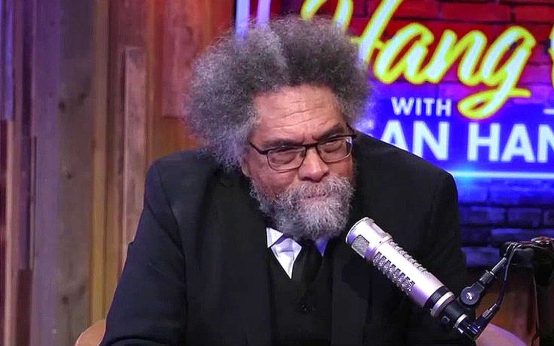 Cornel West and Sean Hannity Discuss Differences on Podcast
  Trump Unveils AI-Powered America.gov Platform