The United States expanded its military strikes against Iran early Thursday, targeting areas further north and firing on a ship accused of attempting to breach its naval blockade. Iran countered with missile and drone attacks on Bahrain, Jordan, and Kuwait before dawn, warning that further escalation could occur.
The ongoing exchange of strikes between the U.S. and Iran across the Middle East has jeopardized the interim agreement meant to end hostilities in the region, threatening to plunge the area back into widespread conflict. Iranian officials report that over 35 deaths and more than 300 injuries have resulted from U.S. strikes.
Notably, the American strikes reached locations around Tehran for the first time during this recent increase in violence, demonstrating the expanded range of U.S. targets. The conflict, which began when the U.S. and Israel launched operations against Iran on February 28, prompted Iran to effectively close the Strait of Hormuz. This action caused a significant increase in prices for oil and other goods, granting Iran considerable negotiating power.
“All the infrastructure in the region will be crushed under the steel blows of the powerful armed forces of the Islamic Republic of Iran,” warned Colonel Ebrahim Zolfaghari, spokesperson for Iran’s military headquarters, should U.S. President Donald Trump’s threats materialize.
Iran’s closure of the Strait of Hormuz presents a significant challenge for President Trump and the Republican Party, with upcoming congressional elections in November. Efforts to reopen the strait have floundered, leading Trump to reimpose the naval blockade. Despite attempts by mediators to de-escalate the situation, tensions remain high.
President Trump reiterated his belief that Iran is open to a peace deal, though he did not provide specifics. Concurrently, Iran has released Dena Karari, an American citizen detained since 2024. Her lawyer confirmed her release, yet Tehran did not acknowledge this development publicly.
American strikes on Thursday targeted areas around Tehran as reported by state media, along with Semnan province, known for its ballistic missile production and space program capabilities. Further reports indicated strikes in multiple other provinces, emphasizing the broader scope of U.S. military activities.
Earlier U.S. strikes on Wednesday occurred during daylight, indicating an increased tempo of actions. U.S. Central Command confirmed an attack on Greater Tunb Island in the Strait of Hormuz, targeting Iranian defense infrastructure. Additionally, the U.S. military fired upon the oil tanker Belma, directed toward Kharg Island, after the vessel failed to heed warnings.
Iranian state television reported Wednesday on an American assault on a barracks in Sistan and Baluchestan province, resulting in several casualties, including both conscripts and career soldiers.
In retaliation, Iran launched missile and drone strikes against U.S. ally countries, though immediate reports on casualties or damage were unavailable. Iraqi Prime Minister Ali al-Zaidi condemned a drone attack on Irbil, coinciding with his U.S. visit, where he pledged to combat non-state armed groups in Iraq.
The current conflict centers around the strategic Strait of Hormuz, a crucial point for global oil trade. Iran’s closure of the strait has challenged U.S. efforts to maintain free passage, while the rising oil prices underscore the global impact of the conflict. Observers suggest that reopening the strait might require large-scale military deployment.
Oil prices continue to rise amid the conflict, with Brent crude oil trading significantly higher than before the war.
 British Police Arrest Man Suspected of Terror Plot
  Activists Push for Nationwide Ban on Child Marriage in the U.S.
  Investigation into Alleged Incident at Cornell University
  Rising Drone Threats Highlight Vulnerabilities in Moldova’s Airspace Defense
  Bolivia Faces Security Test Amid Unrest
 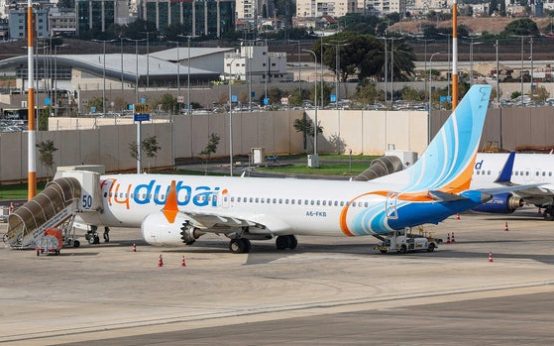 Incident on FlyDubai Flight Raises Security Concerns