
Israeli and Lebanese officials convened for another round of U.S.-mediated discussions on Tuesday. These talks aim to strengthen a tentative cease-fire and set the stage for Israel’s potential withdrawal from southern Lebanon. Despite ongoing efforts, hopes for significant progress remain low.
Months of severe conflict between Israel and Hezbollah have resulted in the deaths of thousands and the displacement of over a million people. Israeli forces still hold parts of southern Lebanon. The hostilities began when Hezbollah launched assaults on Israel to support its Iranian allies in the U.S.-Israeli conflict with Iran.
The two-day meetings are held at the U.S. Embassy in Rome. They follow a preliminary accord from last month intended to halt the fighting. The deal, signed on June 26, has faced criticism in Lebanon for lacking a set timeline for Israel’s withdrawal.
Instead of a deadline, the agreement conditions Israel’s exit on Hezbollah’s disarmament, a task for the Lebanese government that has seen little progress. The plan states that as Israel leaves the south, the Lebanese Armed Forces will take over, allowing displaced individuals to return home.
These discussions occur at a challenging time for the entire region. The U.S.-Iran framework for a cease-fire, signed last month, required an end to hostilities across all fronts, including Lebanon. However, recent statements from Iran and President Trump suggest the deal is no longer in effect. With escalating attacks exchanged, Hezbollah’s future actions, as Iran’s strongest regional partner, remain uncertain.
On Monday, Lebanon’s President Joseph Aoun expressed hope that the talks would lead to ‘concrete and practical steps on the ground.’ He called for Israeli Prime Minister Benjamin Netanyahu to understand that military strategies would not secure lasting peace.
 Dutch Review Board’s Euthanasia Ruling and International Debate
 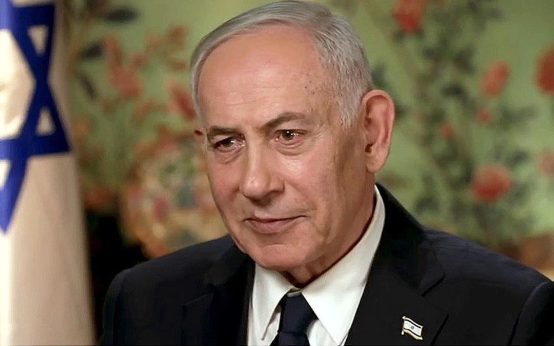 Israeli PM Commends Heroic Actions in Flight Emergency
  Rabbi and Jewish Leaders Criticize Adam Brody for ‘Genocide’ Comment
  Flydubai’s Emergency Landing Highlights Cockpit Security
 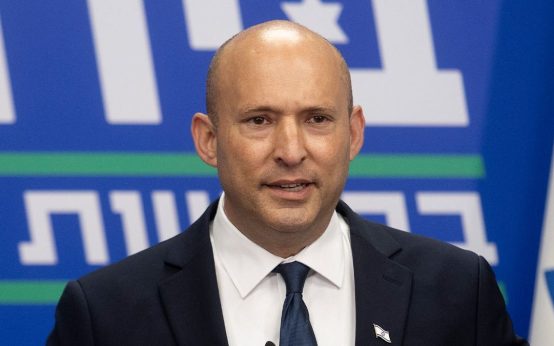 Former Israeli PM Naftali Bennett Commends Passengers and Crew for In-Flight Heroism
  Diplomatic Complexities Unfold at U.S. National Archives Visit