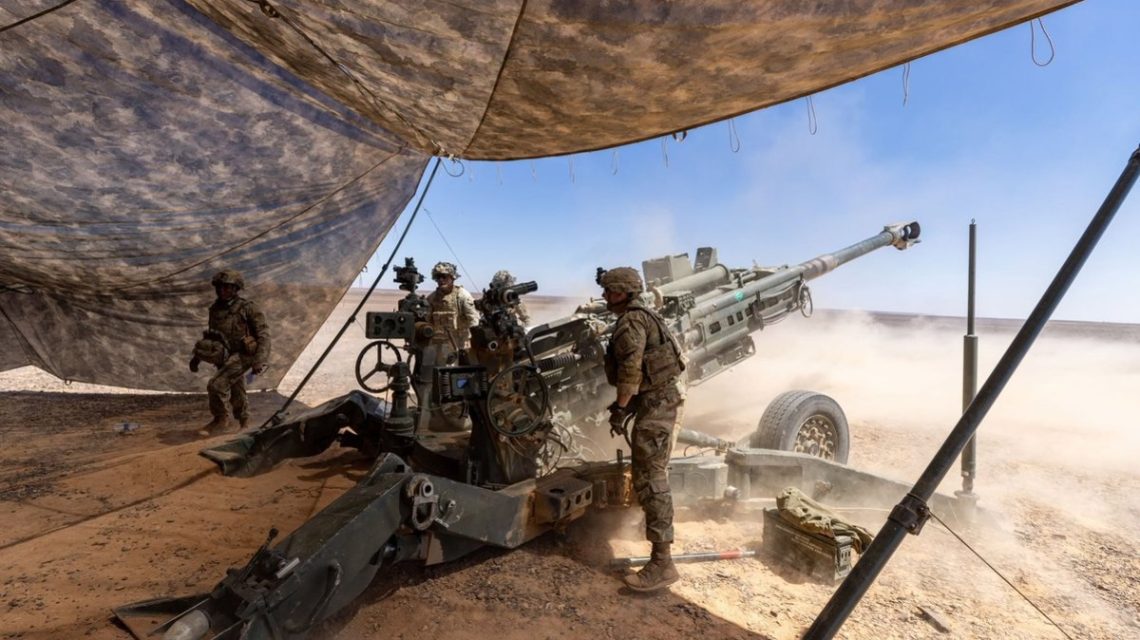
The U.S. military is searching for fresh strategies to address challenges in the Middle East. Captain Timothy Hawkins, a spokesperson for the U.S. Central Command (CENTCOM), highlights the forces’ tradition of innovative thinking. Admiral Brad Cooper, CENTCOM’s top commander, encourages input from all ranks in formulating new approaches.
In recent developments, a request for unconventional tactics to pressure Iran has emerged. This information comes from an unnamed intelligence officer within CENTCOM, according to a CNN report. The report indicated that the request was made to explore ways to counter Iran amid an ongoing conflict.
Analyzing the Request
The details of the request remain unclear, as CENTCOM has not confirmed or denied it. However, the message suggested interest in discovering strategies akin to Ukraine’s effective drone warfare against Russia. This approach seeks to change the war’s dynamics and strengthen negotiating positions in future peace talks.
Despite U.S. military actions and sanctions against Tehran, Iran’s control over the Strait of Hormuz persists. Recent dialogues have centered on whether intensified attacks would deter Iran, but President Donald Trump mentioned pausing military plans for diplomacy. Meanwhile, Iran engages in conversations with Oman rather than the U.S.
Unexpected Nature of the Appeal
The nature and context of this call for new tactics are debated. While active-duty military personnel regularly propose strategies in public forums, this written appeal has raised doubts. Contests and challenges have traditionally catalyzed innovations from both military and civilian contributors.
Jim Townsend, a former Pentagon official, suggests the request might be seeking a significant breakthrough. Historically, options crafted by the intelligence community and defense offices get evaluated by the National Security Council and eventually the president. However, some officials interpret the explicit request for suggestions as lacking prior planning.
Several military officials consulted for this report consider the written solicitation unconventional. They argue strategic brainstorming typically occurs behind closed doors in classified briefings.
European defense officials reacted by labeling the approach as surprisingly atypical. Retired Colonel Mark Cancian from the Center for Strategic and International Studies notes that although innovative ideas have surfaced during previous conflicts, they weren’t in response to formal calls for proposals.
 Activists Push for Nationwide Ban on Child Marriage in the U.S.
  Investigation into Alleged Incident at Cornell University
  Rising Drone Threats Highlight Vulnerabilities in Moldova’s Airspace Defense
  Bolivia Faces Security Test Amid Unrest
  Incident on FlyDubai Flight Raises Security Concerns
  Journalist Gershkovich Discusses Wrongful Detention and Release in Russian Prisoner Swap