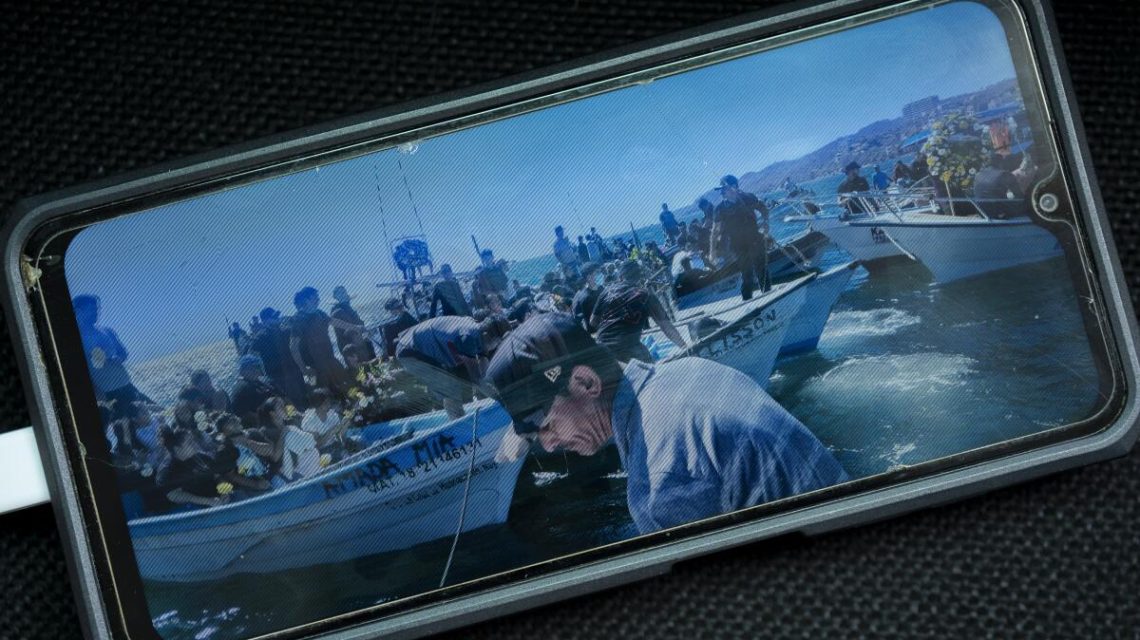
LA CRUZ DE HUANACAXTLE, Mexico — In mid-February, two boats left Mexico’s Pacific coast carrying eight fishermen. They never came back. Drug traffickers claimed the U.S. military bombed the boats, which coincided with video releases showing U.S. missile strikes on ‘narco-terrorists’.
Mourning families held a memorial service at sea. Dozens of boats gathered, and mourners drank beer and sang to honor the missing fishermen. Residents of La Cruz de Huanacaxtle, especially legal fishermen, now fear becoming targets.
“They knew the risks,” said Father Rigoberto Cruz.
The Trump administration has targeted Mexican vessels in international waters, with strikes killing at least 221 people since September. Despite broad reports of similar incidents in other countries, Mexico has faced international silence. The U.S. has not disclosed details of the strikes, leaving Mexican officials without information.
Fishermen from coastal towns often become involved in drug trafficking. In La Cruz de Huanacaxtle, many locals knew the men worked for smugglers. Marvin homes were renovated and cars upgraded using earnings from transporting gasoline to refuel drug smuggling boats. Just hours after their departure from Punta Pérula on February 16, U.S. strikes were reported.
Mourning families identified the dead as: Edgar Valerio Ramos, Pedro Torres Falcón, Luis Torres Jiménez, Carlos Torres Zamora, José Reyes García, Diego Ocampo González, Abel Ramos Jiménez, and Braulio Cruz Joya.
Throughout Mexico, such stories are not new. The tragic fate of these fishermen echoes in towns like Puerto San Carlos. Marbella Para Amador shared how her husband, desperate after the local sardine cannery closed, took a risky smuggling job. He too vanished after reports of U.S. strikes in late May.
Critics argue the U.S. strikes amount to extrajudicial killings, ignoring the complex socio-economic forces pushing fishermen towards crime. Investigations by journalists like Agustín Del Castillo reveal the cartel’s exploitative tactics on fishermen needing economic stability.
Mexico’s response included increased naval patrols following cooperation agreements with the U.S. Yet, such actions raise sovereignty concerns. Del Castillo suggests Mexico avoids highlighting these strikes to prevent diplomatic tensions with the U.S.
President Trump’s stance is unyielding, suggesting future ground operations in Mexico. Despite military claims of targeting only designated terrorist organizations, many argue the criteria are too vague, risking innocent lives.
In La Cruz de Huanacaxtle, fishermen protest the narrative labeling their lost friends as threats. One fisherman criticized, “They didn’t have guns, they didn’t have drugs, they carried gasoline.”
The ongoing strikes have not curtailed drug flow, as cocaine prices remain unchanged in the U.S. This continues to impact communities relying on the sea for living amidst fears and uncertainties.
Special correspondent Cecilia Sánchez Vidal contributed to this report from Mexico City.
 British Police Arrest Man Suspected of Terror Plot
  Activists Push for Nationwide Ban on Child Marriage in the U.S.
  Investigation into Alleged Incident at Cornell University
  Rising Drone Threats Highlight Vulnerabilities in Moldova’s Airspace Defense
  Bolivia Faces Security Test Amid Unrest
 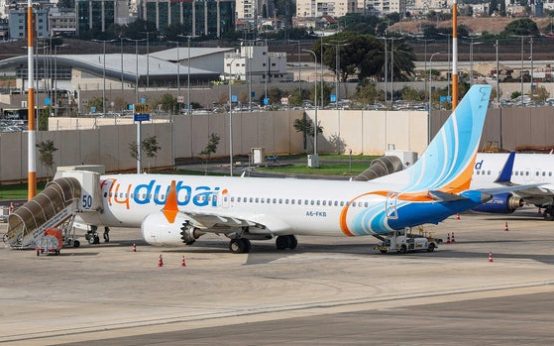 Incident on FlyDubai Flight Raises Security Concerns