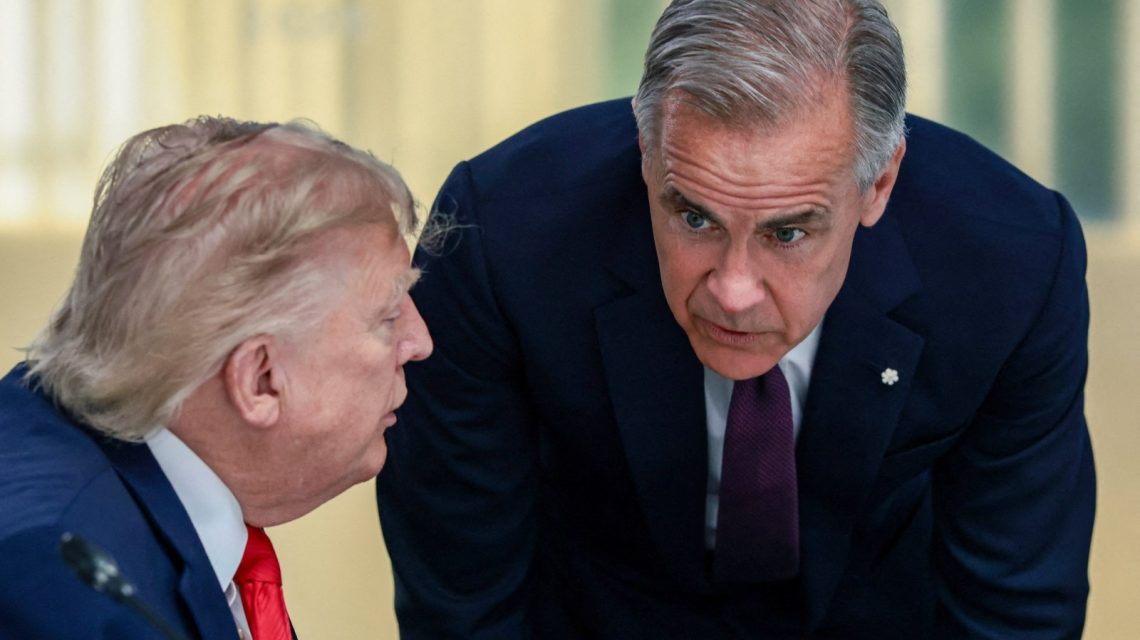
The United States has indicated for the first time a willingness to consider Canadian interests in a new trade agreement. According to U.S. Trade Representative Jamieson Greer, any future trade deal between Washington and Ottawa must consider Canadian concerns. This acknowledgment comes as negotiations remain stalled in crucial sectors such as steel, aluminum, and automobiles.
Greer stated in a CNBC Breakfast interview that the U.S. aims to ensure that North American trade in these sectors benefits the United States. However, he admitted that Canada’s interests must also be addressed, suggesting a potential path for negotiations.
Challenges to Canada’s economic relationships persist. The U.S. representative expressed doubt about Canada’s moves to strengthen trade ties with the European Union, questioning the value remaining in their current trade relationship.
“I’m not sure there’s a lot of juice left to squeeze,” Greer commented regarding the trade ties with the EU.
Amid these discussions, the impact of U.S. automotive tariffs remains significant. Brian Kingston, president of the Canadian Vehicle Manufacturers’ Association (CVMA), highlighted the economic strain these tariffs place on the industry. Kingston pointed out a 167 percent decrease in Canadian vehicle manufacturers’ exports to the U.S. and a 25 percent fall in U.S. vehicle exports to Canada.
Kingston informed lawmakers that motor vehicles constitute Canada’s third-largest goods export, emphasizing the importance of securing tariff relief. In the previous year, vehicles accounted for CA$41 billion in exports, with 90 percent directed to the United States.
“We need to secure tariff relief with the United States,” Kingston stated, warning of the damage caused by the U.S. Section 232 tariffs and Canada’s retaliatory actions.
The automotive sector continues to be a major hurdle in resolving the trade dispute, alongside steel, aluminum, and lumber issues.
Canadian Prime Minister Mark Carney has stressed that Ottawa will not accept a deal undermining Canada’s automotive and steel industries. While some U.S. tariffs might remain, Carney’s administration is exploring an interim agreement aimed at industries facing severe impacts. Under current plans, American tariffs on Canadian vehicles could rise from 25 percent to 50 percent in January.
This story is developing with further updates pending.