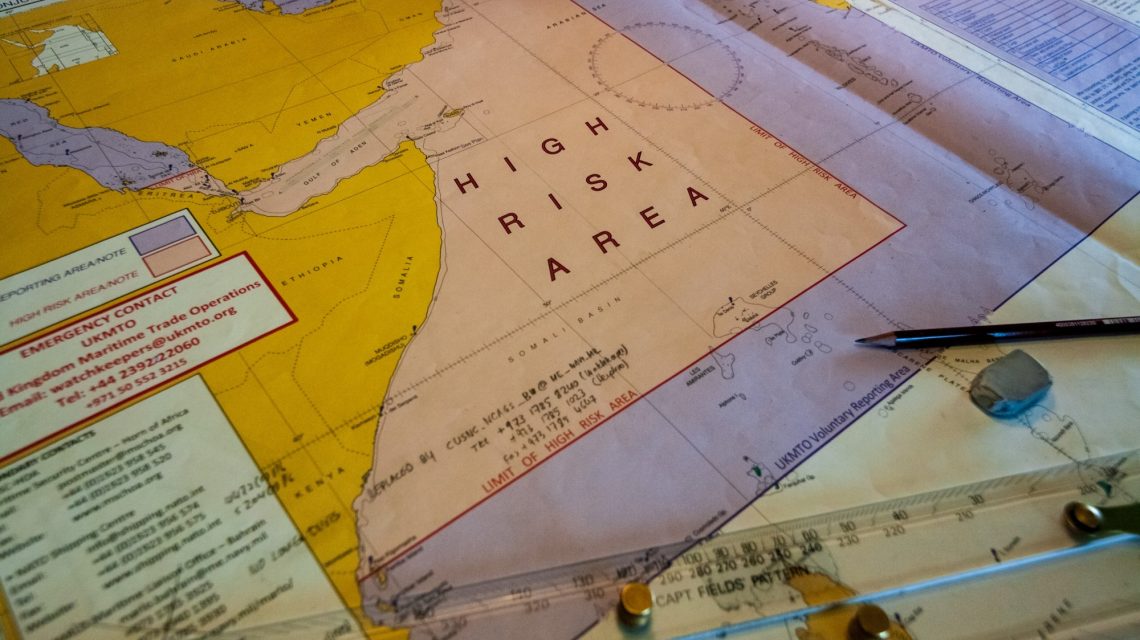
In the Gulf of Aden, off the coast of Somalia, recent reports indicate an alarming resurgence of piracy, linked to broader geopolitical conflicts. This activity, tied to the ongoing Iran war, now affects the Strait of Hormuz and the Red Sea. Recent incidents off Somalia’s coast highlight the vulnerabilities in maritime security. In a span of weeks, four vessels have been seized, including the Eureka oil tanker, taken by pirates who are demanding a $10 million ransom.
This situation did not occur in isolation. Evidence points to a strategic collaboration involving Tehran and Yemen-based terrorist groups, who have supplied Somali pirates with training and weapons. A report by the UN Panel of Experts in 2025 documented meetings between Yemeni terrorists and Somali militants, agreeing to amplify piracy activities. This collaboration provided militants with precision GPS devices for targeting vessels and military training in Yemen.
The Puntland Maritime Police Force confirmed in early 2026 that pirates are now operationally equipped with these resources. This is not merely a regional issue; it is a significant problem involving weapons proliferation and maritime terrorism, directly connected to Tehran.
For two years, the United States focused on missile threats in the Bab el-Mandeb Strait but overlooked how Somali pirates have capitalized on the disruption caused by the Yemen-based groups. The resurgence of piracy, fueled by the Iran war, includes enhanced equipment and strategic cover. Piracy peak costs reached $7 billion globally in 2011, heavily impacting insurance, ransoms, naval deployments, and shipping routes. While naval pressure helped suppress piracy, recent statistics show an alarming rise, with 137 incidents in 2025.
Weapons flowing from Yemen to Somalia further destabilize East Africa, threatening U.S. counterterrorism efforts. These movements exploit sanction loopholes and facilitate ransom laundering and weapons distribution. Washington’s approach remains insufficient. The U.S. Navy must reestablish a dedicated counter-piracy presence in the Gulf of Aden, addressing the hybrid piracy threat posed by Tehran.
Congress should mandate a thorough review of the arms pipeline from Yemen to Somalia, examining its financing and influence throughout East Africa. Applying Iran’s sanctions framework to disrupt financial networks involved in ransom and weapons trades is crucial. Effective measures against Somali piracy require recognizing it as part of Iran’s regional strategy, not merely a maritime crime.
Siyad Madey, offering insights into Horn of Africa geopolitics and Red Sea security, emphasizes the importance of sustained, coordinated pressure as learned from past experiences with Somali piracy.
 British Police Arrest Man Suspected of Terror Plot
  Activists Push for Nationwide Ban on Child Marriage in the U.S.
  Investigation into Alleged Incident at Cornell University
  Rising Drone Threats Highlight Vulnerabilities in Moldova’s Airspace Defense
  Bolivia Faces Security Test Amid Unrest
  Incident on FlyDubai Flight Raises Security Concerns