U.S. Sanctions on Iran Introduce Global Tensions
The Trump administration has introduced a new initiative dubbed “Operation Economic Outcast,” targeting Iran with escalating economic sanctions. Additionally, this policy threatens secondary sanctions against countries engaged in Iran-related business activities.
India’s Complicated Position
This new policy places India, along with other nations considered close U.S. allies, in a challenging position. India’s strategic relationship with the United States is vital in the Indo-Pacific region, but its economic and strategic interests in Iran complicate adherence to the sanction policy.
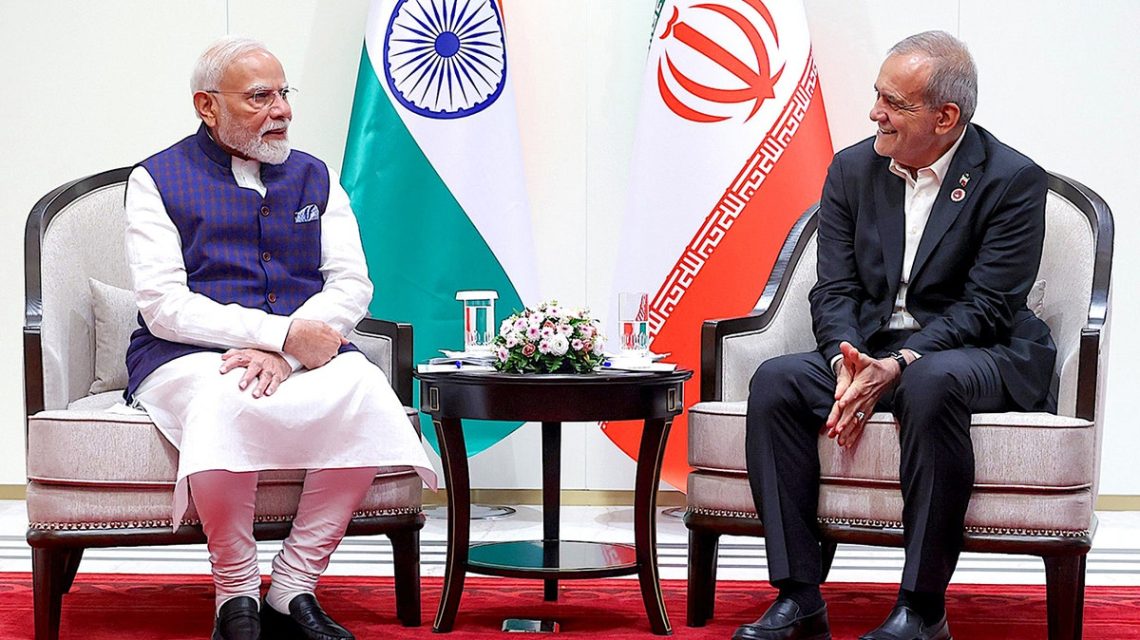
Recently, Indian Prime Minister Narendra Modi met Iranian President Masoud Pezeshkian during the Shanghai Cooperation Organization Summit in Kyrgyzstan. This meeting marked their first face-to-face since the outbreak of conflict six months ago.
Prime Minister Modi expressed intentions to strengthen long-standing ties with Iran while seeking to diversify trade relations.
India’s reliance on Iranian goods like pharmaceuticals, which enjoy humanitarian exemptions, underscores the depth of their trade relationships.
U.S. Position Unyielding
U.S. Secretary of State Marco Rubio affirmed there are no plans for a trade deal between India and Iran, emphasizing sanctions for those assisting Iran in evading restrictions.
The U.S. government aims to ensure Iran remains non-nuclear, a goal Secretary Rubio reiterated in an interview with Fox News. India had been identified as one of Iran’s top trading partners. However, trade figures have decreased significantly compared to their peak in 2018-19.
Economic Challenges and Consequences
India faced direct sanctions from the U.S. Treasury Department, affecting India-based companies and nationals linked to Iranian petroleum and petrochemical trades.
India’s exports to Iran, including significant shipments of rice, demonstrate ongoing economic ties. But facing sanctions alongside the United Arab Emirates’ withdrawal from trade with Iran, Indian exporters are under pressure.
Strategic Infrastructure Impacted
India’s interests extend beyond commerce, concerning infrastructure like the Chabahar port in Iran. This port provides crucial maritime routes connecting India with Russia and Europe, circumventing Pakistan.
Ongoing U.S. sanctions have disrupted India’s operations at the port. Additionally, India’s dependency on Middle Eastern oil imports complicates its geopolitical stance, given the conflict-driven disruptions in energy costs and availability.
Balancing Act Amid Global Politics
India’s resistance to U.S. pressure reflects its priority on interests that span beyond commerce, as seen in its approach to relations with Russia despite strained U.S.-Russia ties. Expert opinion suggests that these relations hold more significance for India than those with Iran.
Diplomatic Challenges for the U.S.
Squeezing influential economies like India over Iran links poses potential risks for U.S. diplomatic relations. There’s recognition of the importance of maintaining a balanced strategic relationship with India, especially in countering China’s influence.
The broader U.S.-India relationship under President Trump has encountered recent strains. Potential secondary sanctions on Iran could heighten these tensions. Yet, the intact U.S.-India trade relationship grants the U.S. considerable negotiation leverage.
Upcoming international meetings, such as the BRICS summit attended by leaders like Chinese President Xi Jinping and Russian President Vladimir Putin, spotlight the intersection of U.S. sanctions and broader geopolitical dynamics.
An analyst suggests that subtle diplomatic pressure may be more effective with India than overt coercion, urging a return to proven tactics.
India’s government has not responded to inquiries on these developments.
 Upcoming Congressional Elections: Key Districts to Watch
  Bolivia Faces Security Test Amid Unrest
  President Trump’s Pre-Midterm Interview on Key Issues
  Incident on FlyDubai Flight Raises Security Concerns
  Journalist Gershkovich Discusses Wrongful Detention and Release in Russian Prisoner Swap
 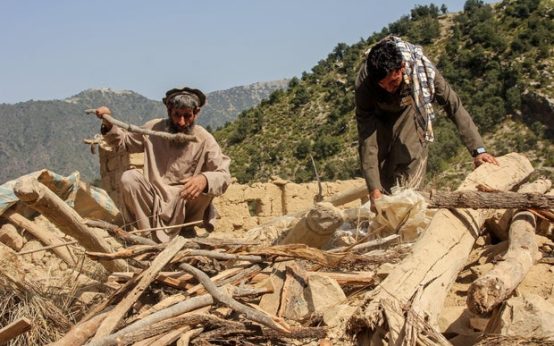 Pakistan Airstrikes in Afghanistan: Civilian Casualties Reported