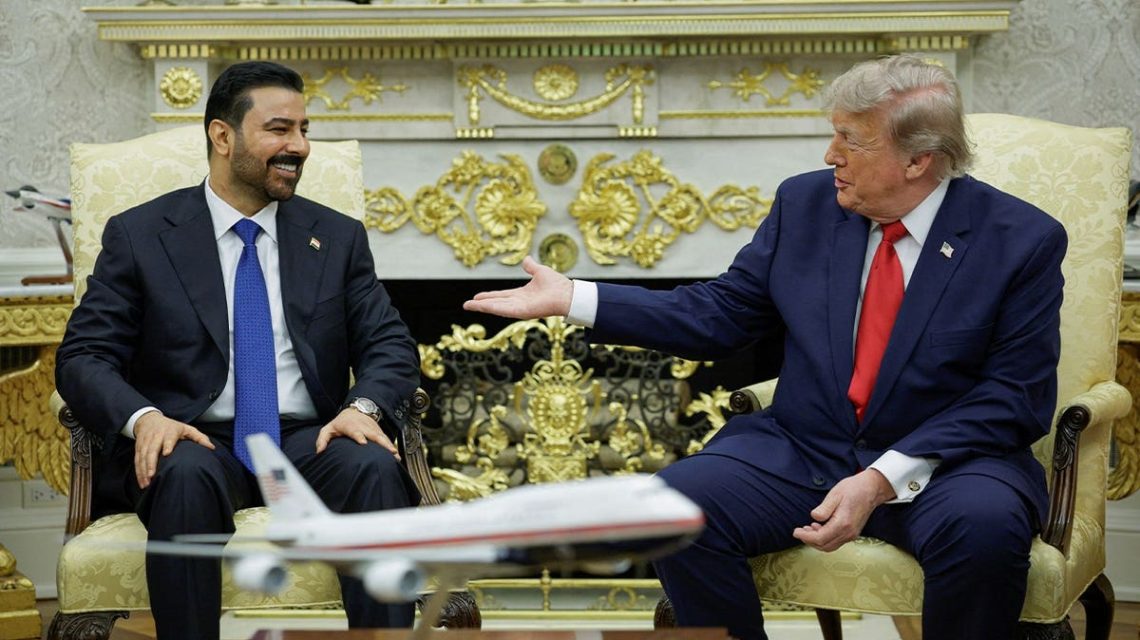
President Donald Trump has announced that the United States no longer deems it necessary to maintain a military presence in Iraq. This decision comes as the U.S.-led coalition mission in the region is set to conclude on September 30. According to Trump, Iraq’s capability to manage its own security has improved significantly, especially following the weakening of Iran’s influence.
Iraqi Prime Minister Ali al-Zaidi reaffirmed this stance, stating that factions operating outside of the state control would lack justification once the coalition mission ends. Al-Zaidi emphasized that the Iraqi security forces are prepared to secure the country independently and highlighted that the restriction of weapons to state forces is a definitive decision, not merely an option.
The collaboration between the U.S. and Iraq will pivot from military cooperation to economic development and energy investment, with Trump noting, “The 30th of September, the U.S. forces would be out of Iraq, while U.S. companies will be inside.”
Trump indicated that the change in Iraq’s security environment is substantial, citing the destabilization of Iran as a contributing factor to the new strategy. This marks a significant transition for Iraq, which was previously marred by conflict and violence, showcasing a shift from military engagement to economic initiatives. U.S. companies are planning substantial investments in Iraq’s energy sector, reflecting a newfound willingness to operate in areas previously fraught with conflict.
For years, Washington has urged Baghdad to integrate influential militias within the Popular Mobilization Forces into the official Iraqi security architecture. Under a 2024 agreement, both nations agreed to conclude the American-led coalition’s military mission by September 2025. Prior to the drawdown, approximately 2,500 U.S. troops remained in Iraq, significantly reduced from the 170,000 peak during the Iraq war’s height in 2007.
Prime Minister Al-Zaidi, a businessman and political newcomer, assumed office this year amid prolonged political stagnation. Trump supported al-Zaidi’s candidacy, opposing former Prime Minister Nouri al-Maliki due to his perceived closeness to Iranian interests. Trump commended al-Zaidi as “a great leader” during their Oval Office meeting and claimed to have influenced his rise to power in Iraq.
 British Police Arrest Man Suspected of Terror Plot
  Activists Push for Nationwide Ban on Child Marriage in the U.S.
  Investigation into Alleged Incident at Cornell University
  Rising Drone Threats Highlight Vulnerabilities in Moldova’s Airspace Defense
  Bolivia Faces Security Test Amid Unrest
 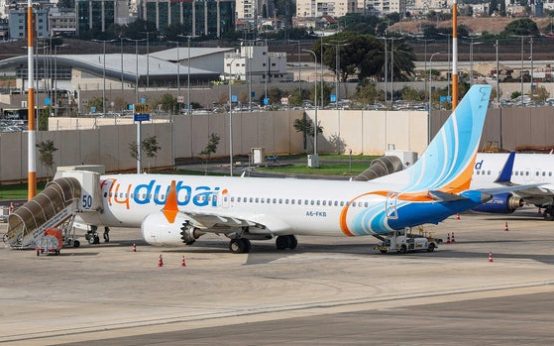 Incident on FlyDubai Flight Raises Security Concerns