Sadaf Zarei, an international student at the University of Connecticut from Iran, voices her concerns about the Iranian women’s soccer team. The team’s captain abandoned her asylum bid in Australia, fearing repercussions for her family from the Iranian government. Zarei emphasizes the widespread digital blackouts and human rights violations in Iran, calling for change from the current regime.
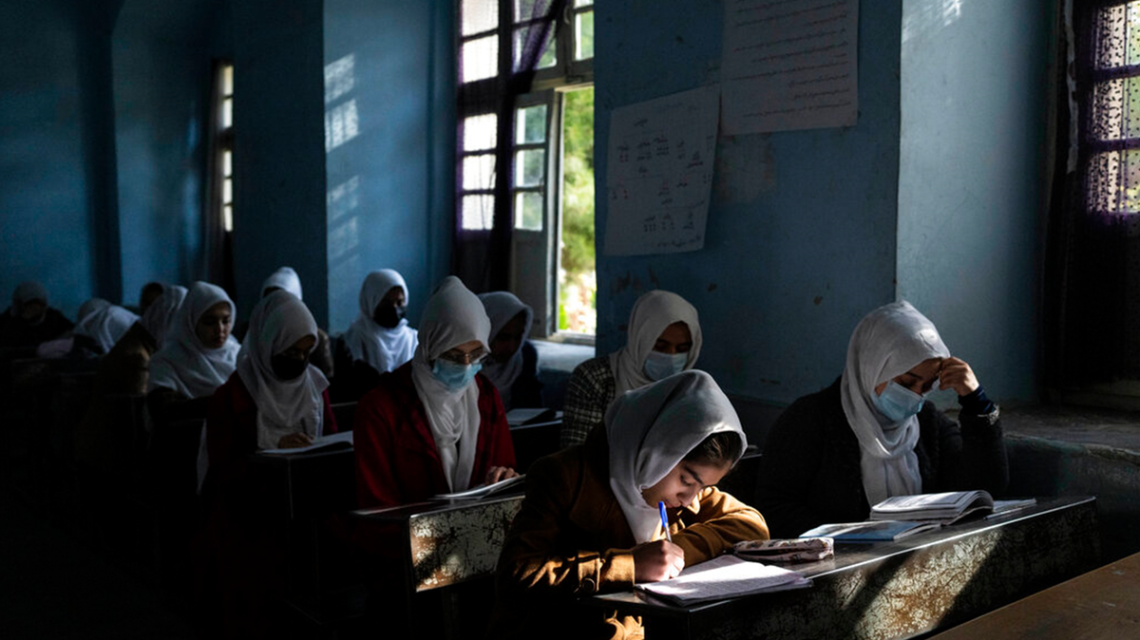
In Afghanistan, five years after the Taliban took control, about 2.4 million girls are still barred from secondary education. This situation reverses decades of progress and leaves many young women without classroom access. Afghanistan is now the only place where girls are formally denied education beyond primary school, according to UNESCO. On Tuesday, UNESCO called for the immediate restoration of educational rights for these girls.
Beyond education, the Taliban’s policies restrict women’s roles in most paid jobs and public sectors. Women also face travel limitations without a male guardian. UNESCO warns these policies have effects that extend well beyond classrooms.
“Women have been erased from public life, and as a new generation of girls grows without an education, their future becomes increasingly dark,” UNESCO stated.
The Taliban assumed power on August 15, 2021, as U.S. and NATO troops withdrew from Afghanistan. They soon banned girls from secondary schools and expanded these restrictions to universities and other areas of public life. Despite international pressure, the Taliban maintains these restrictions as a domestic issue.
UNESCO reports that educational progress achieved over the past two decades for Afghan girls has significantly regressed. In 2001, girls had limited schooling access. By 2021, nearly a million were enrolled in secondary education. Five years later, 2.4 million girls are left out.
Hoda Jaberian, UNESCO’s program coordinator, remarked during a news conference, “Five years is not a temporary interruption in a child’s education. It is clearly almost an entire secondary school cycle.” The lack of educational opportunities and work restrictions could worsen Afghanistan’s economic issues, with almost half of its population living below the poverty line.
Girls’ exclusion from school affects mental and physical well-being and may increase early marriage risks. Additionally, UNESCO notes that the prohibition against female teachers instructing boys exacerbates teacher shortages and diminishes educational quality across Afghanistan.
In response to education bans, UNESCO has implemented community-based education and skills development programs. These initiatives have involved nearly 70,000 participants, with women comprising 73% of learners. Despite efforts, UNESCO acknowledges the essential need for formal education.
“Afghanistan’s girls and women have the right to learn, to work, to move freely, and to shape their own futures,” UNESCO declared.
UNESCO remains committed to working with local communities and partners to create educational alternatives for Afghan women and girls and continues to advocate for lifting the educational bans. “Girls and women’s right to education is non-negotiable,” stated Jaberian.
 Investigation into Alleged Incident at Cornell University
 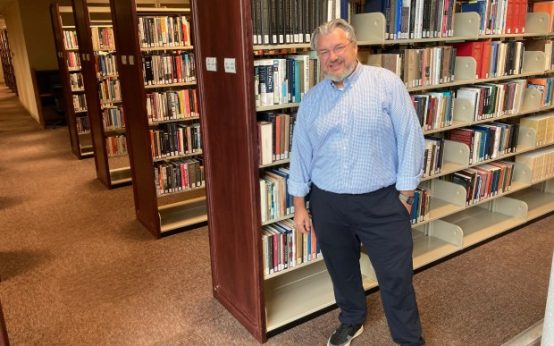 Troy Swanson: Award-Winning Librarian Transforming Academic Libraries
 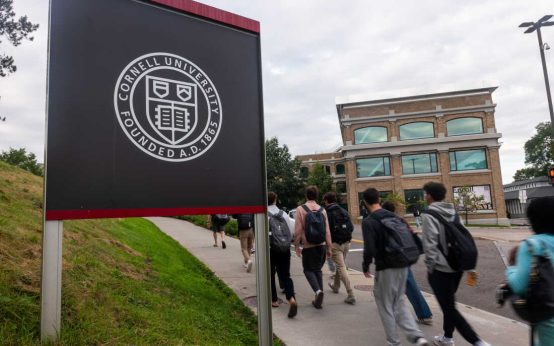 Cornell University to Investigate Handling of Alleged Assault Case
  Rising Drone Threats Highlight Vulnerabilities in Moldova’s Airspace Defense
  Bolivia Faces Security Test Amid Unrest
  Incident on FlyDubai Flight Raises Security Concerns