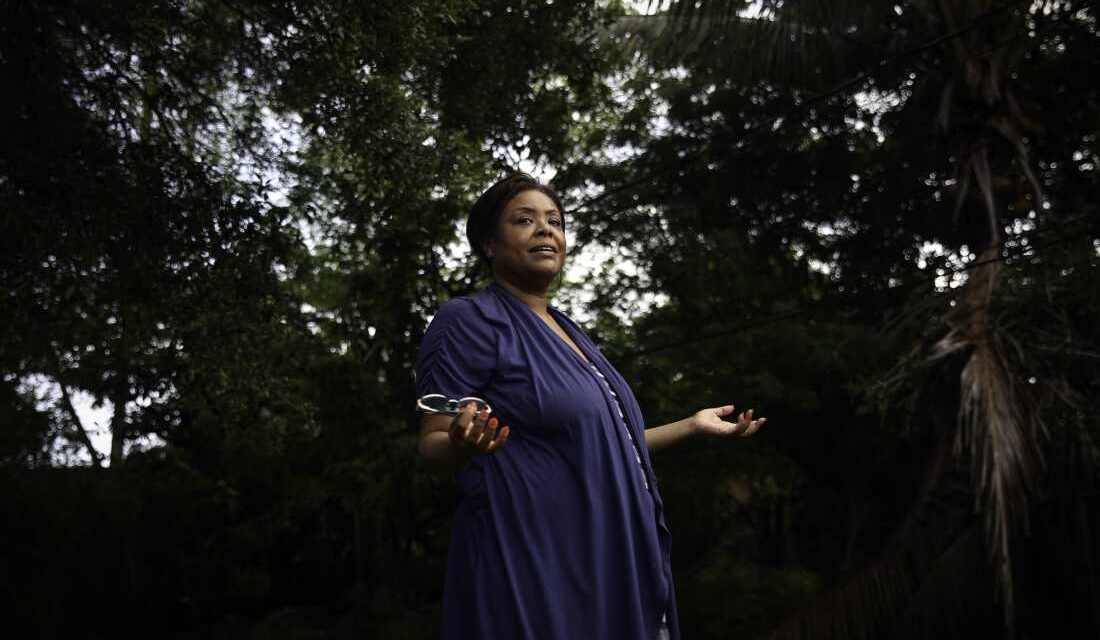
In the early hours of the morning, Farah Larrieux returned to her home in South Florida. At 6 a.m., she was exhausted, pulling trash and recycling bins to the curb, with dark circles under her eyes and a persistent headache. She had completed her last overnight shift at a hotel. Larrieux is one of about 300,000 Haitians in the U.S. affected by the loss of Temporary Protected Status (TPS), which had allowed them to live and work legally in the United States.
First granted after Haiti’s catastrophic earthquake in 2010, TPS was seen as a safety measure due to hazardous conditions in Haiti. However, a recent Supreme Court decision permitted the Trump administration to terminate these protections, creating an uncertain future for many TPS holders. The impacts are especially significant in South Florida, where the Haitian community is deeply involved in various sectors like healthcare, hospitality, and construction.
The Department of Homeland Security justified ending TPS by stating that “conditions in Haiti have improved sufficiently.” They emphasized that TPS was never intended as a permanent asylum pathway.
Larrieux, a U.S. resident for nearly twenty years, finds herself in turmoil. She sits surrounded by plaques honoring her community service, yet she cannot find peace. “I feel empty,” she confesses, likening her situation to a nightmare.
Fear of detention haunts her daily life. Her home is stocked with food as she avoids outings, worried about arrests by Immigration and Customs Enforcement (ICE). Her front door’s glass panel is obscured by paper—a precaution against an unannounced visit from ICE. Larrieux has memorized her attorney’s number, ready in case of detention.
Managing two jobs, including her own communications business, has become impossible. Larrieux has paused her activities to rely on savings while she applies for asylum. She fears persecution if forced to return to Haiti due to her vocal criticism of its government. “If I am not harmed by ICE in detention, I could be killed in Haiti,” she states, blaming President Trump for her plight. Her anguish is profound, her tears carving paths down her face as she voices the sentiment of being undervalued.
South Florida is home to about 500,000 people of Haitian descent, with 158,000 holding TPS. Miami-Dade County Mayor Daniella Levine Cava emphasized that TPS termination will deeply affect the community and economy. “This decision is heartbreaking and unnecessary,” she stated, noting that it threatens to separate families and weaken sectors crucial to the region’s economy. Paul Christian Namphy of the Family Action Network Movement estimates that Haitian TPS holders significantly boost local economies.
Father Reginald Jean-Mary of Notre Dame D’Haiti Catholic Mission highlighted the fear and uncertainty gripping his church community. The State Department advises against travel to Haiti, labeling the nation under emergency, yet the government insists it’s safe for Haitians to return. “This lack of humanity is shocking,” Jean-Mary said, criticizing the decision.
A Department of Homeland Security spokesperson indicated that immigration enforcement activities occur regularly but would not discuss specifics concerning Haitians post-TPS expiration. DHS General Counsel James Percival summarized the administration’s stance as “closing time.”
After finishing her morning chores, Larrieux briefly enjoyed her backyard’s peacefulness. The aroma of rain and sight of mango-laden trees momentarily lifted her spirits, reminding her of Haiti, a land she still loves yet deems unsafe due to the turmoil of armed gangs and widespread violence. “For many Haitians,” she concludes, “returning to Haiti is not a safe option.”
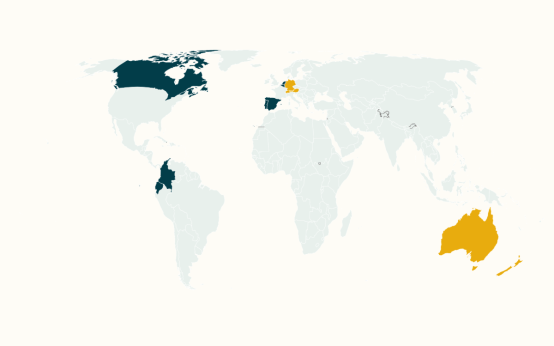 Dutch Review Board’s Euthanasia Ruling and International Debate
  Israeli PM Commends Heroic Actions in Flight Emergency
  Rabbi and Jewish Leaders Criticize Adam Brody for ‘Genocide’ Comment
  Flydubai’s Emergency Landing Highlights Cockpit Security
 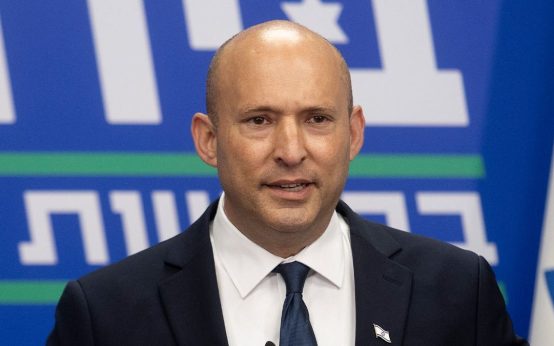 Former Israeli PM Naftali Bennett Commends Passengers and Crew for In-Flight Heroism
  Diplomatic Complexities Unfold at U.S. National Archives Visit