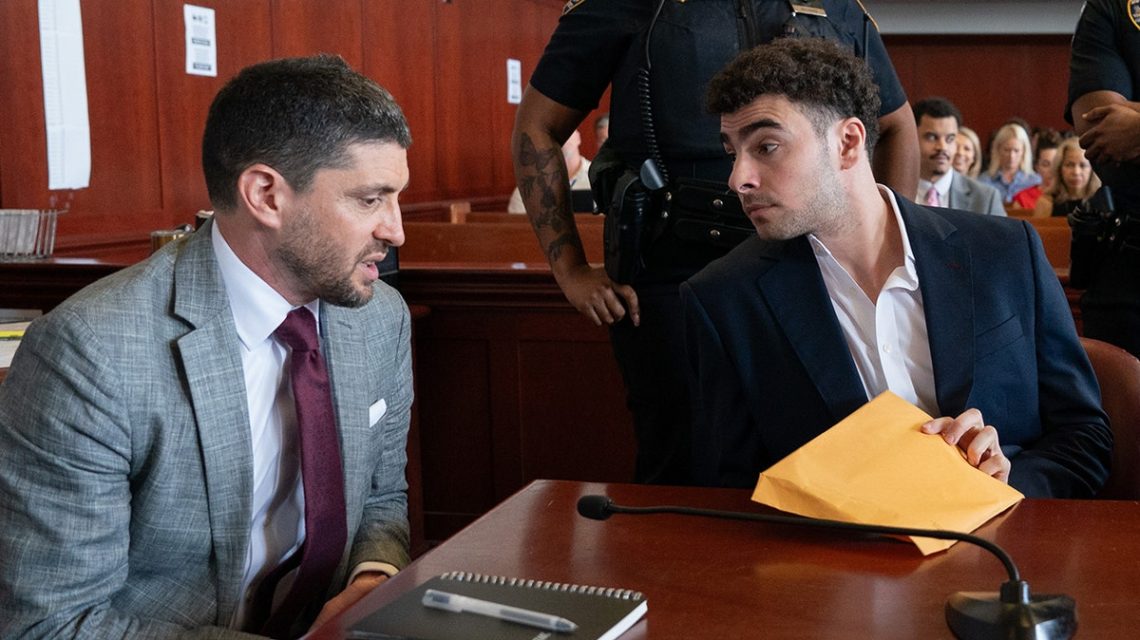
Luigi Mangione withdrew his planned psychiatric defense in the murder case of UnitedHealthcare CEO Brian Thompson. This decision came hours before he needed to provide prosecutors with more information on his mental condition. Mangione’s lawyers informed the court of their decision through a brief letter to Judge Gregory Carro, yet offered no explanation.
Randolph Rice, a Maryland-based attorney observing the case, speculates that this choice might reflect Mangione’s own thoughts. Rice suggests Mangione might have reconsidered as he faces additional charges in federal court.
“He might have had a change of heart and said, ‘Wait a second, I’m going into state court. I’m admitting that I did this. How is this going to play when I’m facing even more serious charges in federal court in January of next year?'” Rice mentioned to Fox News Digital.
The decision to forego this defense would have required Mangione to concede that he shot Thompson, opening the possibility of a reduced charge under New York’s extreme emotional disturbance law. This would reduce the charge from murder to manslaughter, potentially shortening a life sentence to five to 25 years.
High-profile criminal defense attorney James Leonard previously described pursuing this strategy as risky. “They are basically telling the jury that Mangione committed the murder, but here is why he did it,” Leonard explained. He noted that a defense win would hinge on the jury accepting their argument.
Rice believes federal considerations influenced Mangione’s decision. A federal trial looms, and it is unclear how a state defense would impact that trial. Federal law lacks an equivalent to New York’s emotional disturbance defense.
Prosecutors claim Mangione meticulously plotted Thompson’s murder for months. They allege that he documented his thoughts and traveled extensively before committing the act. They describe the murder as politically motivated.
Legal observers anticipate more twists in the case, reflective of its complex nature. They noted that Mangione’s withdrawn defense could have centered on emotional disturbance, arguing a loss of self-control at the time of the incident.
Rice expresses confidence that more changes will occur in this dynamic case. He and others closely following the proceedings expect neither the defense nor prosecution to remain static as it progresses.