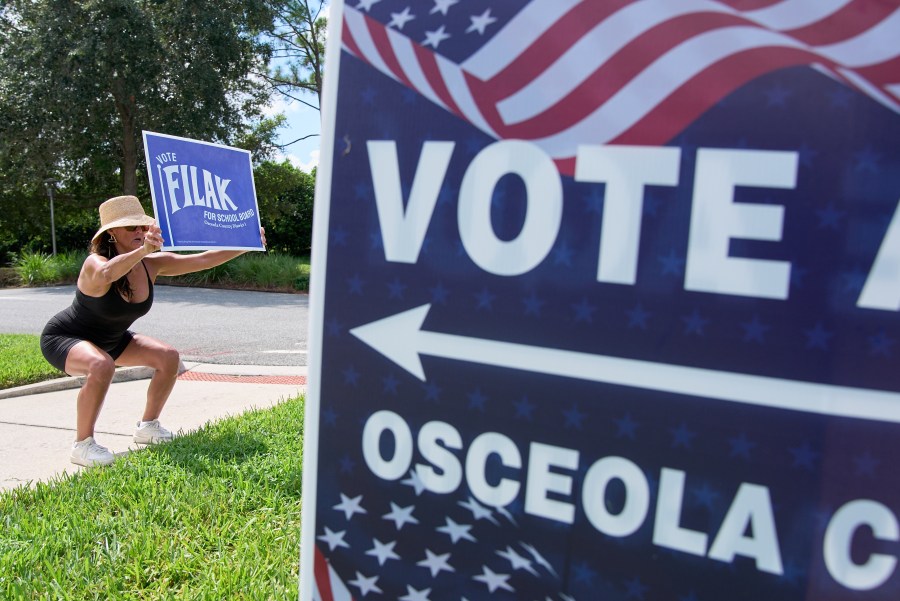
As election season approaches, understanding the rules around campaign materials at polling locations is essential. Supporting a candidate publicly might affect your voting experience if you display campaign apparel while voting.
Campaign Apparel Restrictions
Over half of U.S. states restrict voters from wearing campaign clothing at polling places. Additionally, nearly all states prohibit signs, banners, or campaign literature near voting sites, according to the National Conference of State Legislatures (NCSL). These measures aim to ensure polling places remain neutral, preventing any intimidation or pressure on voters.
Quinn Yeargain, associate professor of law at Michigan State University, emphasizes these rules are not meant to restrict free speech but maintain a neutral atmosphere for voting.
Limitations by State
Twenty-seven states enforce regulations against campaign apparel. For example:
- Michigan, Minnesota, and Texas have clear prohibitions.
- Vermont voters must cover candidate-related attire.
- In Colorado, Louisiana, and Nebraska, voters cannot wear items pertaining to a candidate or ballot measure.
- Delaware, Georgia, Oklahoma, and other states disallow campaign gear at polling places.
Other states with similar restrictions include Arkansas, California, Hawaii, Indiana, Kansas, Maine (allows small buttons), Massachusetts, Montana, Nevada, New Jersey, New Mexico, New York, North Dakota, Ohio, Rhode Island, South Carolina, and Tennessee. Maryland and Iowa permit campaign-related clothing, but voters must leave immediately after voting.
New Hampshire provides exceptions for voters unable to remove or cover electioneering messages. Alabama advises against loitering with campaign materials. Pennsylvania prohibits campaigning or urging support inside polling places.
Proximity Rules for Electioneering
Many states have regulations to prevent electioneering near polling locations. Examples include:
- Massachusetts and Georgia restrict campaigning within 150 feet.
- Nebraska enforces restrictions starting at 200 feet.
- In Idaho, the limit is set at 250 feet, while Oklahoma sets it at 300 feet, and South Carolina at 500 feet.
- Louisiana has a 600-feet restriction.
- Pennsylvania requires campaigning to occur at least 10 feet from the voting room entrance.
- Maryland mandates restrictions “as near as practicable” to 100 feet from entrances.
- Colorado prohibits campaigning within 100 feet of polling locations.
New Hampshire law specifies “no-electioneering corridors” with a minimum width of 10 feet stretching from polling entrances.
Before voting, confirm specific campaign rules at or near your polling site to ensure compliance.
Understanding these restrictions can prevent complications when exercising your right to vote.
 Mayor Mamdani’s Policing Reform Plans
 Gen Z Voter Shifts and Their Impact on the 2026 Midterm Elections
 Disappearance of US Senate Candidate Raises Questions
 DOJ Rule Change Reduces Appeal Time for Immigrants Facing Deportation
 Hakeem Jeffries’ Bid for House Speaker Faces Progressive Hurdles
 Ohio Judge Dismisses Defamation Lawsuit by Rep. Max Miller