
Family estrangement is on the rise. Experts are examining what drives this trend. A 2025 YouGov survey found that 38% of U.S. adults are estranged from a family member such as siblings, parents, children, or grandparents. Dr. Richard L. Blake, a British psychologist based in Austin, Texas, who specializes in family estrangement, highlights five key factors behind these fractured relationships.
Political and Value Differences
A study involving over 2,000 mother-adult child relationships identified ‘value dissimilarity’ as a strong predictor of estrangement. Political values and gender ideology often play significant roles. Differences in beliefs can cause deep rifts, sometimes even more than serious offenses.
Social Media Influence
High social media usage correlates with poorer parent-child relationships. A study of nearly 9,800 teens showed that spending over two hours daily on social media led to negative family dynamics. Social media can normalize estrangement through viral stories and ‘word-of-mouth mimicry.’ Blake suggests that society’s move from ‘dignity culture’ to ‘victim culture’ encourages victim status creation, providing a rationale for family cut-offs.
Therapy Culture
‘Therapy culture’ influences perceptions of parental relationships. Some justify estrangement as a means to protect mental health, which Blake considers a misconception. Research supports family relationships as barriers against mental illness. The Minnesota study of twins showed biological connections often trump upbringing by adoptive parents. A 2024 study found estrangement linked to lower life satisfaction. Such findings suggest estrangement negatively impacts both parents and children.
Communication Breakdowns
Communication style in conflicts influences potential estrangement. Listening and paraphrasing can help, serving as ‘hostage negotiation’ tactics during disputes. Avoiding ‘moralized language’ like ‘abuse,’ ‘toxic,’ and ‘narcissists’ facilitates productive dialogue. Blake advises using ‘I’ statements over ‘you,’ and avoiding absolutes like ‘always’ and ‘never.’
Outside Influences
External factors such as romantic partners and evolving parenting philosophies affect family ties. Partners often impact men’s family views, as illustrated by public figures like Brooklyn Beckham and Prince Harry. Conflicting approaches to child-rearing between adult children and grandparents might cause friction. Blake observes significant changes in parenting styles, attributing contemporary mental health issues to permissive parenting. He suggests learning from older generations instead of therapists.
For story tips, contact Melissa Rudy of Fox News Digital.
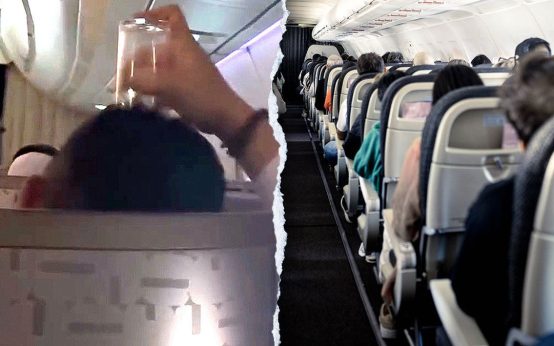 Unusual In-Flight Behavior Leaves Passengers Stunned
 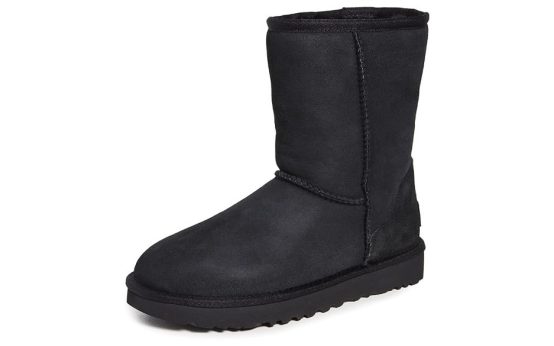 Choosing the Perfect Ugg Boots for Comfort and Style
  Understanding Food Safety: Tips for Preserving Groceries
  Royal Caribbean Cancels Costa Maya Stop, Divides Passenger Opinions
  Triton College Hosts Trunk-or-Treat in Space Event
  Fall Activities and Entertainment Options in Southern California