Amid a surge in cyclosporiasis cases in the United States, consumers are concerned about the safety of consuming fresh produce. Health experts caution that while no fresh fruits or vegetables are completely risk-free, certain foods are lower risk due to their method of cultivation and preparation.
Current Situation
The Centers for Disease Control and Prevention (CDC) are investigating numerous cases of cyclosporiasis across at least 31 states. Symptoms such as watery diarrhea, nausea, fatigue, and stomach cramps are typical, with some experiencing severe diarrhea lasting weeks if untreated. Past outbreaks often involved fresh produce like bagged salads, cilantro, basil, and raspberries.
Understanding Cyclospora
Cyclospora cayetanensis, the parasite causing cyclosporiasis, contaminates food and water with human fecal matter. Infection occurs when people consume contaminated sources. Unlike other foodborne pathogens, cyclospora requires environmental exposure before becoming infectious, linking outbreaks primarily to fresh produce rather than direct transmission.
The U.S. Food and Drug Administration (FDA) connects cyclospora with fresh fruits and vegetables worldwide, noting its resistance to common disinfectants.
Safe Food Practices
Given the association between fresh produce and cyclospora outbreaks through contaminated water or poor sanitation, experts advise cautious consumption rather than total avoidance. Fresh herbs, leafy greens, and berries are higher risk, typically eaten raw and difficult to clean thoroughly. Canning offers a safer alternative, utilizing heat to kill pathogens.
Low-Risk Fruits
- Bananas
- Citrus fruits
- Avocados
- Pineapples
- Watermelons
- Mangoes
These fruits have thick, inedible peels offering natural protection.
Cooking as a Precaution
Cooking is highly effective in neutralizing cyclospora. Therefore, favoring cooked vegetables like corn, green beans, peas (though raw pea pods have been linked to past outbreaks), squash, and cooked spinach can provide safer options.
Home-Grown Produce
While home gardening or sourcing from farmers’ markets might lessen contamination risks compared to commercial farming, it does not fully prevent cyclospora exposure. The parasite may be introduced through contaminated water, soil, or sanitation lapses. Employing drip irrigation can potentially reduce contamination for above-ground produce.
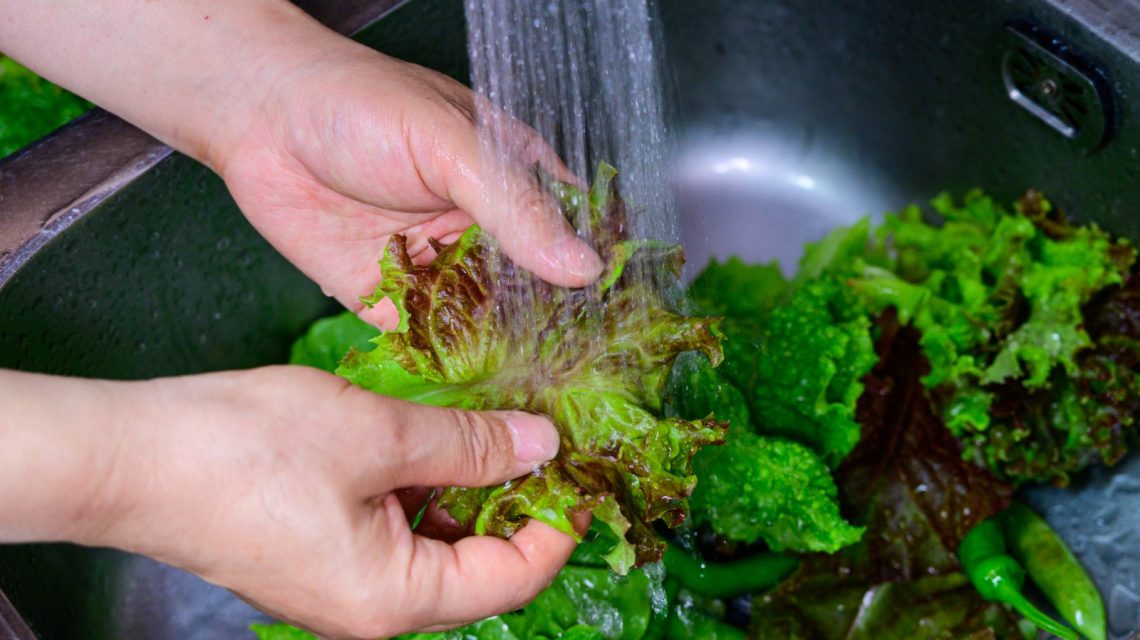
Consumers should wash produce under running water, refrigerate cut produce, avoid recalled food sources, and opt for cooked or canned foods when unsure about exposure risks.
Ongoing Investigations
Authorities have yet to identify the current outbreak’s source. Meanwhile, health agencies emphasize that consuming fruits and vegetables remains integral to a healthy diet.
 Increased Funding Needed for Psychiatric Hospitals
  Trump Administration Distributes ACA Refund Checks
  Higher Consumption of Ultra-Processed Foods Linked to Increased Health Risks
  Understanding Inflammation: Myths and Facts
  Calm Parenting: Strategies to Manage Stress
  Trump’s Executive Order to Combat Mosquitoes and Ticks in D.C.