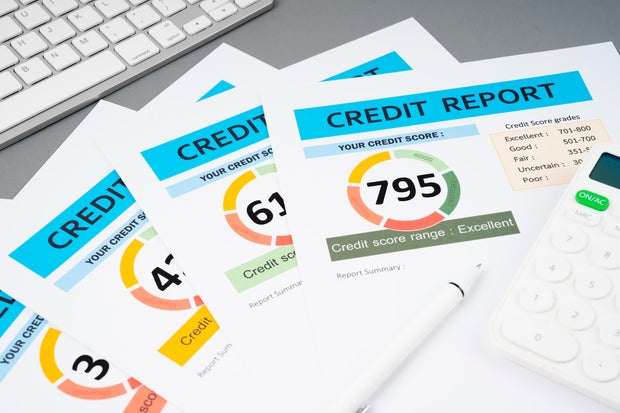
Coming up with the funds to settle a collection debt balance often demands significant time from many borrowers. This is especially true once additional fees and interest accumulate. With household debt at an all-time high and budgets strained by increased borrowing costs, reducing a debt to zero can feel like a major accomplishment. However, the effects on credit from missed debt payments don’t always align with the resolution of the debt itself.
Credit reports track how you manage accounts over time, and credit scores respond based on reported information and the scoring model used. Thus, borrowers who clear their debts might face unexpected outcomes. If you’ve recently settled a collection account or are planning to do so, understanding how such payments affect your credit profile is crucial.
Does Paying a Collection Debt Affect Your Credit?
Settling a collection account doesn’t necessarily eliminate it from your credit reports. Usually, this type of account can stay on your reports for up to seven years from the initial delinquency date. This initial date refers to when the account first became delinquent and wasn’t made current again. Paying the debt doesn’t reset this seven-year clock.
The account’s status changes, though. After payment, the collector should update your credit report to show a zero balance and indicate the debt is paid. This update is significant, but not all credit scores will immediately improve.
Current scoring models like FICO Score 9 and 10, along with VantageScore 3.0 and 4.0, typically don’t consider paid collection accounts. However, older scoring systems might still include them, meaning your credit’s response depends partly on the model a lender uses. Additionally, any adverse history before the account went to collections, such as delinquencies, could remain on your reports for up to seven years.
For medical collections, the situation differs. The three major credit bureaus don’t include paid medical debts on credit reports, and medical debts initially reported under $500 are also excluded.
After payment, reviewing your credit reports is wise to ensure the collection status is current. Updates may take a month or two. If a collection account still shows a balance, you can challenge the inaccuracies with the credit bureaus.
Handling Other Collection Debts
Paying one collection account resolves that specific debt, but broader debt issues might deserve more attention. For several delinquent accounts heading toward collections, a wider debt relief strategy could help.
Debt forgiveness or settlement may be an option. Negotiating to settle debts for less than what’s owed can reduce significant unsecured balances. This approach typically requires delinquency, impacting credit and leaving lasting marks on reports.
A credit counseling agency might offer a debt management plan if you can repay what you owe but need better terms. Typically, you pay the agency monthly, who then pays creditors under negotiated agreements.
If you still qualify, debt consolidation could merge high-interest debts into one lower-interest loan. This can ease repayment and cut interest costs, but the financial benefits depend on the loan’s conditions.
Conclusion on Debt Payment Effects
Settling collection debt is a financial milestone, yet it doesn’t erase credit history instantly. Collection entries may persist on credit reports for up to seven years from the initial delinquency date. Whether the collection affects scores depends on the scoring model used.
If a paid collection is part of a broader debt issue, exploring debt relief options might be beneficial. Stabilizing finances promptly helps further distance your credit profile from past challenges.