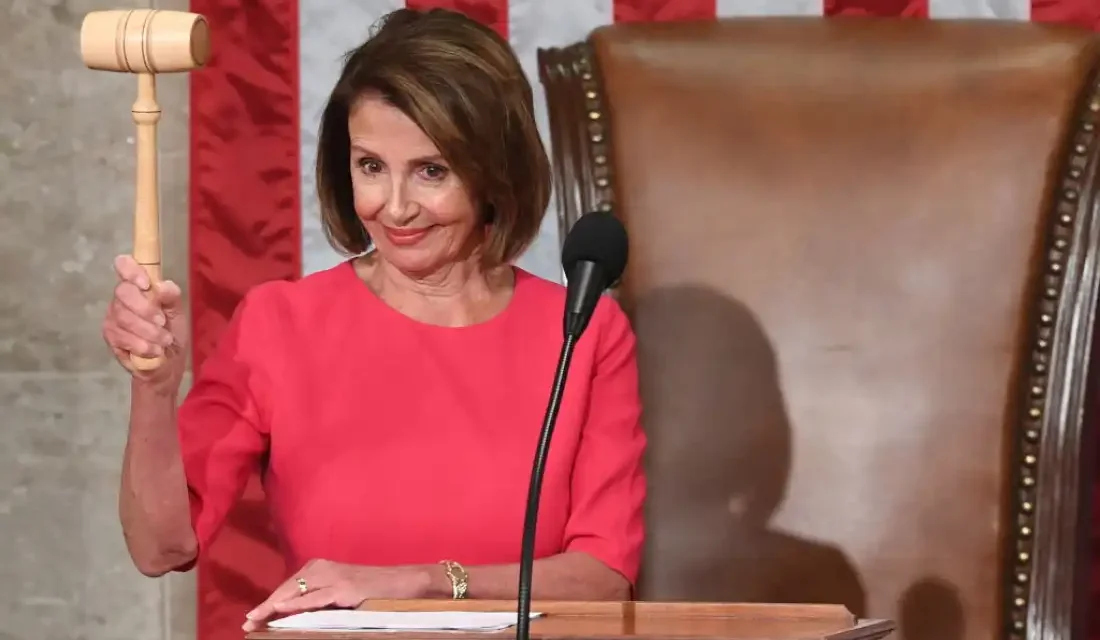
Nancy Pelosi, a Democrat from California, assumed the role of Speaker of the U.S. House of Representatives during the initial session of the 116th Congress on January 3, 2019. Her presence with the gavel marked an important moment in politics.
The 2020s, unlike previous decades, have yet to witness a crucial midterm election. Historically, every decade in the past century has seen at least one impactful midterm election that shaped Congress and national politics. These elections often bring changes to state power dynamics, influencing both state and national political structures.
Midterms generally see lower voter turnout compared to presidential elections. Without the spotlight on the White House, “low propensity voters” often abstain, reducing vote totals by approximately one-third. Still, midterm voters elect the same number of congressional members and state legislators as in presidential election years. Midterms also determine around two-thirds of the nation’s governorships.
Significant midterms often occur during a president’s second term, coinciding with decreased popularity and political vigor. Presidents, despite not being on the ballot, remain influential in these elections. Historically, opposition parties leverage midterms as a chance to gain ground while the president’s supporters may be less motivated.
History of Impactful Midterm Elections
In past decades, certain midterms have been pivotal. Following the Wall Street Crash of 1929, the 1930 midterms ended Republican dominance, with losses of eight Senate seats and 52 House seats. This change paved the way for Democratic control and ushered in a new political era through the Great Depression and beyond World War II.
Significant changes continued through midterm elections in subsequent decades. For instance, the midterm of 1946 saw Republicans regain control after significant losses during FDR’s administration. Dwight Eisenhower’s tenure in the 1950s demonstrated how midterms could limit a president’s control, as seen in the 1958 elections when Republicans lost significant Senate seats.
Political Reversals in the Mid-20th Century
The 1960s and 1970s further illustrated midterm impacts. In 1966, Republicans regained momentum, influenced partly by dissatisfaction over Vietnam, while 1974’s elections reflected backlash from the Watergate scandal, significantly harming the GOP.
The Reagan era in the 1980s underscored these dynamics. Despite dominating initially, midterms eventually saw Democrats regain control, influencing legislative developments, including rejecting Supreme Court nominations and overriding presidential vetoes.
Midterm Dynamics in Recent History
The 1990s and 2000s continued the trend of midterms restructuring power balances. Bill Clinton faced a harsh midterm in 1994, resulting in a major Republican win. Similarly, after initial strength post-9/11, George W. Bush experienced a significant loss in 2006, partly due to the Iraq War.
Barack Obama saw a similar midterm setback in 2010, responding to both economic conditions and the Affordable Care Act’s controversies. Despite winning a second term, his midterm losses influenced political dynamics, leading to a divided Congress.
The Future of Midterms
As the 2020s progress, the potential for a profound midterm outcome remains. With only two midterms in this decade, the anticipation builds for November 3. Economic issues and perceptions of incumbent performance stand crucial, with predictions suggesting potential shifts in congressional control favored towards the Democrats.
The historical pattern of impactful midterms, highlighting shifts in power and political momentum, suggests that substantial changes could yet occur, affecting the political landscape for years.
 Mayor Mamdani’s Policing Reform Plans
 Gen Z Voter Shifts and Their Impact on the 2026 Midterm Elections
 Disappearance of US Senate Candidate Raises Questions
 DOJ Rule Change Reduces Appeal Time for Immigrants Facing Deportation
 Hakeem Jeffries’ Bid for House Speaker Faces Progressive Hurdles
 Ohio Judge Dismisses Defamation Lawsuit by Rep. Max Miller