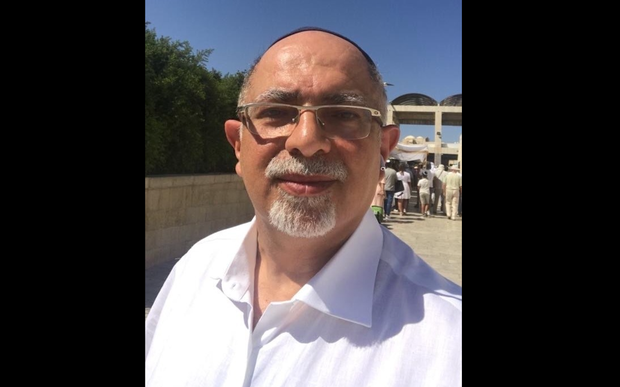
On August 7, 2026, CBS News received a recording from Evin Prison in Iran, featuring an update from U.S. citizen and journalist Reza Valizadeh. He previously contacted CBS News in June, and now, through his attorney Ryan Fayhee, he wants his latest statement released to the public.
Valizadeh is among five U.S. citizens currently trapped in Iran. Two of them, including Valizadeh, are held in Evin Prison. Three others face exit bans preventing them from leaving the country.
In this recording, Valizadeh discusses his situation and that of fellow American Kamran Hekmati, who was recently ordered back to prison after being on medical leave for less than 30 days. Despite needing treatment for recurring cancer, Hekmati was unable to access chemotherapy. Hailing from New York, the 62-year-old Jewish Iranian-American was arrested after the Israel-Iran war in 2025. The State Department classifies both Hekmati and Valizadeh as wrongfully detained.
Valizadeh, possessing dual Iranian and American citizenship, worked for Radio Free Europe’s Persian language service. He has been imprisoned in Iran since 2024 without family visit rights for five months, which he views as punitive measures.
He expresses concern over tuberculosis exposure within the prison, noting a lack of medical care for prisoners, an issue the Iranian mission at the United Nations did not comment on.
We, the prisoners of Evin Prison, have been denied access to the prison library and sports facilities for more than a year. Medical care in the prison is almost non-existent. Only basic medications are available. Medicines brought by families are often stolen by staff. The prison’s doctors are incompetent and unmotivated, causing prisoners to avoid seeking care unless necessary.
Diseases eradicated elsewhere are returning. A prisoner with tuberculosis symptoms, like coughing blood, went without hospital care for six months until he was near death. During that time, he lived with others, possibly spreading illness.
Poor prison food leads many prisoners to refuse meals. Recently, non-political prisoners, mainly financial crime convicts, have been transferred here. This seems intended to disrupt the unity of political prisoners and further crowd our spaces.
Even minor protests result in punishment, such as losing family visits. I haven’t seen my family for five months.
Valizadeh’s lawyer, Ryan Fayhee, urges the U.S. administration to prioritize releasing detained citizens in talks with Iran. To date, the administration has not confirmed discussing specific detainees’ cases, though they claim to be working diligently on securing releases.
 Dutch Review Board’s Euthanasia Ruling and International Debate
  Israeli PM Commends Heroic Actions in Flight Emergency
  Rabbi and Jewish Leaders Criticize Adam Brody for ‘Genocide’ Comment
  Flydubai’s Emergency Landing Highlights Cockpit Security
 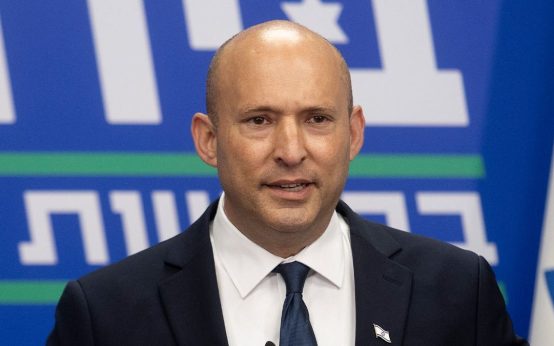 Former Israeli PM Naftali Bennett Commends Passengers and Crew for In-Flight Heroism
 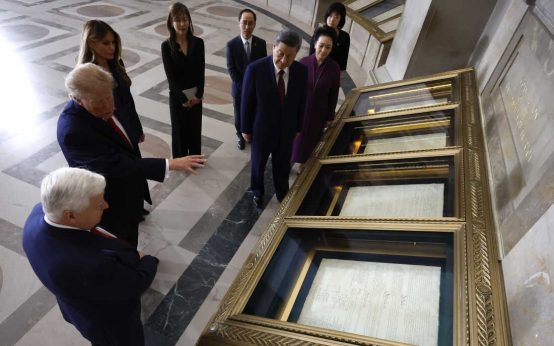 Diplomatic Complexities Unfold at U.S. National Archives Visit