Background of Negotiations
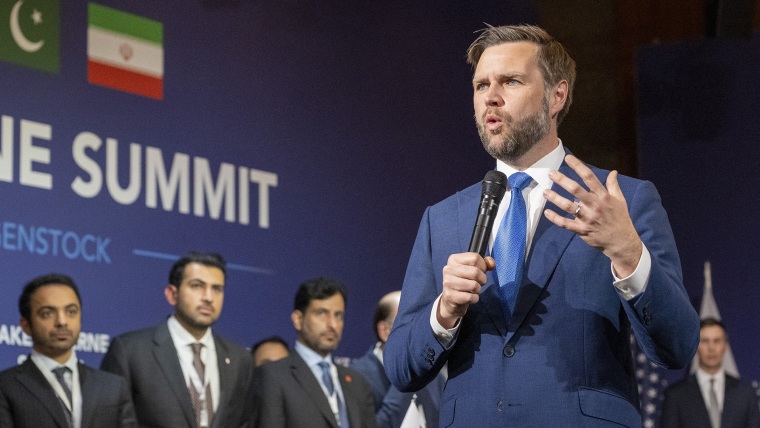
Vice President JD Vance recently headed to Switzerland for a new phase in US-Iran negotiations. The discussions are crucial, as previous talks faced several obstacles. The focus is on addressing issues surrounding sanctions, nuclear inspections, and regional security.
Comparison of Previous Agreements
Analysts frequently compare Trump’s Iran deal with Obama’s 2015 agreement. Critics note differences in oversight and inspection measures. Trump’s plan has faced backlash from allies, raising concerns over potential impacts on regional stability.
Recent Developments
Iran temporarily closed the Strait of Hormuz, citing ceasefire violations as a cause. In response, the US lifted the naval blockade of Iranian ports, aiming to ease tensions and facilitate constructive dialogue.
US Strategies and International Reactions
Trump’s administration released the text of a new agreement, sparking debate within political circles. Some Republican leaders voiced skepticism, while international observers closely monitor the impact on relations with Israel and Hezbollah.
Vance’s Role and Future Outcomes
VP Vance’s involvement is deemed pivotal as nuclear inspectors plan to return to Iran under the drafted terms to conclude hostilities. The negotiations may redefine international alliances and influence market stability.
 New Jersey Voter Fraud Prompts Renewed Push for SAVE Act
  Concerns Over Changes to Voter-Registration Form for Americans Abroad
  Trump’s 2024 Campaign Targets Young Men Through Cryptocurrency
  Trump’s White House Visitor Center Proposal Gains Bipartisan Support
  State Department Simplifies Passport Process with Online Applications
 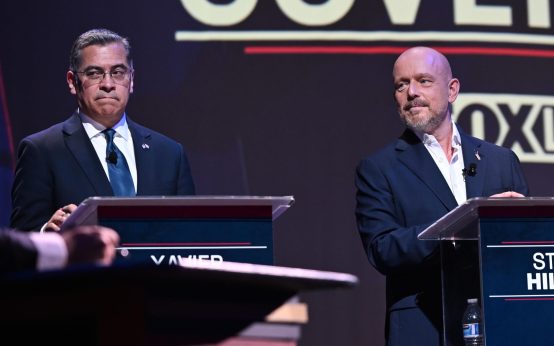 Becerra and Hilton Clash in California Gubernatorial Debate