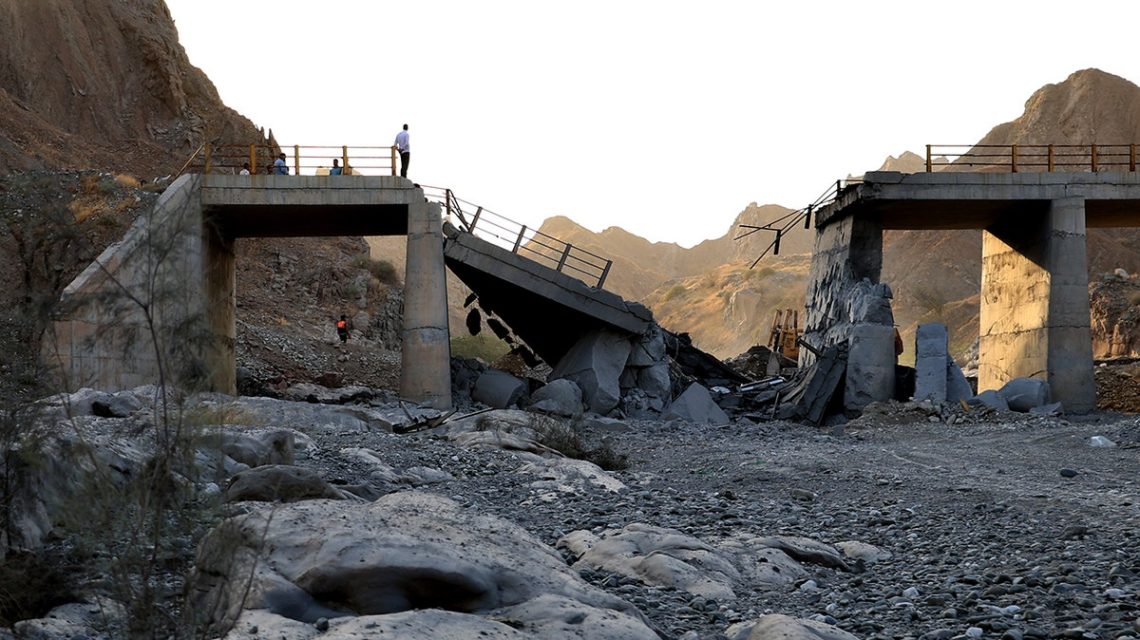
The United States has been in a prolonged conflict with Iran for decades. The current situation offers a chance to significantly impact Iran’s quest for regional control and challenge its threat to U.S. interests.
Economic and Military Tactics
President Donald Trump has taken steps to apply economic hardship on Iran. The Treasury Department has released measures to limit Iran’s access to oil revenue. These actions target Chinese, Indian, and other international oil brokers and tanker operators. Efforts are also made to disrupt Iran’s “shadow fleet” and covert financial networks.
The U.S. Navy enforces a blockade of Iranian ports with over 20 warships and military aircraft. These efforts cost Iran millions in daily losses. Large-scale airstrikes aim to weaken the Islamic Revolutionary Guard Corps (IRGC) and other military targets in Iran.
Diplomacy and Military Efforts
Diplomatic efforts, supported by countries like Pakistan and Qatar, aim to negotiate a sustainable ceasefire. However, Iran’s resistance, evidenced by its actions in the Strait of Hormuz, suggests diplomacy might not end the conflict. Iran’s army generals often defy agreements, similar to their actions post-2015 nuclear deal.
Impact on Iran’s Economy and Governance
The economic strategy has severely damaged Iran’s economy, which was already struggling with mismanagement and corruption. Since 2018, widespread protests erupted, leading to brutal government crackdowns. Thousands of protestors were killed, showing the regime’s weakness and fear.
Iran’s leadership faces disorder. Supreme Leader Ayatollah Ali Khamenei and senior military leaders were killed during initial operations, leaving IRGC generals in control. These generals often clash with civilian authorities trying to negotiate with the U.S.
Potential for Change
The Iranian regime is under pressure from its populace and external forces. The possibility of internal uprising remains as the economic crisis worsens. Concerns about security forces’ loyalty and potential government collapse loom.
Should the current regime fall, regional instability could follow. Nonetheless, the administration’s strategy, focusing on economic sanctions and military action, aims to weaken Iran’s ruling structure. Supporting internal activists in Iran could also contribute to significant change.
Ludovic Hood comments on the situation from his experience as a diplomat with assignments in the Middle East. He is a senior fellow at the Hudson Institute.
 California Voters to Decide on $7.5 Billion State Research Fund
 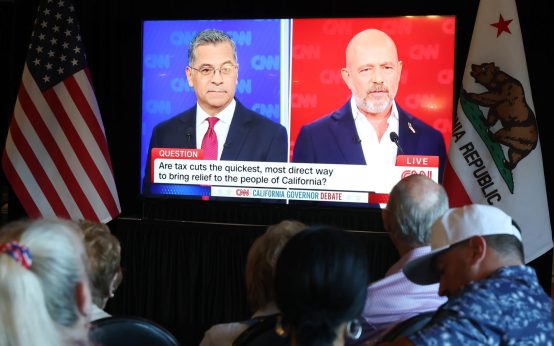 Highlights from the California Gubernatorial Debate: Becerra vs. Hilton
 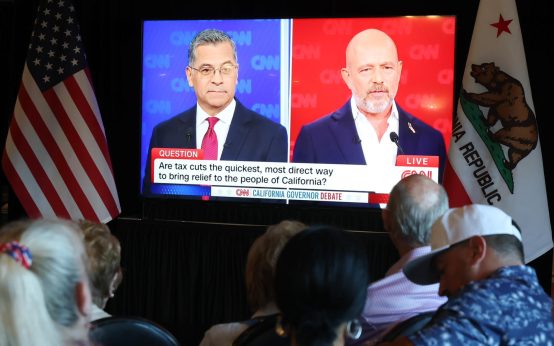 Becerra vs. Hilton: The Debate and Key Issues in the California Governor Race
  Senate Confirms New Labor Secretary
 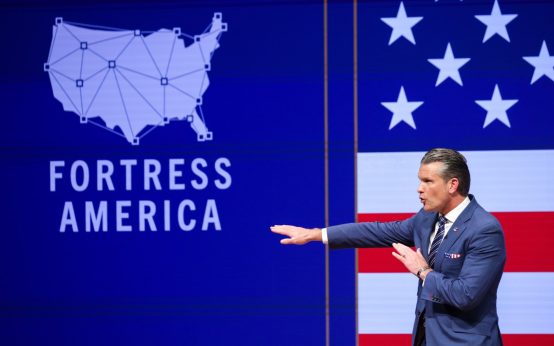 Hegseth’s Ambitious Military Initiatives to Reshape Warfare
  Pete Davidson Criticizes NYC Mayor Zohran Mamdani Over BQE Construction