
The United States military announced an incident on Friday where they fired upon another merchant vessel attempting to breach their blockade of Iranian ports. This comes as Iran launched attacks on US strongholds around the Persian Gulf. The ongoing conflict shows no signs of de-escalation after thirteen consecutive nights of attacks. Both nations seem to be moving towards a potential escalation as diplomatic efforts remain stalled.
US embassies across the Middle East began warning Americans in the region that options for departure could become limited. Meanwhile, Iran’s Revolutionary Guard advised residents of neighboring countries to avoid areas housing US troops. In a related development, Saudi Arabia conducted an offensive against Yemen’s port city of Hodeida in response to Houthi attacks on Saudi oil tankers in the Red Sea. The Houthis, backed by Tehran, announced they would intensify their actions after weeks of rising tensions that have disrupted years of stability.
The US forces disabled the vessel M/T Lavine in the Gulf of Oman after it attempted to break the blockade on multiple occasions. Central Command spokesman Captain Tim Hawkins commented that several warnings were issued to the crew, who ignored them, prompting military action on their engine room. This marks the second commercial vessel neutralized since the US reinstated the blockade, and twelve vessels have been redirected.
Upon reenacting the naval blockade, US forces also reported firing on the Curaçao-flagged tanker Belma heading toward Kharg Island, Iran’s main oil export terminal. After the vessel ignored multiple warnings, a US aircraft incapacitated it on July 15. Earlier on Friday, President Donald Trump termed the negotiations with Iran as “the most serious we’ve seen” despite ongoing daily attacks from both sides. Trump stated he was in no rush to conclude the conflict. Iranian Foreign Minister Abbas Araghchi assured that Iran would not yield to US pressure and acknowledged ongoing talks with China and Russia, indicating that Iran wouldn’t be swayed by threats.
The Strait of Hormuz is a focal point in this conflict, being a vital conduit for global energy supplies now de facto closed by Iranian attacks. This blockade has driven up fuel prices and caused widespread economic unrest. In northern Iraq’s city of Irbil, where a small US military contingent is stationed, five explosive-laden drones were reportedly intercepted by US-led forces. Several explosions were witnessed, and black smoke was seen in proximity to the US forces stationed at Irbil airport.
The Iranian Revolutionary Guard claimed to have targeted the American base in Kuwait, causing fires and damage to storage sheds and surveillance towers. US Central Command did not comment on these claims. Bahrain and Jordan reported intercepting Iranian aerial assaults. Within Iran, US military actions reportedly targeted Revolutionary Guard naval bases, drone-equipped boats, as well as air and nuclear facilities in regions like Qeshm Island, Isfahan, and other provinces.
The US aims to reopen the Strait of Hormuz, a vital artery for nearly 20% of the world’s traded oil and gas during peacetime. With Houthi attacks on Saudi oil tankers in the Red Sea, Iran gained negotiation leverage, as closing the Bab el-Mandeb Strait could severely disrupt maritime trade routes critical for Middle Eastern oil transport.
The economic impacts are evident with Brent crude prices now significantly above pre-war levels. In response to vessel attacks, Saudi Arabia issued warnings of potential retaliation against Houthis. President Trump threatened severe military consequences should Houthi attacks persist.
Apart from economic repercussions, the human cost is mounting. Over 3,400 people have died in Iran since the conflict began, according to Iranian health officials. The International Maritime Organization reported about 6,000 sailors stranded on various ships around the Strait of Hormuz, facing dire conditions without essential supplies. The UN has called for immediate action to assist these mariners.
No progress has been made in diplomatic negotiations. Efforts by Oman to mediate between the US and Iran continue, with a diplomatic delegation visiting Tehran to discuss Strait of Hormuz maritime management. Iranian officials continue to assert that a change in US policy is needed to resolve the conflict.
The US and Israel’s attacks on Iran on February 28 were justified by shifting objectives, including toppling Tehran’s government and ending its nuclear pursuits. Israel’s readiness to reengage in the conflict was underscored by Prime Minister Benjamin Netanyahu’s upcoming US visit for talks with President Trump.
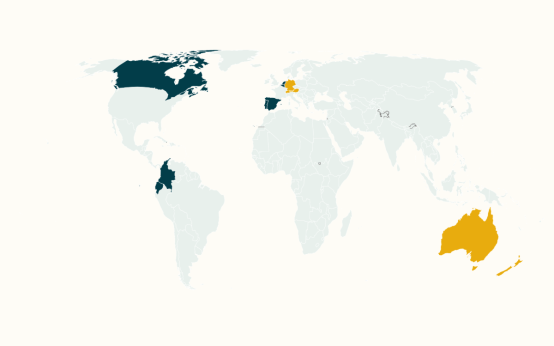 Dutch Review Board’s Euthanasia Ruling and International Debate
 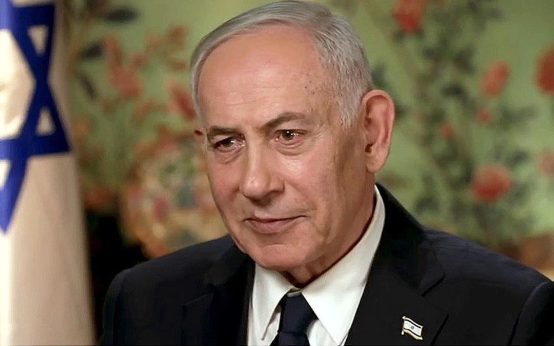 Israeli PM Commends Heroic Actions in Flight Emergency
  Rabbi and Jewish Leaders Criticize Adam Brody for ‘Genocide’ Comment
  Flydubai’s Emergency Landing Highlights Cockpit Security
 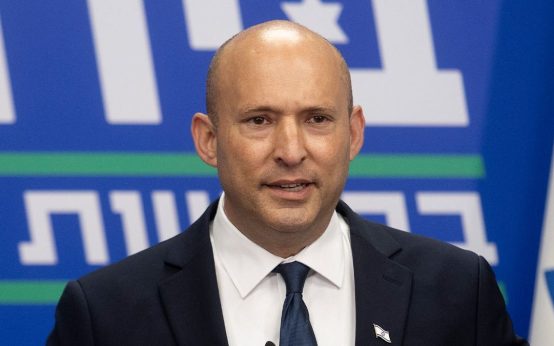 Former Israeli PM Naftali Bennett Commends Passengers and Crew for In-Flight Heroism
 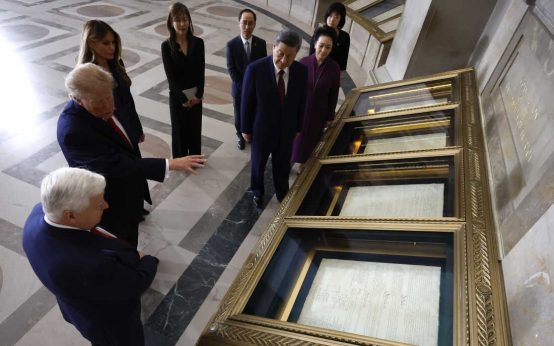 Diplomatic Complexities Unfold at U.S. National Archives Visit