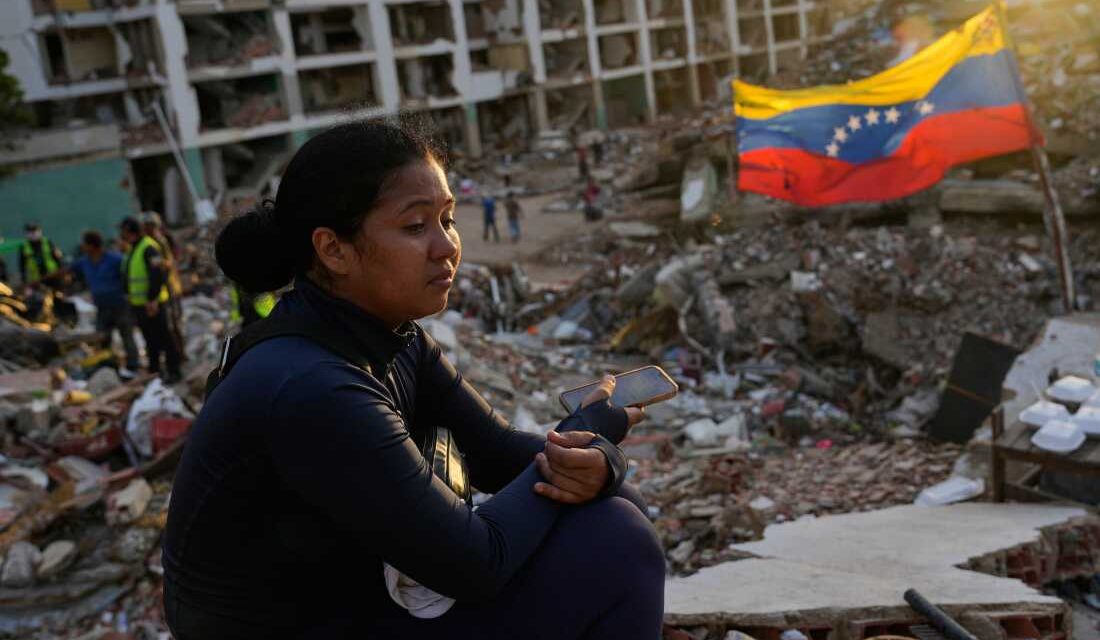
In Venezuela, the recent twin earthquakes have consumed national attention, leaving critical democratic processes on hold. Over 4,800 lives were lost, and more than 16,700 people were injured, according to Venezuelan government figures. This natural disaster has dominated efforts and delayed plans for the country’s return to democratic governance.
A protest in Caracas saw around 100 demonstrators urging for immediate free elections and calling for the release of political prisoners. Despite their efforts, authorities largely disregarded the protest, focusing instead on recovery efforts.
Political Paralysis Amid Crisis
Delcy Rodríguez, acting as the country’s leader, replaced Nicolás Maduro after U.S. troops seized him in January. Her administration is working closely with the Trump administration, prioritizing the revival of Venezuela’s oil industry over democratic initiatives. Critics argue that Rodríguez is using the state of emergency to sidestep commitments to an electoral timetable.
Political activist José Rolón expressed frustration with the regime’s delay tactics. “For them, it will never be the right time to discuss elections or a democratic transition,” he stated. Though some analysts advise caution, warning of biased institutions like the electoral council and supreme court which previously upheld Maduro’s disputed victory in 2024.
Rodríguez’s Leadership and Public Perception
Rodríguez faces immense unpopularity and criticism for a slow earthquake response. Political analyst Vladimir Villegas suggests she might avoid extending her tenure excessively, having seen Maduro’s fate—a New York prison cell due to drug-trafficking charges.
Despite initial talks about democratic transition, dialogues stalled post-earthquake. However, opposition leader María Corina Machado remains undeterred in her quest for free elections, shedding light on Venezuela’s readiness for an impartial electoral process.
Internal Opposition Dynamics
Venezuela’s opposition remains fragmented. Machado’s group, which boycotted previous legislative elections, often clashes with those who participated and hold minority positions within the current National Assembly. Her party, Vente Venezuela, faced persecution under the Maduro regime but is gradually regrouping, though many activists were jailed or went into hiding.
Recently released political figures, like Henry Alviarez, continue to face legal challenges, despite reassurances of political rehabilitation. “Our party faced persecution, but we are slowly regrouping,” stated Alviarez, the deputy leader of Vente Venezuela.
Future Prospects and Relief Efforts
Vente Venezuela’s activists are currently engaged in disaster relief, distributing medical supplies and essentials to affected regions. Yet, volunteers like Rosa Cucunuba stress that their commitment to political change continues unabated. “We must help with current needs, but we are committed to pushing for our freedom,” she affirmed.
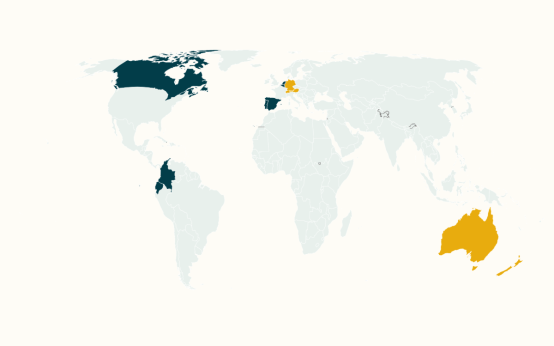 Dutch Review Board’s Euthanasia Ruling and International Debate
 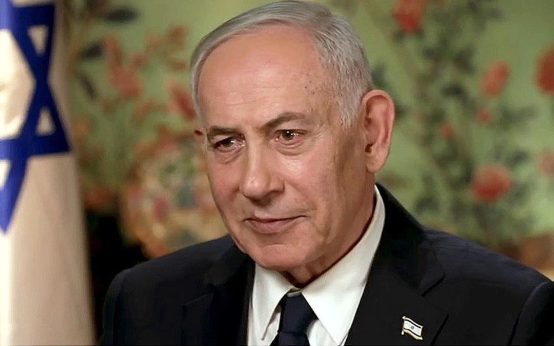 Israeli PM Commends Heroic Actions in Flight Emergency
 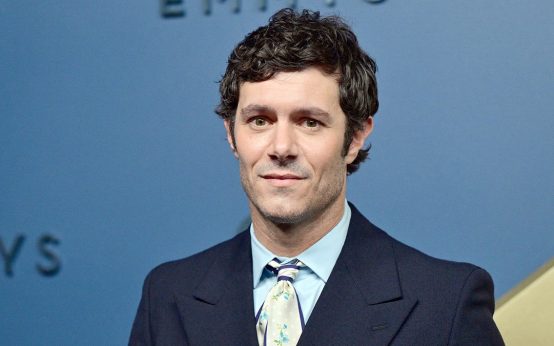 Rabbi and Jewish Leaders Criticize Adam Brody for ‘Genocide’ Comment
  Flydubai’s Emergency Landing Highlights Cockpit Security
 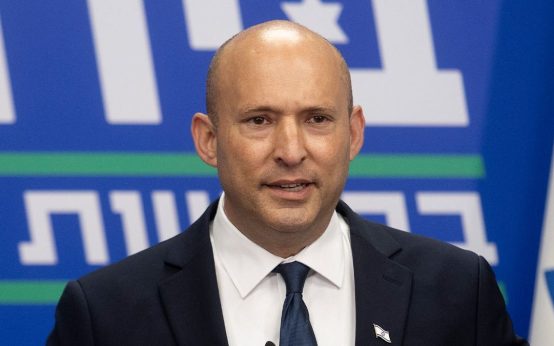 Former Israeli PM Naftali Bennett Commends Passengers and Crew for In-Flight Heroism
 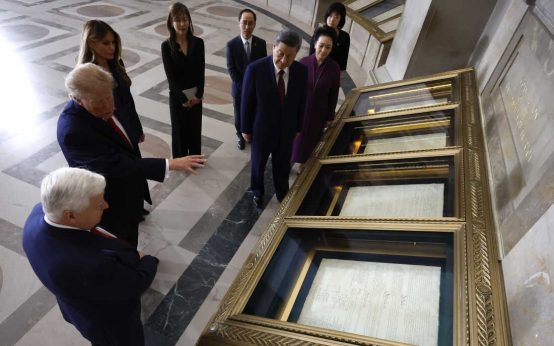 Diplomatic Complexities Unfold at U.S. National Archives Visit