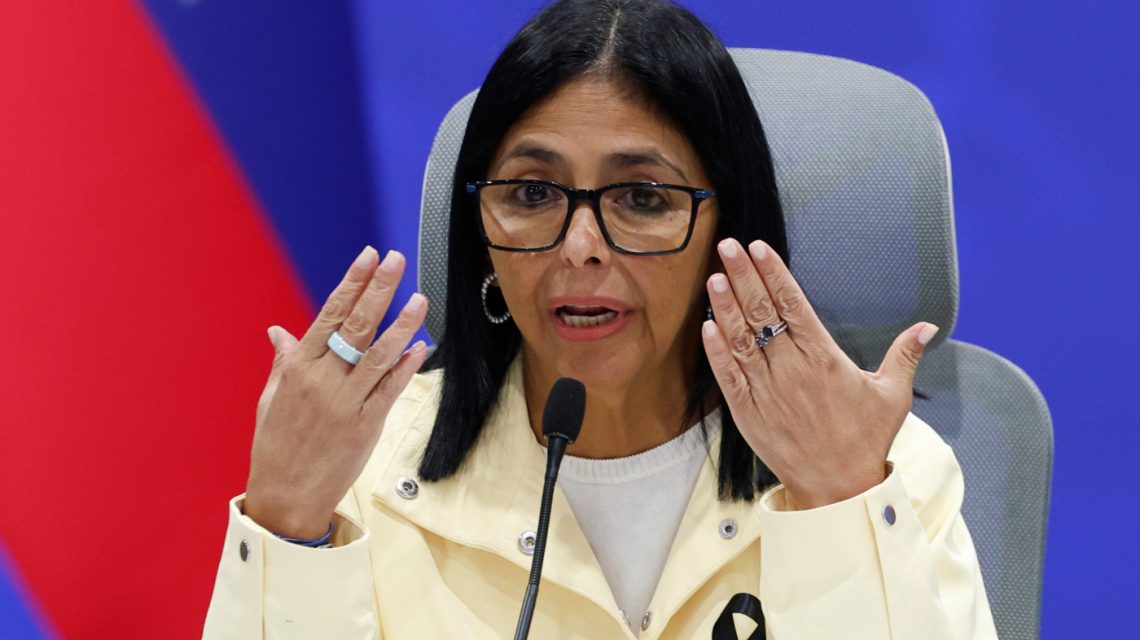
On Thursday, July 2, 2026, Venezuela’s acting President Delcy Rodríguez addressed the government’s efforts to respond to the recent earthquakes in Caracas. This marks a significant shift in the country’s diplomatic relations.
Historical Context
In June 2010, Venezuelan President Hugo Chavez strongly criticized Israel, labeling it as a terrorist state. Such remarks were reflective of the communist ideology upheld by figures like Delcy Rodríguez. However, the Venezuelan government has recently shown a marked shift in its stance towards Israel.
Changing Diplomatic Relations
Following the removal of Nicolas Maduro earlier this year, Venezuela has transitioned from celebrating Iran’s revolution to acknowledging Jewish traditions such as Passover. Rodríguez conveyed a message of peace during Passover, advocating for religious harmony and peace in Venezuela.
The country has distanced itself from its erstwhile ally, Iran. This was evident when it did not send an official delegation to Ayatollah Ali Khamenei’s funeral. Additionally, Ali Zaki Jalil, a Hezbollah agent on the run for 30 years, was extradited to Panama, marking a shift in Venezuela’s alliances.
Another significant action was the arrest and extradition of Alex Saab. The U.S. Justice Department accuses him of money laundering. Saab played a vital role in Venezuela’s ties with Iran and Hezbollah, raising concerns about the influence these groups had in Venezuela.
Nuclear Security and Humanitarian Aid
Venezuelan authorities handed over highly enriched uranium with the cooperation of the U.S. and the U.K., eliminating a long-standing security risk. Following recent earthquakes, Venezuelan officials welcomed a team from Israel to assist with relief efforts. According to Rodríguez, the contact was facilitated by the local Jewish community.
These efforts included a comprehensive national rehabilitation plan presented by the Israeli Defense Forces, illustrating Venezuela’s willingness to reshape its diplomatic landscape.
Reconstructing Relations
Israeli Prime Minister Benjamin Netanyahu acknowledged this change, highlighting the rebuilding of both physical structures and diplomatic ties. However, concerns linger over the true motives behind these shifts in alliances. The interim Venezuelan government appears to seek legitimacy and access to international support through Israel.
Despite these changes, the core demands of the Venezuelan people remain unfulfilled. These include the release of political prisoners, the safe return of Venezuelans in exile, and the organization of fair elections.
Arturo McFields, a Nicaraguan journalist in exile, raises these issues, noting the importance of a democracy-based foundation for Venezuela’s future reconstruction.
 British Police Arrest Man Suspected of Terror Plot
  Activists Push for Nationwide Ban on Child Marriage in the U.S.
  Investigation into Alleged Incident at Cornell University
  Rising Drone Threats Highlight Vulnerabilities in Moldova’s Airspace Defense
  Bolivia Faces Security Test Amid Unrest
 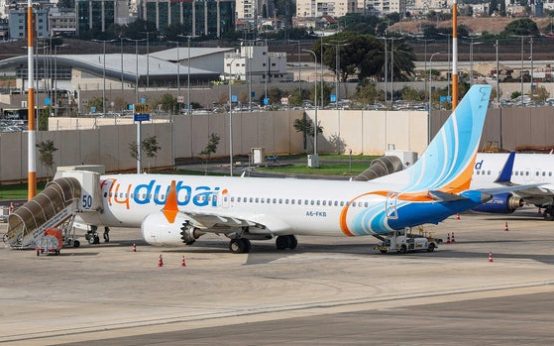 Incident on FlyDubai Flight Raises Security Concerns