Sexual Violence Linked to Water Scarcity in Kibera
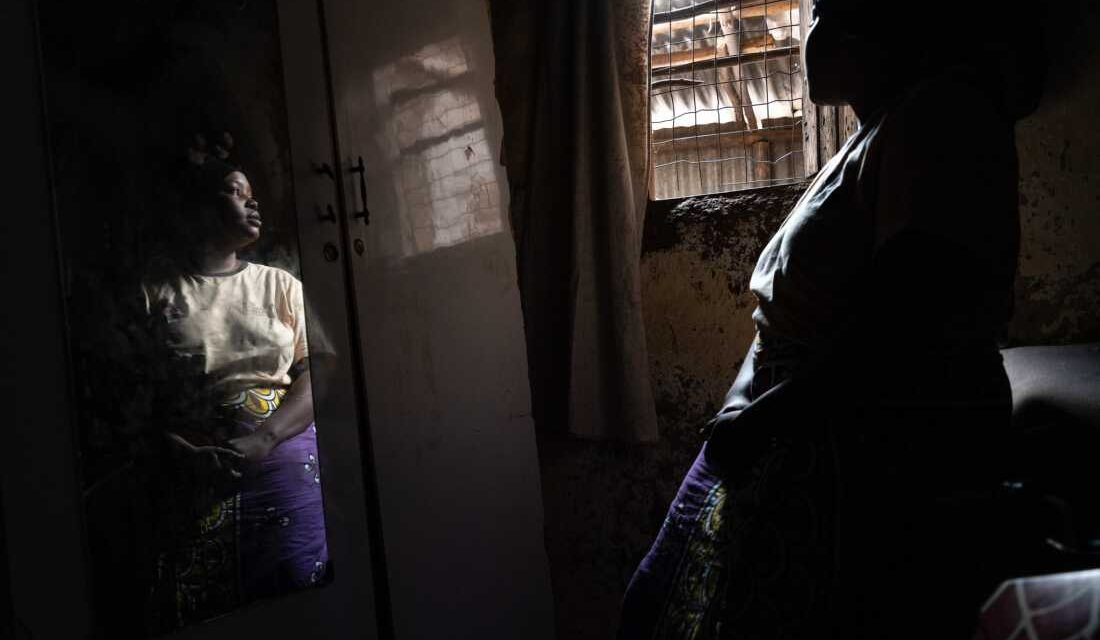
Zubedah Hassan, aged 32, operates as a champion for the Stop Sex for Water program from her home in Kibera. Her work is critical in encouraging women and girls to report sexual violence from water vendors or harassment in public bathrooms. She highlights the primary issue as being poverty. Girls often attempt to save money on water by bartering favors with vendors. Additionally, drought contributes to schoolchildren waking early to fetch water, placing them at risk of assault.
Saly Amutwayi, unlocking her small hair salon one morning, engages in a quiet conversation with her friend Mariam Hassan. In Kibera, Africa’s largest slum located near Nairobi, Kenya’s capital, women, including Amutwayi and Hassan, undertake water collection for their households. Both recount experiences of sexual violence in their quest for water. Amutwayi notes that the absence of water escalates dangers.
Dependency on Private Vendors
In Nairobi’s informal settlements, residents lack legal land titles and formal infrastructure, such as piped water. This dependency on private vendors to access water subjects women to potential harassment, assault, and coercion, including pressure to engage in ‘sextortion’ — exchanging sex for water. Hassan refrains from sending her 8-year-old daughter for water in the evening due to previous threats she faced. Education serves as a proactive measure for their children, providing insight into sexual harassment, a topic unaddressed by past generations.
Water Shortages Heighten the Risks
After over a decade of advocacy, the issue reached Parliament in 2024, marking a milestone for addressing gender-based violence that had been ignored. Kenya’s Constitution ensures clean water access, but Kibera suffers from unreliable public water supply, forcing residents to purchase water by jerrycan at kiosks, street carts, or storage tanks. Prices fluctuate, straining household finances, especially during droughts, which escalate sexual violence risks.
Water shortages increase prices and lead to rationing. Amutwayi recounts an attempted assault when unable to pay the full price for water. Her screams attracted neighbors, who came to her aid, preventing her attackers from proceeding. Despite the encounter, she did not report the incident, a decision influenced by advice from concerned neighbors.
“Nobody here has been held to justice,” Amutwayi reflects.
Similarly, Hassan recounts narrowly escaping a rape attempt after a man lured her under the pretense of shorter queues, only to lead her to his home. Fear haunts both women, with Hassan admitting sharing the incident only with her brother, fearing her mother’s reaction.
Pressures and ‘Sextortion’
Local organizations like KEWASNET run initiatives supporting survivors of water-related abuse through the Stop Sex for Water program, advocating for justice. Amid water scarcity, women face coercion to provide sex for water, exacerbated by drought conditions. Drought contributes to sporadic water deliveries, increasing vulnerability.
Joan Kones, a project lead at KEWASNET, asserts, “Sextortion thrives where services are scarce and accountability is weak.”
The Challenges of Reporting Incidents
Malesi Shivaji from KEWASNET addresses hesitancy among survivors to report incidents due to fear of retaliation, stigma, and doubts over police intervention. In Kibera, where survival intertwines with abuse, speaking out renders survivors perceived negatively.
Community health promoter Judith Shitabule offers counseling, encouraging women to understand their rights. Yet, ‘saying no’ is challenging when families depend on water. Water scarcity delineates a broader national issue, affecting 19 million Kenyans, predominantly in rural and informal urban areas.
Exploitation and Legislative Efforts
Kenyan Parliament has acknowledged issues stemming from water scarcity as gender-based violence. However, lacks specific laws against sextortion. Lawmaker Esther Passaris petitioned for a new law, but efforts were thwarted, with applicability limited under current laws.
Cartels dominate water distribution in Kibera, exploiting weak governance and holding substantial power. Wycliffe Otiala, a cartel leader, confirms unethical practices among vendors, acknowledging abuses.
National surveys document widespread corruption, with police ranked as the most corrupt institution, compounding the challenges faced by residents. Cartels operate with apparent immunity, exemplifying unchecked power.
Marginalization of Transgender Individuals
Water scarcity poses enhanced risks for marginalized groups, including transgender individuals. One anonymous transgender man shares experiences of routine harassment and discrimination, often denied water access.
“It’s hard being transgender here,” he emphasizes, confronted with disparaging remarks and denied basic services.
Human rights organizations highlight elevated barriers faced by transgender people regarding water and sanitation access, worsened by violence and discrimination.
Hopes for Safety and Change
Amutwayi and Hassan emphasize the need for safety and change for future generations. Hassan prioritizes her daughter’s education as a means to transcend prevailing vulnerabilities.
This investigation is part of the Pipe Dreams project, illustrating the impacts of water scarcity on women across Kenya, led by DAWNING with a collaborative team, significantly comprised of Kenyans.
 Navigating Grief After a Sibling’s Overdose
  Tragedy and Immigration: The Impact on a Family
  The Journey of a Fox News Correspondent: From Infectious Diseases to On-Air Reporting and Beyond
  Midwest Underground Railroad Network Gains National Recognition
  Journalist Jodie T. Allen Passes Away at 88
  American Hagwon: A Tale of Family and the Korean Diaspora