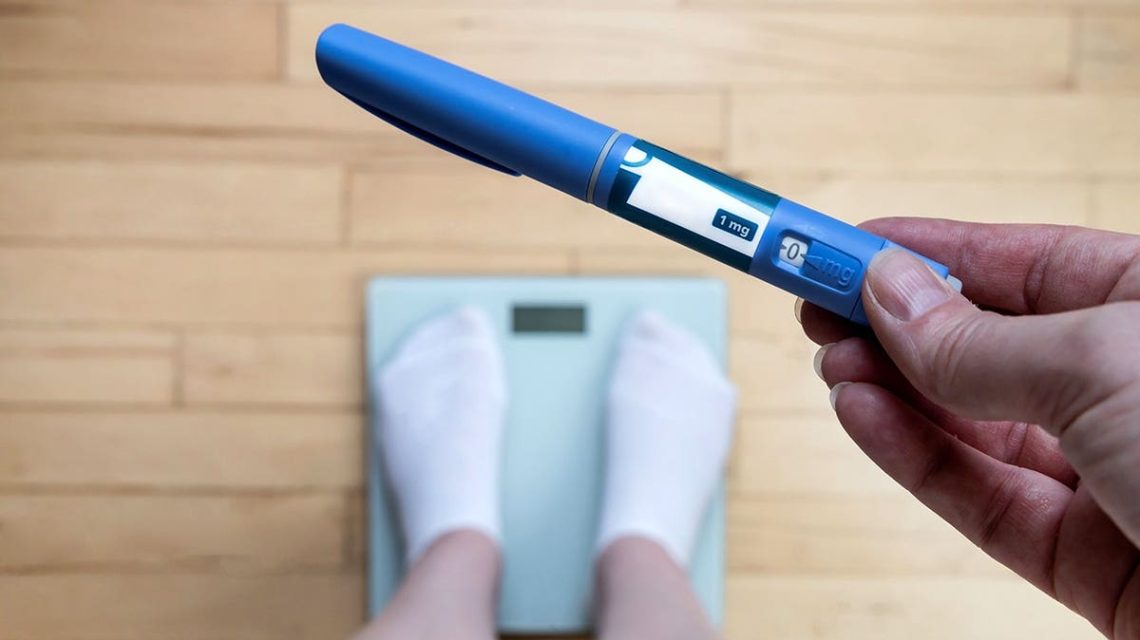
A recent study indicates that weight loss connected to GLP-1 medications may positively affect some women’s relationships and job situations. Rebecca Diamond, an economics professor at Harvard University, conducted research that found a link between these medications and changes in women’s social and economic standings.
Diamond utilized data from the Understanding America Study from the University of Southern California. She compared women who began using GLP-1s for weight loss to those who intended to start but had not yet commenced. The comparison included factors such as body mass, health, income, employment, relationship status, and well-being prior to treatment.
This study concentrated on women as they are more inclined to use GLP-1s than men. It deliberately excluded individuals using GLP-1 for diabetes treatment to focus purely on weight loss influences. According to the results, women who successfully reduced weight with GLP-1 medications saw shifts in their relationship and employment status.
The study revealed that marriage and cohabitation rates went up by 29% for single women within approximately 18 months. Among those initially unemployed, job prospects improved by 27% over the same period. However, women already employed did not show marked career advancement.
Diamond suggests these findings might reflect the “female obesity penalty,” highlighting how societal judgment impacts women in new relationships or job situations. This highlights societal bias rather than issues with the medication itself.
Dr. Peter Balazs, a hormone and weight-loss specialist, remarked on these outcomes. He mentioned that patients frequently report increased confidence and “visibility” post-weight loss, potentially leading to better interview performances and networking opportunities. Weight reduction might improve confidence, creating new chances in business and relationships.
Moreover, weight loss through GLP-1s brings hormonal balance, providing significant metabolic and psychological benefits. Dr. Krishna Vyas, a plastic surgeon, stated that patients often seek cosmetic enhancements after considerable GLP-1-related weight loss, which helps them re-engage with life.
However, the study did not show clear improvements in depression, loneliness, or life satisfaction, despite rising marriage and employment rates. This suggests that changes were mostly perceived by external gatekeepers, not the women themselves.
This observational study has limitations, such as not establishing cause and effect. The paper has yet to undergo peer review. Dr. Balazs noted that since it focused solely on women, it could introduce bias. It remains unclear if including men would yield similar results. The reliance on self-reported data is another limitation.
Additionally, while GLP-1 users seemed to benefit on paper, they did not report higher overall life satisfaction. This calls into question whether such external improvements genuinely enhance well-being.
 Effective Skincare Routine for Men with Particle Moisturizer
  Rising Trend: Solo Travel Gains Popularity
  Increased Funding Needed for Psychiatric Hospitals
  Prepare for Rainy Fall Weather with Discounted Rain Jackets
  Trump Administration Distributes ACA Refund Checks
  Higher Consumption of Ultra-Processed Foods Linked to Increased Health Risks