The Western United States is bracing for a heat wave this weekend, with record-breaking temperatures expected across several areas, increasing risks of wildfires. A ridge of high pressure, described as a heat dome, is trapping heat from Arizona to Montana. Fortunately, meteorologists anticipate this heat spell will be short-lived.
The National Weather Service predicts Las Vegas will experience its hottest day of the year, reaching 115 degrees Fahrenheit (46 degrees Celsius). Phoenix may hit 116F (47C), while El Centro, California, could see a record 118F (48C). In Montana, Great Falls might reach 104F (40C), breaking its previous record of 101F (38C). Overnight temperatures in the upper 80s to low 90s are expected, offering no relief for residents.
Authorities urge people to stay indoors and hydrated. Las Vegas’s August record is 116F (47C), while the all-time high was 120F (49C) in July 2024, according to meteorologist Morgan Stessman.
In eastern Montana, an extreme heat warning is in effect, with expectations that Helena may meet or exceed its 102F (39C) record. Meteorologist Jeff Kitsmiller notes that despite intense heat, it is not as severe as the mid-July wave when temperatures peaked at 111F (44C) in Billings. By Sunday, temperatures in many parts of the state will drop into the 70s.
The heat wave exacerbates wildfire risks, particularly in places already dry or burning. Montana anticipates high winds along with severe heat, prompting a red flag warning. In Nevada, the heat dome has decreased moisture levels, dropping relative humidity to single digits.
The U.S. Forest Service alerts of heightened wildfire danger through Sunday across most of Southern California, excluding coastal areas. Climate change is intensifying and prolonging heat waves, which, combined with severe droughts, contribute to severe wildfires.
El Nino is also influencing this year’s weather, introducing warming patterns that elevate global temperatures. This El Nino is expected to be one of the most intense since record-keeping began in 1950, with early-stage records already broken.
This article’s climate and environmental coverage is supported by various private foundations, though the Associated Press maintains full editorial control over its content. More details on AP’s standards and funding can be found at AP.org.
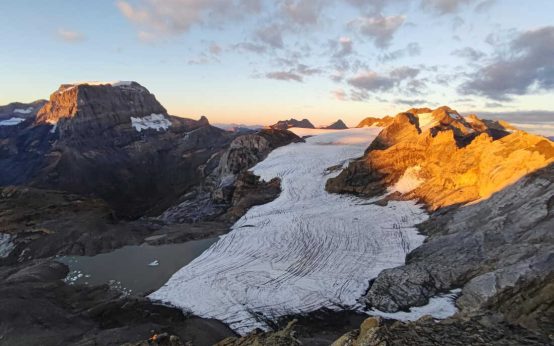 Swiss Glaciers Show Effects of Ice Loss Amid Global Warming
  Climate-Resistant Rock Glaciers: Hidden Water Resources
 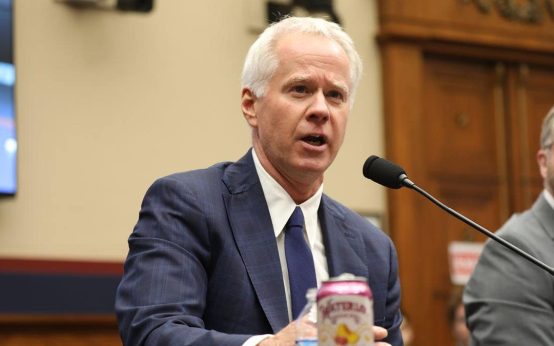 Patrick McEnroe Advocates for Collegiate Athletic Reform
  Push for Reparations Faces Challenges and Calls for Strict Eligibility
  Texas Man Arrested for Threatening State Capitol Attack
  The Key Debate Between Xavier Becerra and Steve Hilton: What You Need to Know