
Residents in eastern Washington state returned to neighborhoods devastated by wildfires that erupted over the weekend. In many cases, homes were leveled, leaving only chimneys standing amid charred debris.
The fires impacted areas in and around Spokane, Washington’s second-largest city, marking them as some of the most destructive in the state’s history. Approximately 700 buildings were destroyed with an expectation of this number increasing. Around 67,000 people received evacuation orders, and investigations into the cause are ongoing.
The entire congressional delegation of the state requested an expedited emergency declaration from President Trump, highlighting the significant impact on residents. “Hundreds of people have completely lost their homes and farms,” they wrote, emphasizing the continuing dangers as smoldering embers remain.
The fires spread quickly, jumping roads and rivers. By Monday, they had burned through approximately 12.5 square miles. Calmer winds arrived, assisting firefighting efforts, but hot, dry weather was expected to return midweek.
In Spokane neighborhoods, damages varied greatly. Blackened vehicles and melted bins sat across streets from untouched lawns and houses. Residents used hoses and sprinklers to protect their homes. Miriam and Daniel Sim, both 76, returned to find their home, where they had lived since 2005, destroyed. Miriam described the area as a “war zone,” doubting whether they wanted to rebuild.
No deaths or significant injuries were reported. Initial reports of nearly 300 missing people were reduced to 14 as most evacuees contacted authorities. Cpl. Mark Gregory of the Spokane County Sheriff’s Office indicated that the remaining reports likely concerned people not yet in contact rather than in danger.
Fires remain uncontained in the area, as stated by Courtney James of the Washington State Department of Natural Resources. They are among many fires across the Western U.S., stretching resources. In Washington alone, 390 square miles have burned, worsened by drought and low snowpack conditions.
Authorities warned against flying drones near burned areas to avoid delaying aerial firefighting efforts. Among those affected were Angela and Wayde Deatherage, who evacuated with their son, taking a few family possessions. Wayde returned later to find their house destroyed and took steps to protect a neighbor’s home, saving it from the flames.
Friends and family of victims posted online for assistance, with many evacuees requiring basic necessities. Local officials reported that some evacuees included patients from the U.S. Veterans Affairs hospital in Spokane.
Beyond Washington, fires posed threats in Idaho, Oregon, and Utah. In Idaho and Oregon, over 530 square miles of grassland burned, endangering ranches and structures. A fire in Utah expanded to nearly 109 square miles. Isolated incidents saw cattle losses and forced evacuations, including inmate transfers from a county jail in Millard County.
Local response efforts included establishing a shelter at Spokane’s main convention center, accommodating 400 displaced individuals. Spokane Public Schools provided emergency childcare, and county court trials were rescheduled to prioritize safety.
These events stressed state and local agencies tasked with managing such widespread destruction.
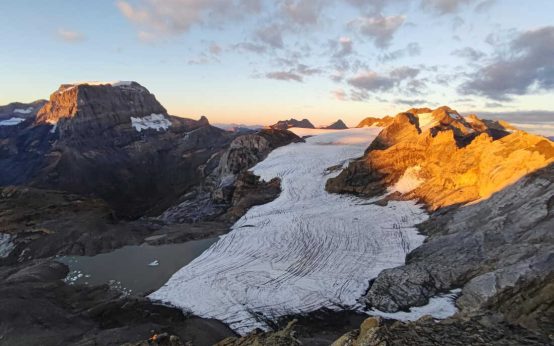 Swiss Glaciers Show Effects of Ice Loss Amid Global Warming
  Climate-Resistant Rock Glaciers: Hidden Water Resources
  TikTok Couple Arrested for Alleged Arson in West Virginia
  21-Year-Old University of Georgia Student Survives Eight-Story Fall
  Texas Authorities Arrest Suspect Over Potential Capitol Attack
  Senators Reach Bipartisan Agreement on Permitting Reform