China’s leader, Xi Jinping, appears poised for success as he visits the United States. He heads to Washington, D.C. on Wednesday, assured of favorable outcomes from President Donald Trump. This visit could reinforce his position as a central political figure in China for another term.
Xi’s arrival marks his first official state visit to the U.S. since 2015. It’s also his first encounter with Trump on American ground since their meeting in Florida in 2017. For Xi, this diplomatic engagement offers not only ceremonial prestige but also strategic benefits. He anticipates managing U.S. competition by capitalizing on what he anticipates as a western decline.
Goals and Expectations from the Visit
Beyond the formalities, Xi’s visit underscores his outlook on global power dynamics. He’s informed Chinese elites that the West is weakening, and opportunities to challenge U.S. influence, particularly over Taiwan, could increase.
Trump seeks Xi’s cooperation in dealing with Russia and Iran and is eager for economic agreements that might bolster his position ahead of elections. Despite China’s current power status, Xi wants global recognition of China as an equal to the U.S.
Diplomatic Gestures and Agreements
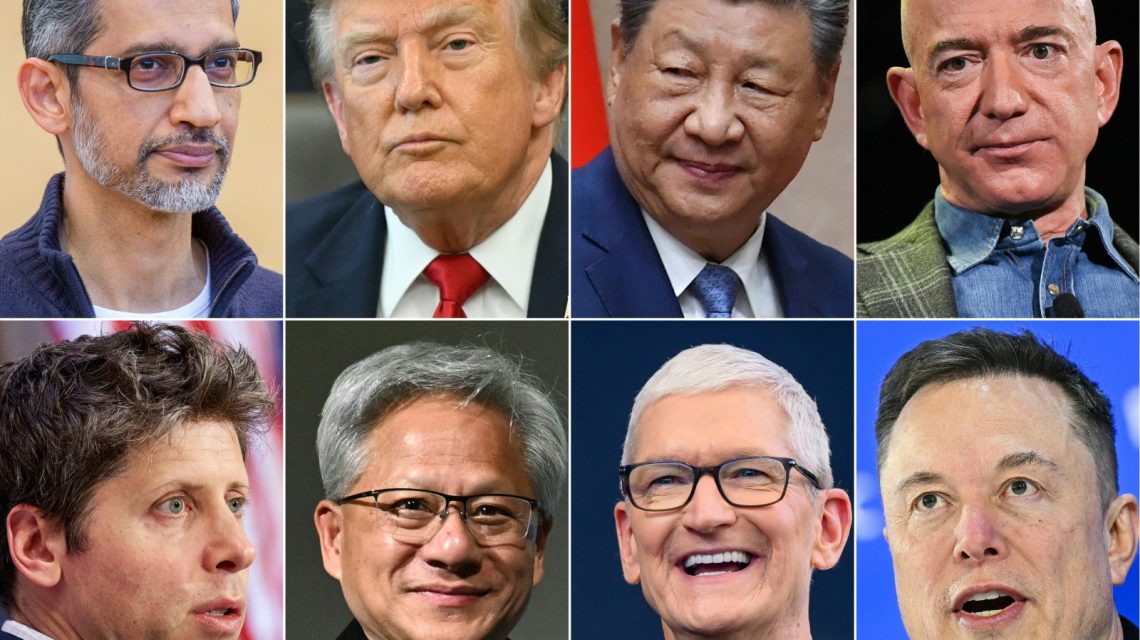
Upon arrival, Xi is met with unprecedented gestures by Trump, including a personal welcome and military honors. An evening state dinner with U.S. tech leaders further underscores the attention given to Xi, reflecting America’s acknowledgment of China’s market and political importance.
Such an honor boosts Xi’s image domestically and internationally, potentially paving the way for his extended leadership. His administration has likely secured protocols to prevent diplomatic missteps during the visit.
Strategic Maneuvers and Military Developments
China sees the current international order shifting in its favor, requiring only a strategic stalemate with the U.S. to draw even. Its military modernization, hold on disputed regions, and control over vital industrial sectors all signify this shift. Notably, its monopoly on rare earth elements has effectively countered U.S. tariffs and sanctions.
Tactically, Xi enhances relations with countries like Russia and Iran, ensuring supplies and technology that further secure his nation’s position.
AI and Technological Discussions
Conversations around AI safety and a notification mechanism have been agreed upon as both countries hold significant influence over AI advancements. However, the U.S. and China differ on slowing AI progress despite industry concerns. For China, leveraging such mechanisms might serve as strategy in negotiations.
China’s Taiwan Strategy
Taiwan remains a focal point. Previously stalled U.S. arms sales to Taiwan are now central to diplomatic discussions. By pausing arms delivery, Trump gains concessions in negotiations, which benefits Beijing’s long-term strategy to reduce support for Taiwan’s military.
For Xi, consolidating control over Taiwan without conflict remains crucial. This ambition forms part of broader efforts to weaken U.S. policy commitments toward Taiwan, impacting public perceptions.
Public sentiment in the U.S. shows a shift towards cooperation with China, aligning with Trump’s diplomatic moves. However, Trump’s core supporters remain cautious of China’s growing power.
Outcomes of the Summit
Concrete resolutions from the summit may be limited, yet the recognition of strategic stability between the nations affirms China’s ascent in global influence. For Xi, this acknowledgment fits perfectly within his vision of China’s status as a world power.
 Trump Administration Distributes ACA Refund Checks
  Trump Administration’s Approach to Illegal Alien Deportations
  New Jersey Voter Fraud Prompts Renewed Push for SAVE Act
  Concerns Over Changes to Voter-Registration Form for Americans Abroad
  Trump’s 2024 Campaign Targets Young Men Through Cryptocurrency
  Trump’s White House Visitor Center Proposal Gains Bipartisan Support