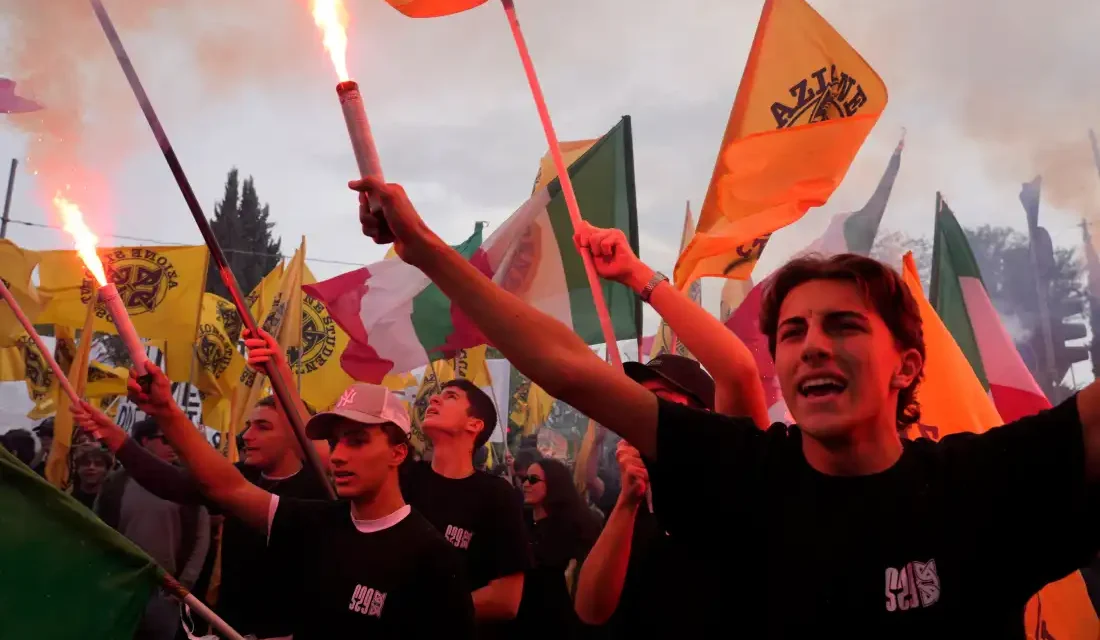
On Saturday, October 24, 2026, streets in several Italian cities like Milan, Rome, and Turin saw thousands of young protesters. These demonstrations opposed recent left-wing protests and were part of a broader wave of rallies across Europe. Authorities deployed significant numbers of police and soldiers to maintain order following violent events the previous week.
In Milan, a large crowd, chiefly young people, gathered peacefully. Despite the heavy presence of soldiers and police, minor clashes occurred in Rome and Turin. Premier Giorgia Meloni introduced measures such as adding 500 soldiers in Milan and imposing tougher penalties on minors involved in past violent protests. Police detained several minors as a precaution.
This surge in protests extended to numerous European cities, including a high-profile demonstration in France. People voiced a spectrum of issues, such as educational reforms, corruption, anti-war sentiments, pensions, and housing.
Security Measures and Demonstrations in Milan
Milan saw large crowds chanting against Premier Meloni, with some dumping manure and burning a symbolic electricity bill. The deployment included 500 new soldiers complementing the forces already present to prevent escalations. The security efforts encompassed drone monitoring and surveillance at key points like railway stations.
Pierfrancesco Majorino, a mayoral candidate, participated, highlighting the day’s peace. Despite initial closures, luxury boutiques in Milan began reopening in the afternoon. Authorities enforced security beyond the city center, worried about possible shifts in protest locations. Although some stores like Apple remained closed, the protesters concluded peacefully at a location distant from the city center.
The recent protests, driven by the newly formed Oct. 17 movement, have involved a youthful demographic. Police noted that last week’s violent participants consisted largely of young second-generation Italians and foreign nationals, leading to arrests of both minors and adults.
Rome Protests and Subsequent Security Actions
Heightened security characterized Rome as well, with notable lockdowns in areas frequented by protesters. Attempts by a small group to breach the Colosseum prompted immediate action by authorities. In contrast, student protests remained peaceful, with leaders disavowing rioters’ actions, emphasizing a desire to be represented through peaceful means.
Rome also witnessed an anti-war march as participants took steps to avoid violence, despite brief clashes occurring. Organizers attempted to maintain order, resorting to batons and tear gas. Ultimately, a water cannon’s deployment led protesters to withdraw.
Additional European Demonstrations
Tirana in Albania experienced intense confrontations between protesters and police, with demonstrators setting government buildings on fire. Authorities responded with water cannons amid ongoing student demands for lower tuition and reduced corruption. The protests evolved into broader anti-government movements pushing for resignations.
In Spain, retirees marched in Madrid, advocating against public pension changes amid a political backdrop of upcoming elections. Public housing affordability spurred protests that mirrored concerns in both Madrid and Lisbon.
In Portugal, government rent policies faced criticism, prompting demonstrations. Prime Minister Montenegro defended the measures aimed at rental market stability. However, protesters argued that these policies risked tenant vulnerability.
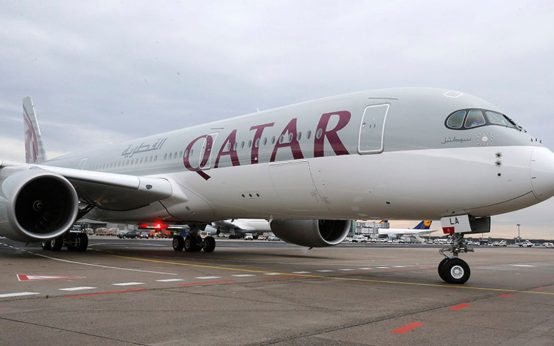 In-Flight Altercation on Qatar Airways Leads to Police and FBI Response
 Virginia Residents Sue Over Alleged Immigration Violations
 Updates on Key International and Domestic Events
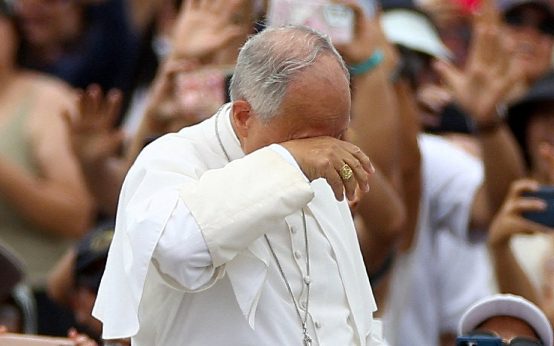 Pope Leo XIV Completes South American Tour with Farewell Mass in Peru
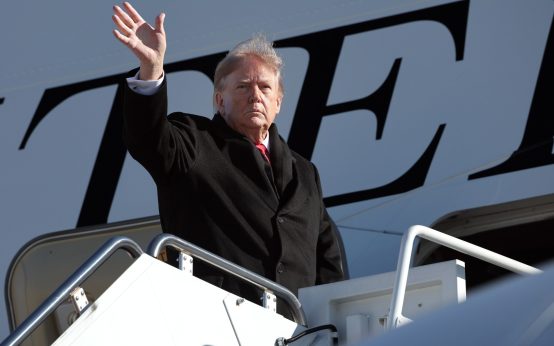 President Trump’s Critical Asia Trip: Key Meetings and Implications
 U.S. Plans to Restrict AI Chip Exports Before Trump-Xi Meeting