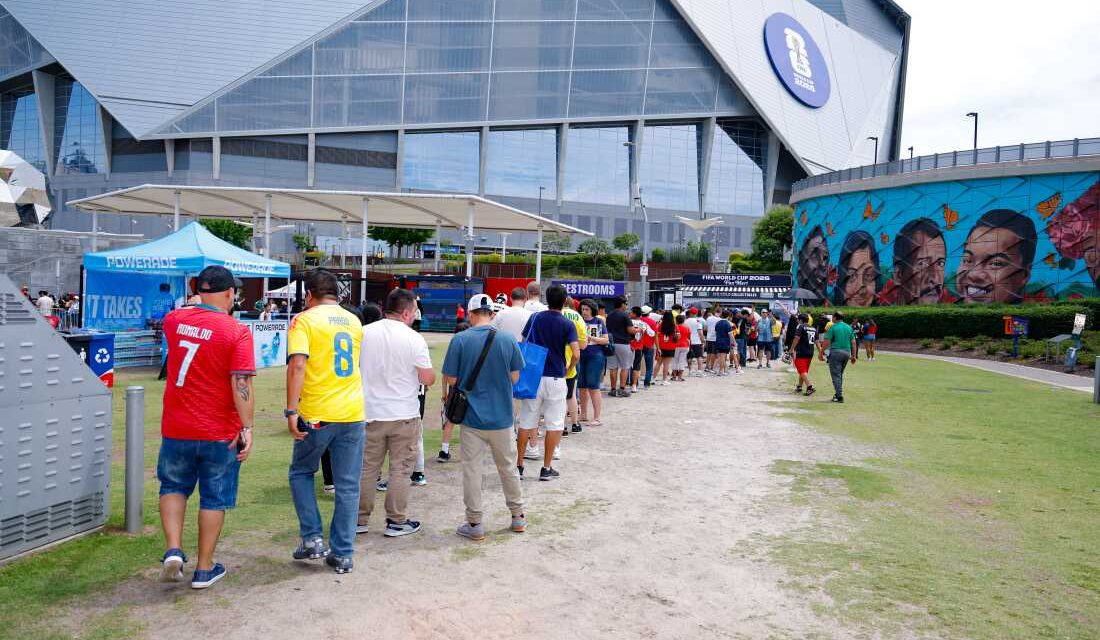
Millions are set to fill stadiums in the U.S., Canada, and Mexico for the World Cup starting on June 11. Public health officials are gearing up to ensure safety during the 104 matches across 16 cities. Preparations come amid reduced federal health presence and funding, posing challenges for host city health departments.
Preparedness in Host Cities
Dr. Marcus Plescia, health director for Fulton County, Georgia, noted, “We’ve been focusing on expecting the expected,” addressing issues related to weather, health, and human behavior. Cities like Atlanta and Dallas anticipate challenges due to summer heat and large crowds.
Atlanta, hosting eight matches and a team from Uzbekistan, faces potential heat-related injuries. The fan festival at Centennial Olympic Park will see about 15,000 daily attendees. Cooling stations will offer air-conditioning and hydration to alleviate heat concerns.
Health and Environmental Measures
Food safety is a top priority, with environmental health workers inspecting numerous food vendors daily. Dr. Plescia emphasized the importance of ensuring safe dining experiences. “We want to make sure that people feel confident that they can go out to eat and have a good time,” he stated.
Concerns about disease transmission are also prevalent. Health departments anticipate issues with sexually transmitted infections and diseases like measles. In Dallas, officials will enhance disease surveillance, including genomic sequencing for various threats.
They will also increase mosquito surveillance to monitor for pathogens like West Nile, dengue, chikungunya, and Zika due to international travel influences. Preparations include public health tips in multiple languages.
Federal Support and Local Efforts
The World Cup coincides with a reduced federal presence. The CDC has traditionally taken a prominent role in international events but now plays a muted part; many of its positions remain vacant under current administrative shifts.
Dr. Debra Houry noted the lack of coordination compared to past events. Georgetown University’s Health Security Operations Center is working to fill this gap by tracking infectious diseases and issuing daily reports. The Department of Health and Human Services assures ongoing coordination with partners to ensure public health and safety.
Managing Resources
Local health departments face resource constraints yet are committed to the task. Barbara Ferrer from L.A. highlights their readiness by referring to the management of events like the 2022 Super Bowl. They prepare to handle increased workloads, often at the expense of routine tasks.
Despite these challenges, city health officials remain committed to ensuring safe and successful events. The upcoming World Cup offers these cities a chance to refine their practices for other large future events, such as the 2027 Super Bowl and the 2028 Summer Olympics, affirming the importance of investing in public health.
 Cargo Plane Crash at Miami International Airport
  Nick Saban’s Comments on ESPN Spark Debate Over College Sports Regulations
  Marine Veteran Suing Oregon School District Over Curriculum Reimbursement
  Freddy’s American Adventure: From Soccer to College Football
  Tennessee Execution Halted as Issues Persist with Lethal Injection Protocol
  Brock Purdy’s Impressive Start in the 2026 NFL Season