
Pope Leo’s recent manifesto on artificial intelligence prompted varied reactions. Among the notable responses was the disappointment expressed by A.I. skeptics who feel the pope’s message fell short.
In a piece for Compact magazine, Princeton’s Greg Conti questioned whether we must embrace an era dominated by A.I. He suggests that perhaps a call for resistance would be more apt. Anton Barba-Kay writing in The Hedgehog Review compared approaching A.I. as a manageable tool to viewing cocaine as a drug to be used cautiously.
While I share some views with these critics, I believe Pope Leo’s warning lacked depth regarding the strangeness of A.I. and its challenge to human dominance. The technology inspires both messianic hopes and apocalyptic fears.
However, a papal call for a robust resistance to A.I. might not fit the context of 2026. The call seems both too late and too early. It’s too late because A.I. has already deeply integrated into society, creating wealth and infrastructure too entrenched for complete withdrawal. On the other hand, it’s too early because societies typically respond to technology only after encountering undeniable harms. Historical examples show that regulations generally follow manifest abuses, as seen with industrialization and reactions to nuclear threats post-Hiroshima.
Ideally, societies would anticipate challenges before they materialize. Yet, in reality, evidence of harm often precedes action. For both humanist skeptics and those fearful of worst-case scenarios like ‘Skynet,’ the occurrence of tangible negative impacts is likely needed before meaningful change happens.
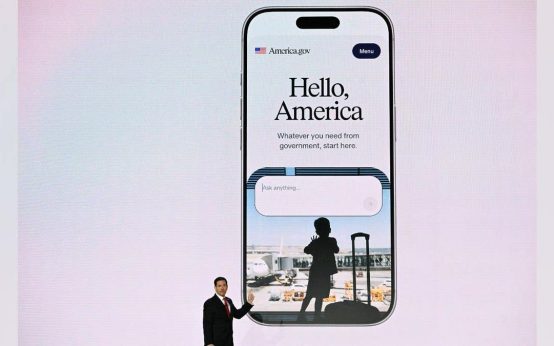 Trump Unveils AI-Powered America.gov Platform
  Trump’s 2024 Campaign Targets Young Men Through Cryptocurrency
  How Modern Windows Improve Home Insulation
  State Department Simplifies Passport Process with Online Applications
  Senate Democrats Block Data Center Bill Over Efficiency Concerns
  Future Cities: Ambitious Projects Aiming for Innovation and Sustainability