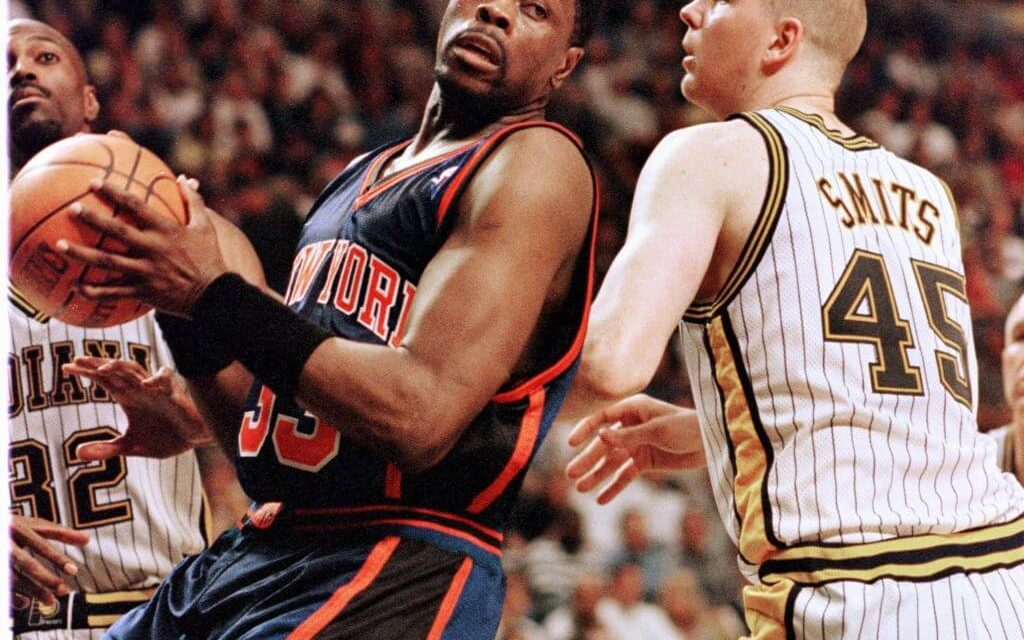
After a 27-year wait, the New York Knicks have returned to the NBA Finals. Madison Square Garden will once again host a finals game, bringing joy to fans who have endured years of struggle. The Knicks’ journey back has been marked by significant challenges and pivotal decisions.
Years of Challenge and Change
The Knicks’ path to the finals has been rocky, filled with many ups and downs. A series of missteps and changes defined this period, starting with trading iconic players like Patrick Ewing. Ewing’s trade in September 2000 marked the deconstruction of the ’90s Knicks, ending an era without a championship.
Infamous Trades and Transactions
The decision to trade for Antonio McDyess in 2002 exemplified the misjudged trades that plagued the team. McDyess, despite his potential, was injured and contributed little to the Knicks’ performance. The acquisition cost the team key players and draft picks.
The Larry Brown era showcased management’s often theatrical decisions. Brown’s tenure lasted just one season, ending in turmoil and a hefty financial payout.
The Carmelo Anthony trade in 2011 brought star power but lacked the supporting cast to capitalize on his addition. Despite this, Anthony remains a cherished figure in Knicks history.
Short-lived Enthusiasm: Linsanity
One of the most memorable short-lived moments came in February 2012. Jeremy Lin’s unexpected rise captured fans’ hearts and brought temporary hope. Though brief, his impact was profound.
Near Misses and Lessons Learned
The Knicks narrowly missed acquiring Kyle Lowry in 2013. At the time, Lowry was a rising star with the Toronto Raptors. Turning the trade down proved to be a significant lost opportunity.
The Phil Jackson Era
Phil Jackson’s appointment as team president in 2014 was initially met with excitement. However, his tenure was marked by public conflicts and poor decisions, such as failing to recruit key talent and missing out on promising draft picks.
Strategic Moves
The Kristaps Porziņģis trade in 2019 invited controversy but ultimately benefitted the Knicks. Trading him away, despite fan backlash, proved prudent, allowing for cap space that contributed to later acquisitions like Julius Randle and Karl-Anthony Towns.
Leon Rose’s hiring in 2020 marked a seminal moment in the Knicks’ resurgence. His management brought about strategic planning and significant personnel changes, setting the team on a path to success.
Essential Acquisitions
The selection of Immanuel Quickley in the draft was a key under-the-radar move. Quickley became a critical part of the Knicks’ lineup and played a notable role in their overachieving performances.
In the 2020-21 season, trading for Derrick Rose provided the team with a familiar presence that helped propel them to the playoffs. Rose’s understanding of the team dynamic was invaluable.
Impactful Signings
Jalen Brunson’s acquisition in 2022 marked a turning point for the Knicks. Initially questioned for the contract terms, Brunson has since proved foundational to New York’s aspirations.
The arrival of Josh Hart in 2023 further solidified the team ethos, contributing key defensive energy essential for their aggressive playing style.
Big Moves and Risks
Trading for OG Anunoby and Mikal Bridges were bold decisions that involved giving up valued assets but provided the Knicks with crucial defensive prowess and offensive potential.
Karl-Anthony Towns’ trade impacted the Knicks’ dynamics, providing a strong offensive presence without compromising defense. This move added depth and heightened ambitions.
Coaching Evolution
The Knicks’ eventual firing of Tom Thibodeau was a challenging decision but led to hiring Mike Brown. Brown’s leadership style enabled the team to flourish, meeting expectations and guiding the Knicks to the finals.
 Lockport Stars Shine in Volleyball Success
  Penn State vs. Northwestern: College Football Preview
  Las Vegas Aces Advance After Game 3 Victory Over Indiana Fever
  Nick Saban’s Comments on ESPN Spark Debate Over College Sports Regulations
  Freddy’s American Adventure: From Soccer to College Football
  Brock Purdy’s Impressive Start in the 2026 NFL Season