An unfortunate incident involving a U.S. Army Apache attack helicopter has occurred near the strategic Strait of Hormuz. President Donald Trump reported that the two crew members involved in the crash were uninjured. This event adds to the already tense situation, with the region remaining squeezed by Iran’s influence.
Details surrounding the cause of the crash are still emerging. The incident adds stress to an already delicate situation, following an exchange of fire between Iran and Israel the day before. Iranian state media has acknowledged the crash, though specific details remain scant.
The ongoing conflict, which began when the United States and Israel launched strikes on Iran on February 28, continues to affect the global economy. Escalating energy prices have increased the cost of living, including basic necessities. Attempts to solidify the ceasefire from April into a binding peace agreement have yet to succeed.
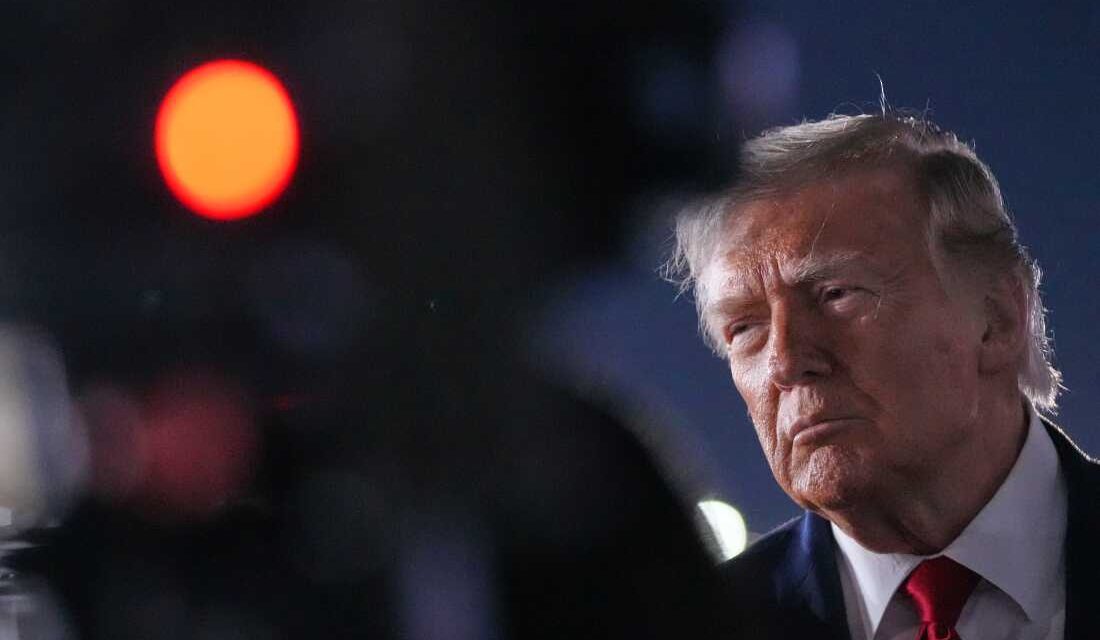
Speaking at John F. Kennedy International Airport in New York after attending the NBA Finals, President Trump confirmed the incident. “The pilots are fine. Nobody injured. We are going to issue a report tomorrow,” he stated. The New York Times was the first to break the news of the crash.
The U.S. military, specifically Central Command and the Defense Department, has yet to address inquiries from The Associated Press regarding the crash. Apache helicopters are crucial for the blockade of Iranian oil shipments, aiming to compel Iran to negotiate a resolution. These helicopters have also been employed by the United Arab Emirates to combat Iranian drones throughout the conflict.
President Trump conveyed optimism about the negotiations with Iran. He suggested the potential for an agreement within a few days, though he did not elaborate on the basis for this renewed hope. “We’re very close to having a very strong agreement,” Trump asserted. The President reiterated the potential consequences of further military action, emphasizing the cost of human life and the impact on the Strait of Hormuz.
Efforts by mediators, predominantly led by Pakistan, aim to bring about a resolution. Despite these efforts, both the U.S. and Iran hold firm positions. The U.S. calls for Iran to give up highly enriched uranium stockpiles, while Iran demands sanction relief and the release of frozen assets even prior to a final agreement, a provision the U.S. president has rejected.
 British Police Arrest Man Suspected of Terror Plot
  Activists Push for Nationwide Ban on Child Marriage in the U.S.
  Investigation into Alleged Incident at Cornell University
  Rising Drone Threats Highlight Vulnerabilities in Moldova’s Airspace Defense
  Bolivia Faces Security Test Amid Unrest
  Incident on FlyDubai Flight Raises Security Concerns