
Omar Artan, a World Cup referee from Somalia, was barred from entering the United States after arriving in Miami. FIFA subsequently removed him from the tournament. Artan was poised to make history as the first Somali referee in a World Cup. He was on FIFA’s final list for the event announced two months prior. Artan is recognized as one of Africa’s leading referees and was named Africa’s best male referee in 2025.
U.S. Customs and Border Protection cited “vetting concerns” as the reason for denying him entry at Miami International Airport. They did not specify the concerns. The Somalia Embassy in Kenya, which processed Artan’s visa, confirmed he had obtained it the week before his arrival.
Andrew Giuliani, executive director of the White House FIFA Task Force, stated that there was a “very good reason” for denying Artan’s entry but did not provide details. Denying a FIFA-appointed official entry to a World Cup host country is an uncommon occurrence. Artan was supposed to join other referees at a training base in Miami.
Somalia is among nearly 40 nations affected by travel restrictions under the Trump administration. This fueled fears that fans, players, and officials from these primarily African countries might face entry issues despite having valid visas.
I think they have a problem with my country,Artan said, adding he had the required documents and visa.
At Miami airport, Artan was held for 11 hours. Border officials questioned him about his reasons for visiting the U.S., Somali politics, and the insurgency led by the al-Shabab militant group. Despite showing FIFA documentation and career photos, Artan was placed in a holding cell and later returned to Istanbul.
The Somali Youth and Sports Ministry noted efforts by their U.S. embassy to resolve the issue, aiming for Artan’s participation in the World Cup. Isse Aden Abshir, a senior adviser at the ministry, suggested that broader travel restrictions on Somalia might explain the denial.
Customs and Border Protection remarked that Artan underwent “additional inspection” upon his arrival, calling it a standard process when officers need further information. They reiterated that all entrants to the U.S., including World Cup participants, are subject to thorough inspection and vetting.
FIFA clarified that immigration processes are beyond its influence. They accepted that Artan’s status would not change, preventing his training and officiating roles at the event. FIFA emphasized that host governments decide visa and admission issues.
Despite the setback, Artan expressed a positive outlook. He remained focused on future opportunities in his refereeing career. Artan recently officiated the African Champions League final and expressed pride in being selected for the World Cup. He endured challenges in Somalia, altering his training routes due to street explosions in Mogadishu.
Artan’s experience highlights ongoing hurdles faced by individuals trying to fulfill professional goals amid geopolitical tensions.
 Search Continues for Missing Michigan Woman Lynette Hooker
 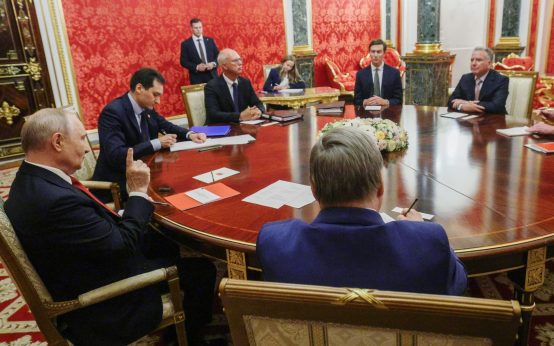 Russia Navigates Pressure and Diplomacy Amid Ongoing Conflict in Ukraine
  Tensions Rise Between U.S. Ambassador and South African President
  Dan Fouts Reflects on Violent Football Incident
  Dodgers Begin NLDS Against Braves: Key Details and Roster Decisions
  The Threat of Melting Glaciers: A Call to Action