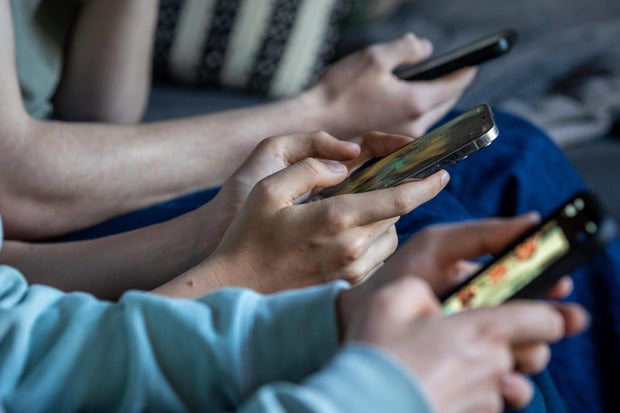
On August 14, 2026, France’s top constitutional authority struck down a proposed ban on social media access for children under the age of 15. This decision represented a significant setback for legislation supported by President Emmanuel Macron. The Constitutional Council concluded that Article 1 of the legislation “constitutes an infringement that is neither appropriate, necessary, nor proportionate” concerning the freedom of expression and communication for individuals under 15.
In its decision, the Constitutional Council also expressed concerns regarding the potential privacy implications of enforcing an age-verification system for all users. Originally, the law aimed to go into effect on September 1, intending to prevent younger users from accessing platforms like TikTok, Snapchat, and Instagram, among others.
The French government had advocated for the ban to safeguard young people from adverse effects linked to social media platforms, which include anxiety, depression, sleep disturbances, and online harassment. President Macron had previously acknowledged lawmakers for their support and promised to implement the law by September.
Following the court’s decision, the Elysee Palace stated that President Macron directed Prime Minister Sebastien Lecornu to develop a new, “legally robust draft” of the legislation. The Prime Minister is required to swiftly create a draft that adheres to both the Constitutional Council’s ruling and the European regulatory framework.
“Macron’s determination to see the reform implemented remains undiminished,” declared the presidency.
Macron has prioritized online child safety as a pivotal issue during the final years of his presidency, and the new ban may become one of his concluding major domestic reforms. Having served nearly a decade in office, Macron is ineligible to run in the upcoming national election in April due to France’s two consecutive term limit for presidents.
Following the ruling, Macron’s previous prime minister, Gabriel Attal, who supported the proposal, voiced his disappointment. He acknowledged and respected the decision, which he stated applies to everyone, while also pledging to persist in combating what he referred to as “a deadly poison for our children.”
The Constitutional Council did not address a separate provision that bans mobile phone use in high schools starting September 1. Students are already not allowed to have phones in French elementary and middle schools.
An increasing number of countries are taking measures to limit social media access, given the mounting concerns regarding its negative effects on children.
 The Trump Team’s Challenge to the Military Leadership
  Maryland First State to Restrict Electronic Pricing in Grocery Stores
  British Police Arrest Man Suspected of Terror Plot
  Activists Push for Nationwide Ban on Child Marriage in the U.S.
  Democratic Hopes and Historical Warnings in 2026 Senate Race
  Republicans Face Challenges Amidst Cost of Living Concerns