Tuesday’s primary elections in Nevada, South Carolina, and North Dakota captured attention, but the spotlight was on Maine’s U.S. Senate race. Susan Collins, a Republican incumbent, and Democratic challenger Graham Platner faced minimal competition for their respective nominations. Despite a smooth path to the primary win, Platner’s campaign demanded a strategic shift as he fought to regain credibility amid controversy.
Platner’s Fight to Shift Focus
Graham Platner’s victory in Maine’s Democratic primary sets the stage for a showdown against Susan Collins. The Maine Democrat openly acknowledged challenges, telling supporters, “people can change.” Platner promised to earn their trust and support amid personal controversies that included explicit messaging allegations and relationship behavior. During his speech, Platner’s focus was divided between addressing allegations and attacking Collins. His mother and wife offered public support, highlighting his personal battle.
Governor Janet Mills, Platner’s primary rival, suspended her campaign in April, recognizing Platner’s advantageous position. Moving forward, Platner faces the tough task of securing his party’s trust while challenging Collins, aiming for her sixth term.
Maine Debate on Democratic Standards
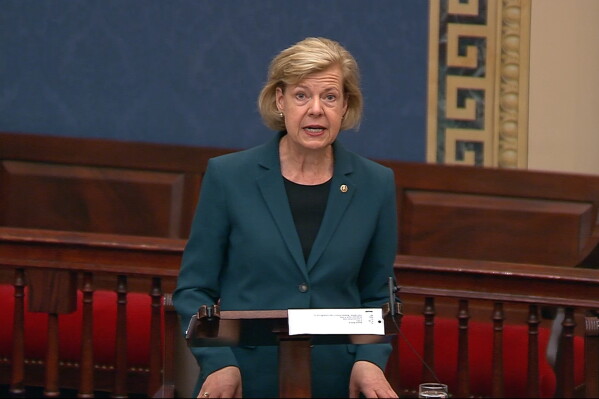
The party’s backing of Platner highlights a shift in electoral strategy. Where personal misconduct once led to withdrawal from candidacy, electability now takes precedence. Jim Messina praised Platner’s progress, while Senator Tina Smith endorsed him despite past Democratic criticisms. Sens. Bernie Sanders and Elizabeth Warren maintain support. However, some Democrats, like Senator John Fetterman and Rep. Josh Gottheimer, express discomfort with Platner’s candidacy.
This internal debate signifies a shift in standards, forcing Democratic leaders to reassess their criteria as they aim for power restoration in the Senate.
Trump’s Influence Faces Challenges
President Trump’s political influence was tested as endorsements in South Carolina and Nevada faced mixed outcomes. In South Carolina, Lt. Gov. Pamela Evette, endorsed by Trump, did not secure a majority, prompting a runoff against Alan Wilson. Meanwhile, Lindsey Graham secured his Senate nomination, avoiding a runoff and displaying steadfast support for Trump.
Clyburn Secures Primary Win Amid Redistricting Concerns
Rep. James Clyburn of South Carolina easily overcame primary opposition after Republicans attempted to alter his majority-Black district. The initiative was rejected, preserving Clyburn’s advantage in the upcoming election. Clyburn remains a key figure in political strategies as a potential anchor in future presidential races.
The Complexity of U.S. Elections
California, South Carolina, and Maine demonstrate intricate voting systems. Delays in election results are attributed to ranked-choice voting and runoff requirements in Maine and South Carolina, respectively. California prioritizes accessibility, lengthening vote tallying.
Maine’s five Democratic candidates for governor employ ranked-choice voting, expected to delay final results beyond a week. South Carolina’s runoff election between Evette and Wilson approaches on June 23.
 Debate Over Democratic Socialism Intensifies Within Democratic Party
  Latino Voters Show Less Support for Trump and GOP
  Rep. Emmer Criticizes Far-Left Democrats, Rallying Support for GOP
  Latino Men Shift Away from Trump Ahead of Midterms
  Jonathan Turley: Left Demonizes Supreme Court
  Michael Lewis Sheds Light on the Realities of Government Work in New Book