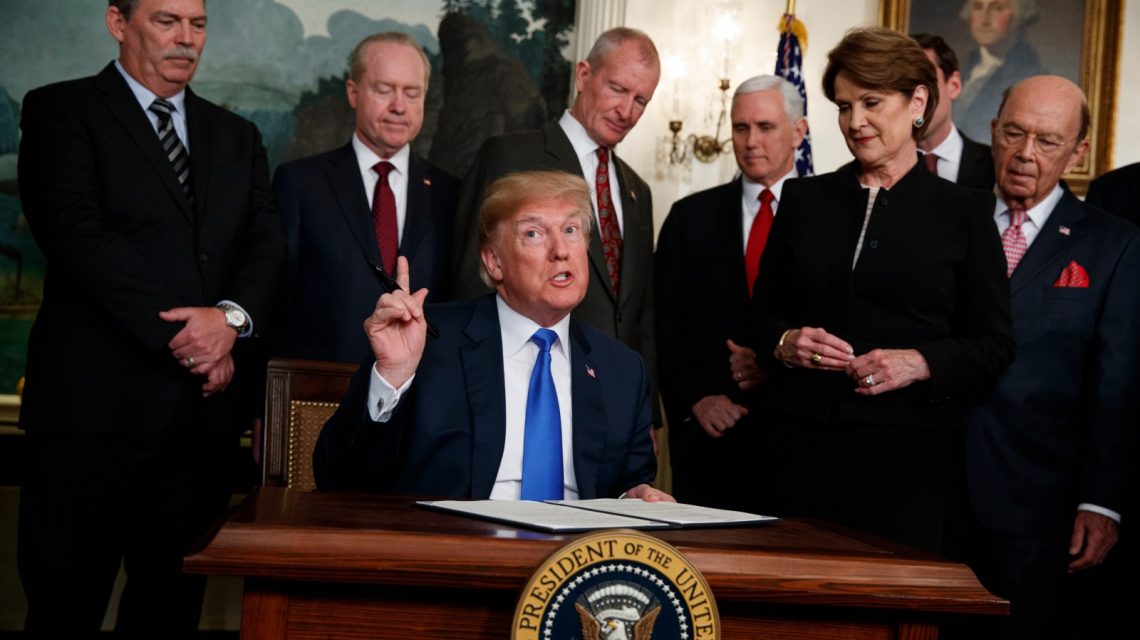
Legal Battle Over Tariff Refunds
A federal judge is assessing whether to compel the Trump administration to expedite and increase tariff refunds worth billions. This issue arises as the White House contests a broad repayment directive in court. The U.S. Court of International Trade is currently addressing the question of how much of the money from now-defunct tariffs must be returned to businesses, and who should receive these refunds.
The case could significantly impact whether companies receive tens of billions in refunds outright, or if they must individually fight for each refund in court. The potential sum at stake reaches up to $166 billion, and the outcome could influence how swiftly these funds are returned and how long the legal processes persist.
The Trump Administration’s Court Argument
The Trump administration has returned to court to contend that it should not be required to pay back all tariffs collected, even after those duties were nullified by the U.S. Supreme Court. A U.S. Customs and Border Protection (CBP) official is set to testify about plans to refund billions collected before the Supreme Court struck down critical tariffs.
The administration aims to minimize the scope of refunds, arguing that it lacks the authority to issue wide-ranging payments unless directed for particular companies. Although the process of refunding some importers has begun, officials resist a sweeping repayment order from Judge Richard Eaton of the Court of International Trade. Previously, Eaton mandated that the government issue refunds to all affected companies in March, but the administration is now arguing against reopening finalized tariff payments.
Supreme Court’s Decision on Tariffs
This legal tussle began after a significant decision from the Supreme Court on February 20, 2026. The Court invalidated many of Trump’s tariffs with a 6–3 vote, declaring that the administration exceeded its authority by enacting broad tariffs under the International Emergency Economic Powers Act—a law intended for emergency sanctions.
However, the Supreme Court did not specify what should occur with the collected money, leaving lower courts to decide the process for issuing refunds. This omission has led to the current contentious litigation.
Financial Impact and Stakeholders
The possible financial implications are vast, though the exact amount is debated. The U.S. government could potentially owe up to $166 billion in refunds to importers. Estimates suggest the liability could be as high as $175 billion, depending on the extent of refunds.
As of late May, over $85 billion in refund claims had been approved, with more than $20 billion already disbursed. Despite this progress, the administration insists that many claims require court intervention, drawing a line on future payments.
Impacted Parties
This case could affect a diverse group of stakeholders, with businesses and importers facing the most immediate consequences. Over 330,000 importers might qualify for refunds, spanning sectors like retail and manufacturing. Major corporations, including Walmart, Apple, Costco, and General Motors, have already filed claims, among others preparing legal actions.
If the government limits refunds, businesses may need to resort to individual lawsuits to reclaim losses, increasing costs and delays.
For consumers, the effects are less direct. Companies, not shoppers, paid the tariffs. Yet, consumers could notice indirect impacts, as businesses might reinvest refunds or the resulting class-action lawsuits could endeavor to pass some benefits back to consumers who faced higher prices.
The ongoing legal proceedings also pose a strain on the judicial system, with thousands of lawsuits related to refunds already pending. Experts caution that a case-by-case approach could overwhelm trade courts and prolong the litigation, creating economic uncertainty.
 Immigration Judge Allows Deportation of Wisconsin Mosque Leader Salah Sarsour
  Lindsay Clancy Faces Potential Retrial After Mistrial
  Tennessee Prepares for Rare Execution of Woman on Death Row
  Mistrial in Lindsay Clancy Case: Juror Speaks Out
  Utah Judge Orders Release of Man on Death Row After DNA Evidence Emerges
  Kurt Olsen Resigns from the Justice Department Amid Investigation