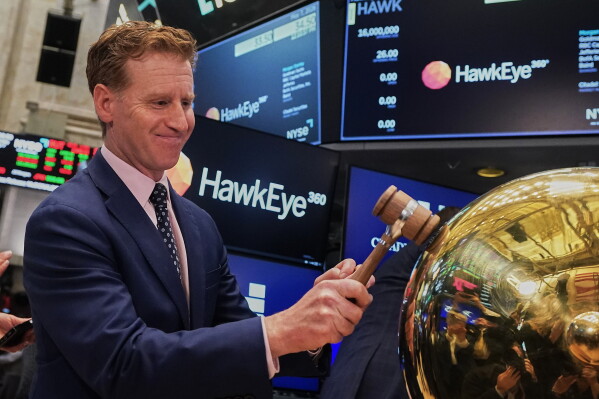
SpaceX, formally known as Space Exploration Technologies Corp., is planning to make its debut on the U.S. stock market with an emphasis on including smaller investors. Unlike most IPOs that reserve a small portion for retail investors, SpaceX intends to allocate up to 30% of its initial public offering of stock to this group. Retail investors mostly use brokerage accounts via platforms like Charles Schwab, Fidelity, Robinhood, SoFi, and E-Trade by Morgan Stanley to purchase stocks.
At Fidelity, interested investors with accounts as low as $2,000 could access the IPO, a significant reduction from the usual $100,000 or more required for other equity offerings. However, due to the anticipated high demand, not all interested investors will secure shares.
Risks of Short-Term Trading
Investors might be tempted to sell shares quickly after purchasing them, especially if initial trading causes a price spike. Brokerages have measures to discourage such activity. Selling shares too fast could prevent you from accessing future IPOs through the same brokerage.
Price Volatility Expected
SpaceX has warned that its stock price may be volatile due to interest from retail investors. These investors are known for influencing market dynamics more unpredictably compared to institutional investors. For example, retail buying significantly affected stocks like GameStop during the meme stock surge in 2021.
IPO Market Performance
Historically, IPOs have experienced a 7% increase in share price on their first trading day. However, over five years, they tend to lag behind comparable peers by about 3.6% annually, excluding the initial trading day gain. This data stems from the research of Jay Ritter from the University of Florida.
SpaceX Financials
SpaceX carries significant debt, totaling $29.1 billion as of March, and reported a loss of $4.9 billion last year. The first quarter of 2026 saw a further loss of $4.3 billion. Achieving profitability remains uncertain.
Indirect Ownership Through Index Funds
Some investors may own SpaceX indirectly through index funds. The Nasdaq 100 index may include SpaceX soon after IPO due to recent changes. This might happen unexpectedly for those holding funds like the QQQ ETF.
Shareholder Influence
SpaceX’s IPO includes 555.6 million shares of Class A stock. Each share holds one vote. Elon Musk owns many Class B shares, which offer ten votes each, giving him over 82% of the voting power. This control raises concerns about his influence over board decisions.
Concerns from Institutional Investors
Concerns arise from large investors about the governance structure. Pension funds for public workers in California and New York criticized the IPO’s provisions. They highlight the significant voting power Musk holds as problematic for shareholder accountability.
Ticker Symbol Clarification
SpaceX will trade under “SPCX,” similar to Virgin Galactic Holdings’ “SPCE.” Investors should avoid confusion when trading.
 The Historical Fear of Technological Advances and AI
  How Generative AI Affects Critical Thinking Among Professionals
  Virginia Congressional Districts Show Increasing Competitiveness
  Challenges and Dilemmas in the Age of Deepfakes
 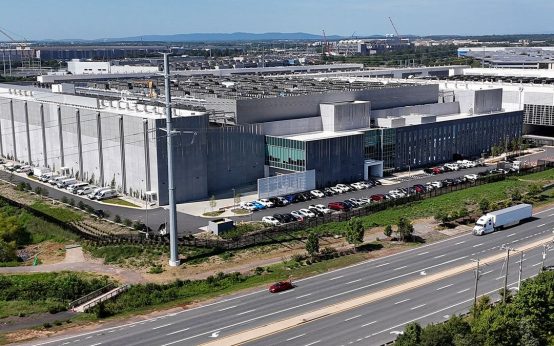 National Security Push Faces Local Resistance in Data Center Expansion
  AI Regulation Debate Intensifies Amid Tech Leaders’ Warnings