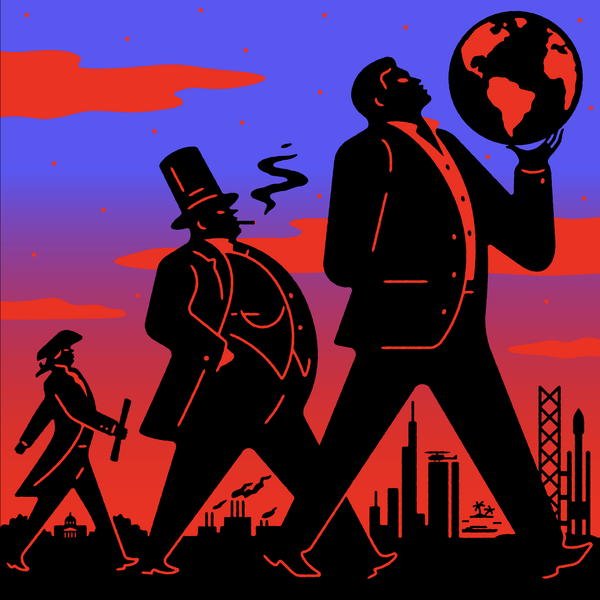
Dr. Kim Phillips-Fein, a history professor at Columbia University, observes a rising skepticism toward egalitarian ideals among influential figures in Silicon Valley.
Peter Thiel, recognized for shaping companies like PayPal and Palantir, articulated in his 2014 book, “Zero to One,” an economic perspective where a select few surpass all competitors, viewing this disparity as a universal principle.
Elon Musk, in a recent post, likened humanity to a ‘biological bootloader for digital superintelligence,’ suggesting people are mere components in wealth-generating systems.
Carlos Carvalho, president of the University of Austin, supported by tech leaders including Thiel, delivered a convocation talk titled “In Defense of Inequality,” illustrating this growing sentiment.
These endorsements of inequality might seem to signal a novel ideology in political discourse. Despite national pride in equality, the rhetoric of ‘all men are created equal’ from the Declaration of Independence has not always translated into practice.
Historically, the U.S. has harbored elements of anti-egalitarian thought, particularly in economic contexts. Carvalho’s admission of equal creation contrasts with historical narratives advocating for inequality as a natural and beneficial occurrence despite the tensions between democracy and capitalism.
 State Department Simplifies Passport Process with Online Applications
 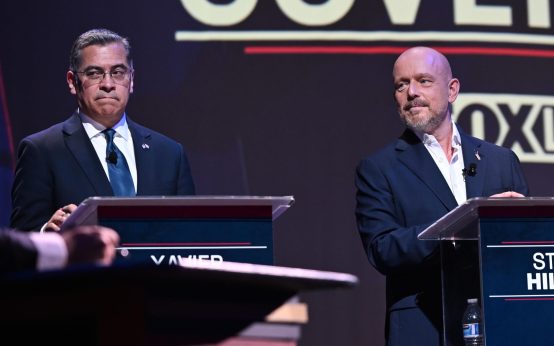 Becerra and Hilton Clash in California Gubernatorial Debate
  California Voters to Decide on $7.5 Billion State Research Fund
 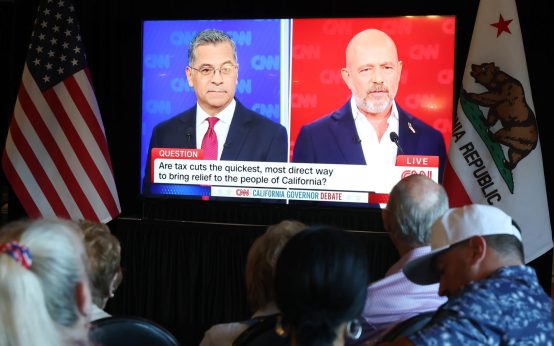 Highlights from the California Gubernatorial Debate: Becerra vs. Hilton
  Becerra vs. Hilton: The Debate and Key Issues in the California Governor Race
  Senate Confirms New Labor Secretary