Washington D.C. – Over the past year, the Trump administration shifted its immigration enforcement tactics from high-profile raids to strategies aimed at making life increasingly difficult for immigrants, encouraging voluntary departure. This change involves disqualifying immigrants from jobs and pausing visa processes indefinitely, impacting both lawfully present individuals and those undocumented.
Since the start of President Trump’s second term, executive orders and federal regulations have restricted previously available services such as work permits and business loans. These measures have led many immigrants to avoid tasks that used to be routine, fearing consequences like travel restrictions, taxation complications, and limited access to healthcare. As David Bier, director of immigration studies at the Cato Institute, pointed out, the government’s current focus is to drive immigrants to leave, irrespective of their legal status. Opposition to Trump’s immigration policies has grown, especially after incidents like the fatal shootings of two U.S. citizens by immigration agents in Minneapolis.
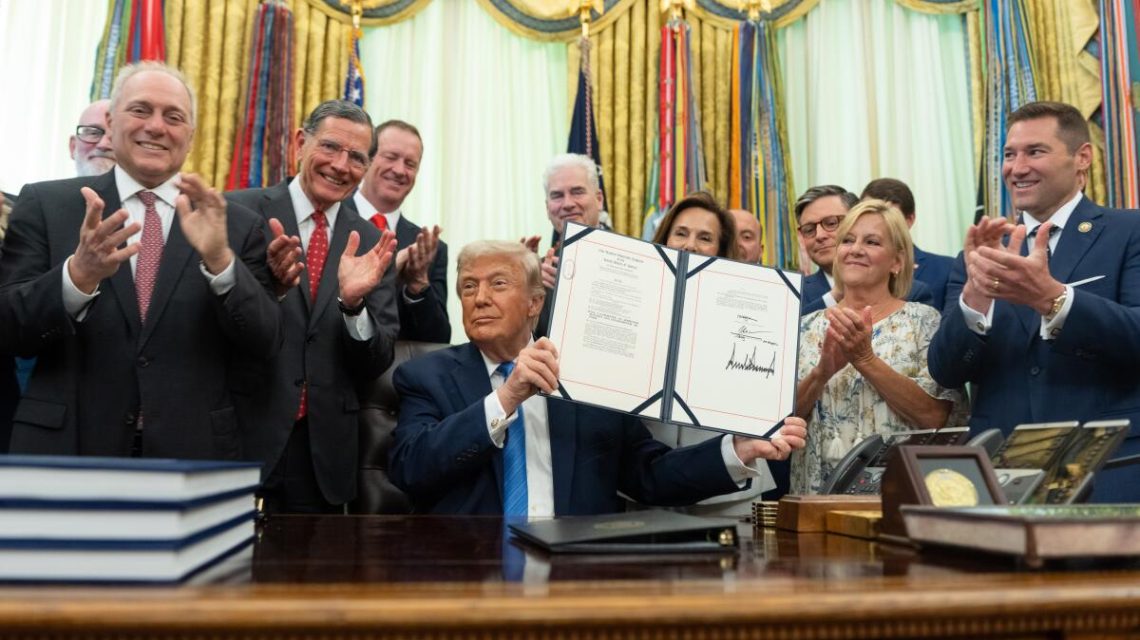
A White House spokesperson stated that Trump’s primary goal remains the deportation of criminals among the immigrant population. Homeland Security emphasized immigration’s role in enhancing financial and cultural strength in the nation. On Wednesday, President Trump signed the “Secure America Act,” which allocates $70 billion for immigration enforcement and border security. Despite a decline in ICE arrests, with daily raids dropping from an average of 1,400 in January to 1,000 by March, Trump loyalists claim the president is not fulfilling his promise, a claim the administration denies.
In response to criticism and declining arrest numbers, Homeland Security representatives and White House border policy leader Tom Homan suggested a return to strict enforcement. However, the administration continues deterring both legal and illegal immigration through various policies. Last month, the Department of Homeland Security mandated that immigrants seeking lawful residency complete their applications outside the U.S., sparking backlash that the administration defended, claiming it does not prevent qualified individuals from obtaining green cards. Heightened security screenings aim to reduce fraud, while critics argue this slows a meticulous system even further. Additionally, immigrants from 75 nations face indefinite visa bans, with an identical halt for 39 other countries’ applications.
A recent federal ruling condemned these security claims as disguises for anti-immigrant policies. Despite temporary judicial relief, many immigrants face severe consequences. Armin, a nutritional scientist from Iran, has accrued over $15,000 in debt since the policy pause began. Struggling to find employment despite holding a Ph.D. and grant funding, Armin expressed frustration over the administration’s indiscriminate approach and disregard for legal status.
Bier highlighted that half of all legal immigrants face impacts from restrictive visa policies, which significantly diminished visas for students, skilled workers, and refugees. He accused the administration of using legal immigration processes to support mass deportation agendas.
Voluntary departures have increased, with more than 90,000 cases occurring since Trump took office. This strategy allows immigrants to leave without official deportation, maintaining the possibility of legally returning later. Homan stated that encouraging self-deportation was part of the initial immigration policy.
Efforts to limit work permits have intensified, targeting asylum seekers and other immigrants eligible for deportation protections. Proposed regulations could prohibit asylum seekers from legally working in the U.S., with existing permit processes complicating employment authorization. Cruz expressed concern that these changes unfairly dismiss asylum claims. Currently, the processing delays leave eligible individuals unable to work legally, impeding their ability to sustain themselves.
Political figures, including Rep. Lou Correa and Rep. Gabe Evans, have pressured Homeland Security Secretary Markwayne Mullin to expedite backlog-clearing efforts and renew work permits, reflecting bipartisan frustration over stalled immigration procedures.
Mullin rolled back predecessor Kristi Noem’s policies regarding enforcement practices. Despite reduced arrest rates, Trump supporters remain critical of a perceived decline in mass deportation efforts, with Mike Howell stressing the importance of workplace enforcement and accusing political motivations for slowing operations.
Stephen Miller, architect of Trump’s agenda, has advocated for stringent immigration limitations. Former official Royce Bernstein Murray believes dismantling existing systems aligns with Miller’s long-term strategies, leveraging his policy expertise.
Although ICE has reverted to conventional tactics, Homan reassured audiences that mass deportations remain prioritized. Indicating plans for aggressive enforcement operations, particularly in densely populated areas like New York City, reflect the administration’s continuous commitment to heightened scrutiny and deportation initiatives.
 Maryland First State to Restrict Electronic Pricing in Grocery Stores
  Activists Push for Nationwide Ban on Child Marriage in the U.S.
  Democratic Hopes and Historical Warnings in 2026 Senate Race
  Republicans Face Challenges Amidst Cost of Living Concerns
  A Different Kind of Fall for Congress This Year
  Cornel West and Sean Hannity Discuss Differences on Podcast