
The provisional agreement to resolve the conflict in Iran and reopen the Strait of Hormuz is promising for the global economy. Despite the recent drop in oil prices, uncertainties remain regarding the timeline and process for resuming oil shipments through this crucial energy corridor. Prior to the conflict, the strait facilitated a fifth of global crude oil transport.
Hundreds of vessels remain trapped in the Persian Gulf, and oil-producing nations need time to restart operations. Analysts emphasize that ship captains may delay passages until they are confident in the safety of the route and the reduction of threats from Iran.
“Prices, inflation, and energy flows will not instantly revert to pre-war conditions,” noted an expert, suggesting delays of several weeks or months.
The agreement, expected to be signed on Friday, is still under scrutiny regarding its longevity. Even if the strait fully reopens, loading and transit to Asian customers like Japan could take 45-50 days. A volatile situation means crews, insurers, and owners are cautious.
Richard Meade, editor of Lloyd’s List, explained that maritime operators are not rushing to return. Clearing mines and reinstating recognized shipping lanes are vital for safe navigation.
Vessels have been gradually exiting through an Iranian-controlled northern channel, while others have bypassed by traveling south along Oman’s coast under U.S. guidance. Iran threatened vessels using the central lanes separating inbound and outbound traffic, impeding the movement of around 500 ships in the Gulf.
Amena Bakr from Kpler estimates a six-month mine-clearing process, with oil extraction taking additional months. Restarting production to pre-war levels could take several more months for some nations.
The definition of an “open” strait remains debated. Iran insists on fees for passage, contradicting former President Trump’s statement of “toll-free” access. Discrepancies about traffic management and tariff imposition continue.
Legal experts warn that permitting Iran to levy fees breaches international maritime law under the United Nations Convention on the Law of the Sea. Shared territorial waters between Iran and Oman necessitate peaceful transit rights.
Middle Eastern oil producers require time to resume operations. Some paused output due to storage limitations, with Saudi Arabia and UAE among those utilizing pipelines or alternative routes. Countries with complex fields, like Iraq, may take significantly longer to recover.
According to Claudio Galimberti from Rystad Energy, the mood is improving, but true supply restoration takes time. Normalizing logistics and easing risk premiums on oil prices require extended periods.
Countries will not resume production until assured of a stable strait reopening and sustainable ceasefire. Daniel Sternoff from Columbia University predicts a low probability of full-scale operations within 30-60 days.
Capital Economics suggests energy flows might reach 80% of pre-war levels around September.
Inflation challenges persist. Reopening the strait won’t immediately quell inflation, economists caution.
“Inflation will remain above target in major economies this year into the first half of next year,” predicts Neil Shearing of Capital Economics.
German Bundesbank President Joachim Nagel warns of potential inflation rise as energy relief measures expire. Germany’s temporary fuel tax cut upholding till June, won’t instantly restore oil supply to normal, he noted.
Months might lapse before oil supply resumes fully, as indicated by financial forecasts.
 Israeli Prime Minister Calls for Comprehensive Security Review of Civil Flights
 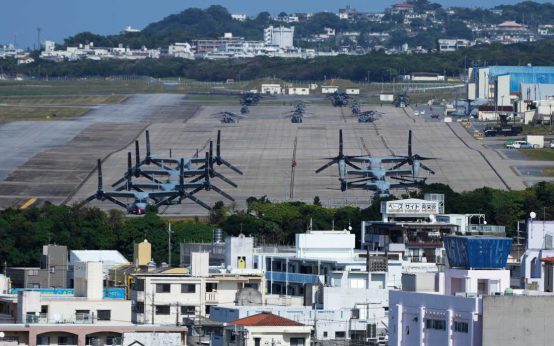 U.S. Marine Arrested in Okinawa for Alleged Murder and Robbery
 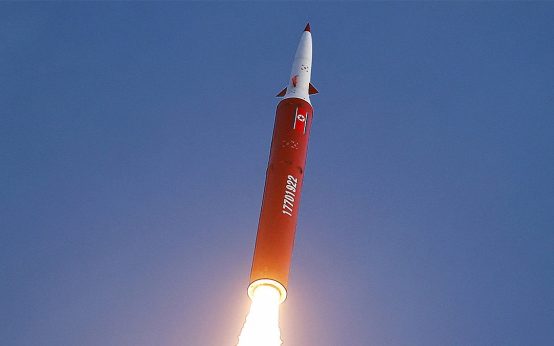 North Korea’s Missile Test and Its Implications
  Israel and Ireland Soccer Teams Display Tension in Nations League Match
  Fox News Report on FlyDubai In-Flight Incident
  Brazilians Vote in Crucial Presidential Election